Address
Building A1, Runteng Industrial Park, No. 4 Xishan Road, Longteng Community, Shiyan Subdistrict, Bao'an District, Shenzhen 518000, China
Work Hours
Monday to Saturday: 09:00 – 23:00 (UTC+8)
Sunday: closed
Address
Building A1, Runteng Industrial Park, No. 4 Xishan Road, Longteng Community, Shiyan Subdistrict, Bao'an District, Shenzhen 518000, China
Work Hours
Monday to Saturday: 09:00 – 23:00 (UTC+8)
Sunday: closed

A verification-first way to compare SMT lens feeders across Japanese, Korean, European and Chinese suppliers: what to measure and how to read a quotation fairly.
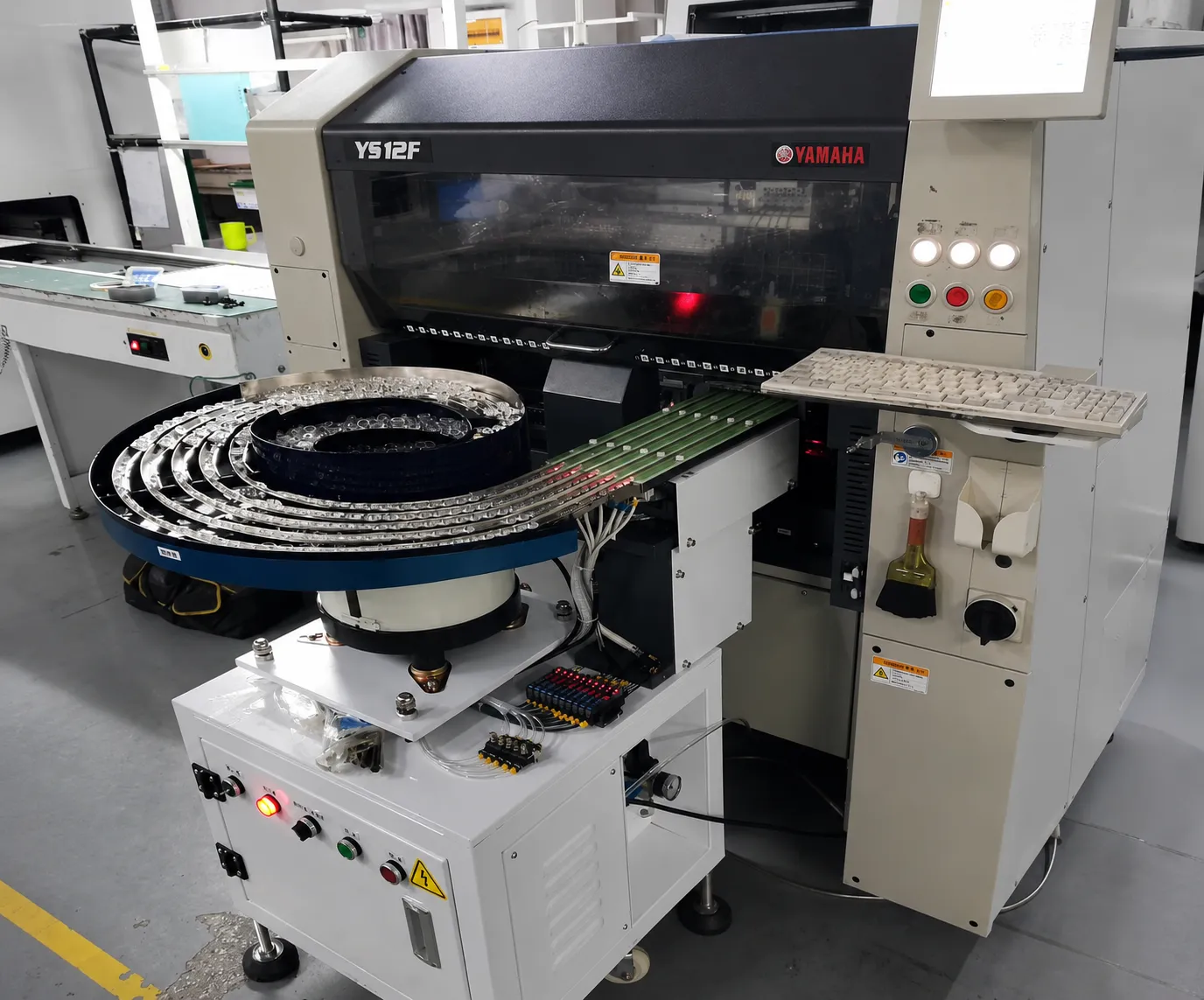
A verification-first way to compare SMT lens feeders across Japanese, Korean, European and Chinese suppliers: what to measure, how to check each claim, and how to read a quotation fairly.
Country of origin is a poor predictor of SMT feeder quality; component selection and manufacturing discipline are excellent predictors.
A Chinese feeder with Mitsubishi PLC, SMC pneumatics and Keyence sensors, on 5-axis CNC centers to ±0.02mm, matches a Japanese feeder from the same parts; the 60–80% price gap is Shenzhen economics.
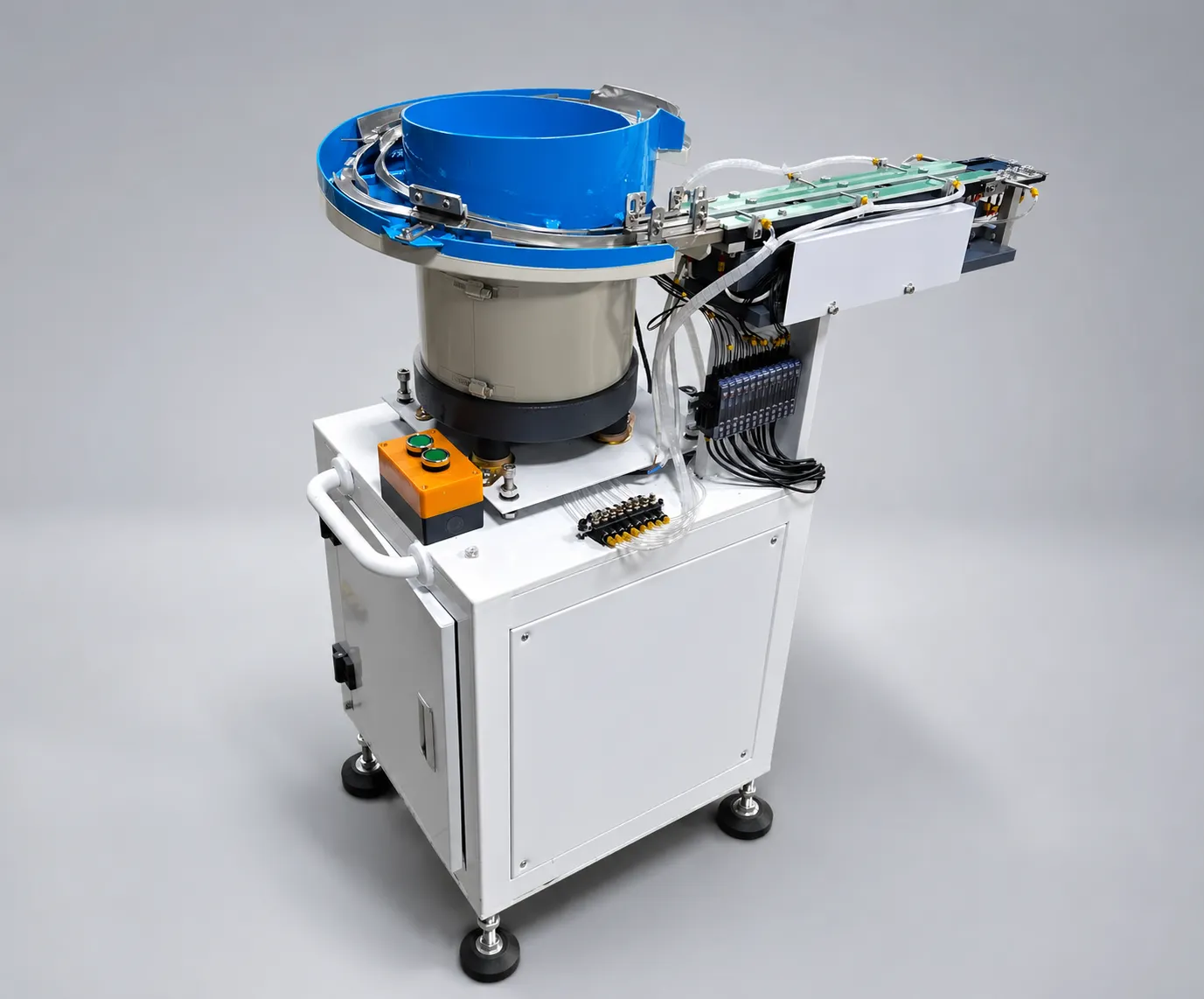
Treat every cell as a starting question, not a conclusion: a quoted feeding station with tooling, bracket, commissioning and training is not a bare feeder head.
| Dimension | Panasonic (JP) | Yamaha (JP) | JUKI (JP) | ASMPT (DE) | Hanwha (KR) | JHIMS DPS-2 (CN) |
|---|---|---|---|---|---|---|
| Positioning | Full-line, closed ecosystem | High-precision P&P | Mid-high P&P | Premium, highest precision | Mid-high P&P | Premium mid-range, specialized feeders |
| Price Range | $35K–60K+ | $28K–45K | $22K–38K | $40K–70K+ | $25K–40K | ~$8K–12K |
| Vibration Technology | Single-frequency (proprietary) | Single-frequency | Single-frequency | Single-frequency (high-precision) | Single-frequency | Patented dual-frequency |
| PLC / Control System | Panasonic proprietary | Yamaha proprietary | JUKI proprietary | ASMPT proprietary | Hanwha proprietary | Mitsubishi FX5U (open standard) |
| Multi-Channel Support | 2–4 channels | 2–3 channels | 1–2 channels | 2–4 channels | 2–3 channels | 1–10 channels (configurable) |
| P&P Brand Compatibility | Panasonic only | Yamaha only | JUKI only | ASMPT only | Hanwha/Samsung | Hanwha, Yamaha, JUKI, Samsung, Hitachi, Fuji |
| BOM Transparency | Proprietary (closed) | Proprietary (closed) | Proprietary (closed) | Proprietary (closed) | Proprietary (closed) | Full BOM disclosed |
| Warranty | 1 year | 1 year | 1 year | 1 year | 1 year | 1 year + lifetime support |
| Global Service Network | Extensive | Extensive | Moderate | Extensive | Moderate | VN, IN, MX, TR + remote |
| Customization Flexibility | Limited | Limited | Minimal | Available ($$$) | Limited | Channels, language, cleanroom, ESD, IoT |
| Pre-Purchase Sample Testing | Contact distributor | Contact distributor | Contact distributor | Contact distributor | Contact distributor | Free 48-hour test + full report |
| Best-Fit Customer Profile | Panasonic full-line shops | Yamaha P&P users | JUKI equipment users | Semiconductor / extreme precision | Samsung supply chain | Multi-brand lines, TCO-focused, customization needed |
The table above summarises publicly stated positioning, architecture and price bands, and each cell should be treated as a starting question rather than a conclusion.
Column headings matter more than the rows: a machine quoted as a complete feeding station with tooling, bracket, commissioning and training is not the same purchase as a bare feeder head, and a price band that excludes import duties and freight is not comparable with a delivered duty paid figure.
Two further cautions apply to every vendor in the table. First, specification language such as high precision or proprietary architecture cannot be compared across suppliers, because the terms are not defined the same way; convert each claim into a measurement you can ask for.
Second, product generations move: a feeder family can be revised between the date a comparison is written and the date you receive a quotation, so re-verify the configuration you are actually buying. Where a supplier cannot supply a measured figure for your lens, the honest comparison is not a comparison yet, and a paid or free sample test is the cheapest way to make it one.
JHIMS delivers Japanese-grade component quality — Mitsubishi PLC, SMC pneumatics, Keyence sensors, the same brands Panasonic and Yamaha use — at 60–80% lower purchase price, from Shenzhen manufacturing.
The DPS-2 patented dual-frequency design holds <0.5% rejection; independent PID controllers per drive keep amplitude within <5% from full bowl to near-empty, against 15–30% for single-frequency SMT feeders.
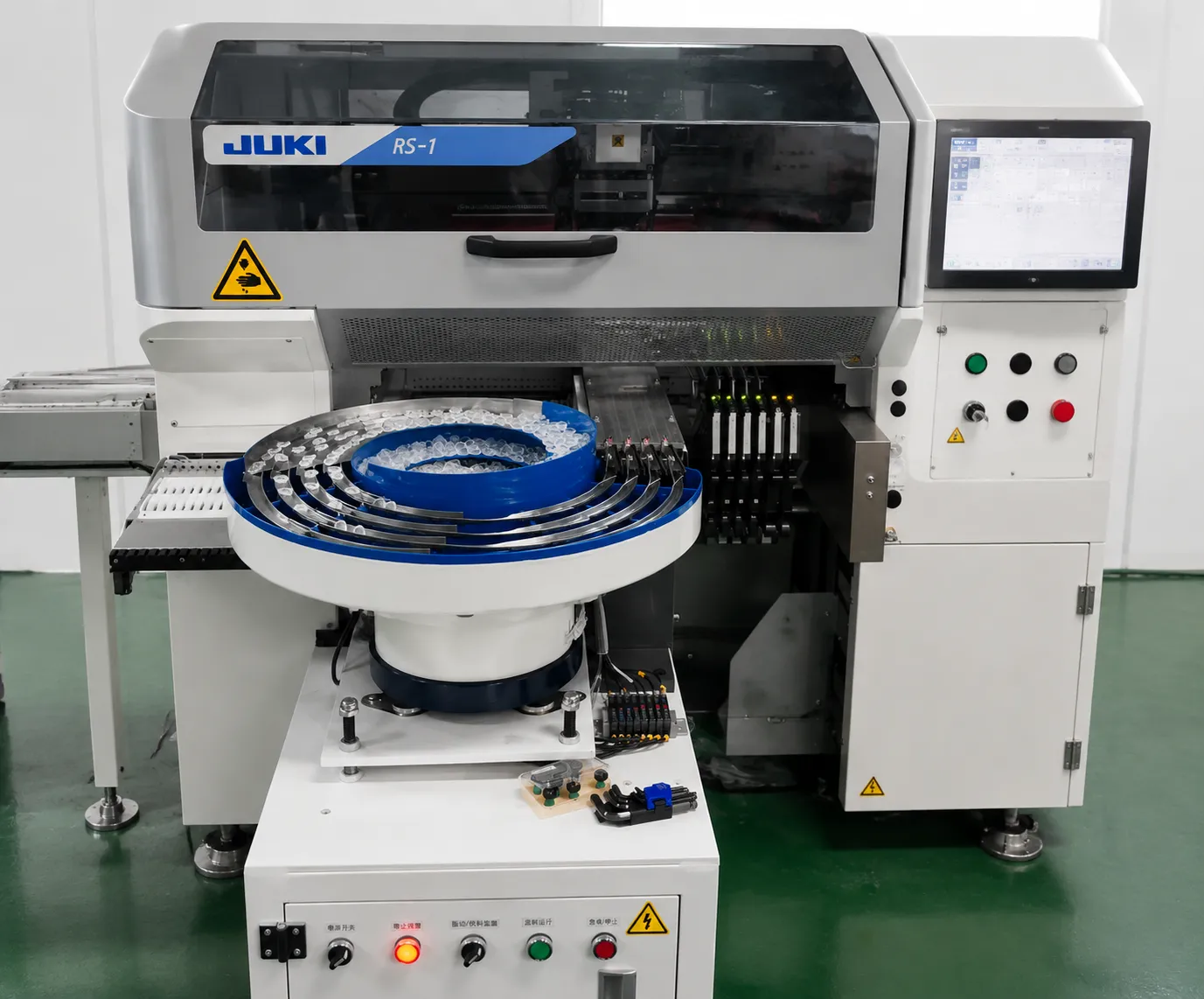
Decide before price: geometry (3 mm to 25 mm band), measured shift rate, changeover cost, year-three spare-part price. At low volume on one shift, buying nothing is legitimate. Custom builds cost more than a configured DPS-2. See the dual vs. single frequency comparison, the manual vs. automatic ROI guide and the DPS-2 FAQ.
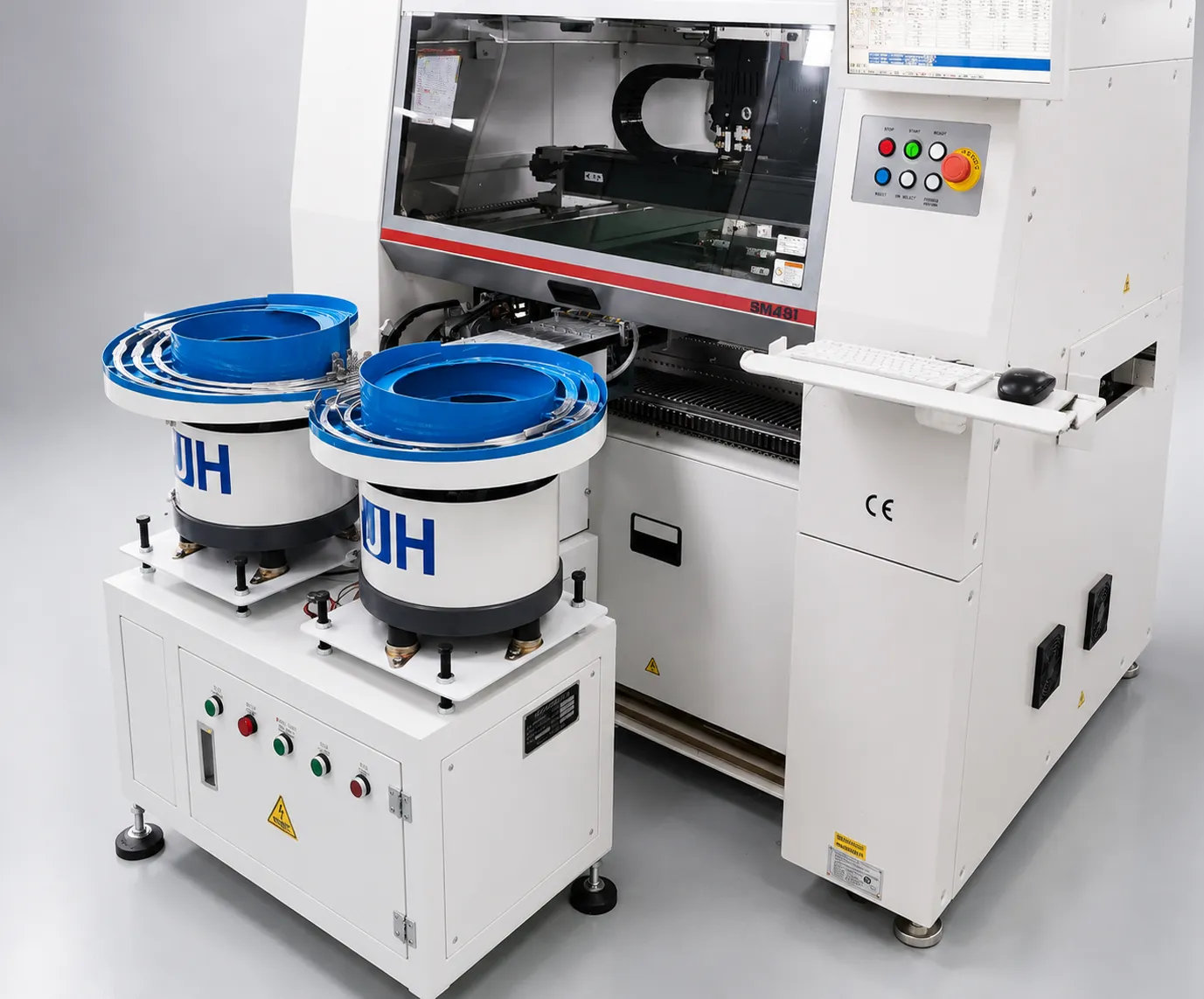
A feeder is compared on five dimensions, only one a catalogue number: presentation quality at the pick-up point, amplitude stability across a shift, changeover, post-delivery ownership and commercial scope.
Fair comparison means like with like — one quotation can cover tooling for three lens types, your head bracket, commissioning and training, while another covers a single lens type and nothing else.
| Comparison dimension | What a published specification usually states | How to verify it on your lens |
|---|---|---|
| Feed rate | Seconds per lens per channel or UPH per channel | Time a full shift on your lens with your tooling and count presented parts |
| Presentation quality | Orientation or alignment tolerance | Inspect the pick-up point over a shift and check lens seating against the nozzle stroke |
| Amplitude stability | A stability figure quoted for the drive design | Ask for time-series amplitude data from a full shift rather than a single reading |
| Rejection by cause | One rejection percentage | Request the breakdown — orientation, jams, surface damage — measured on your part |
| Changeover time | A changeover figure in minutes | Ask for the recipe count and perform one changeover yourself, in person or on video |
| Tooling ownership | Tooling included or quoted separately | Request the drawing set and the price of one additional lens type |
| Control platform | Controller and HMI model | Confirm part numbers, profile storage and whether I/O and protocols are open standards |
| Service and spares | Response and dispatch commitments | Ask for the contract wording plus a spare-parts price and availability list |
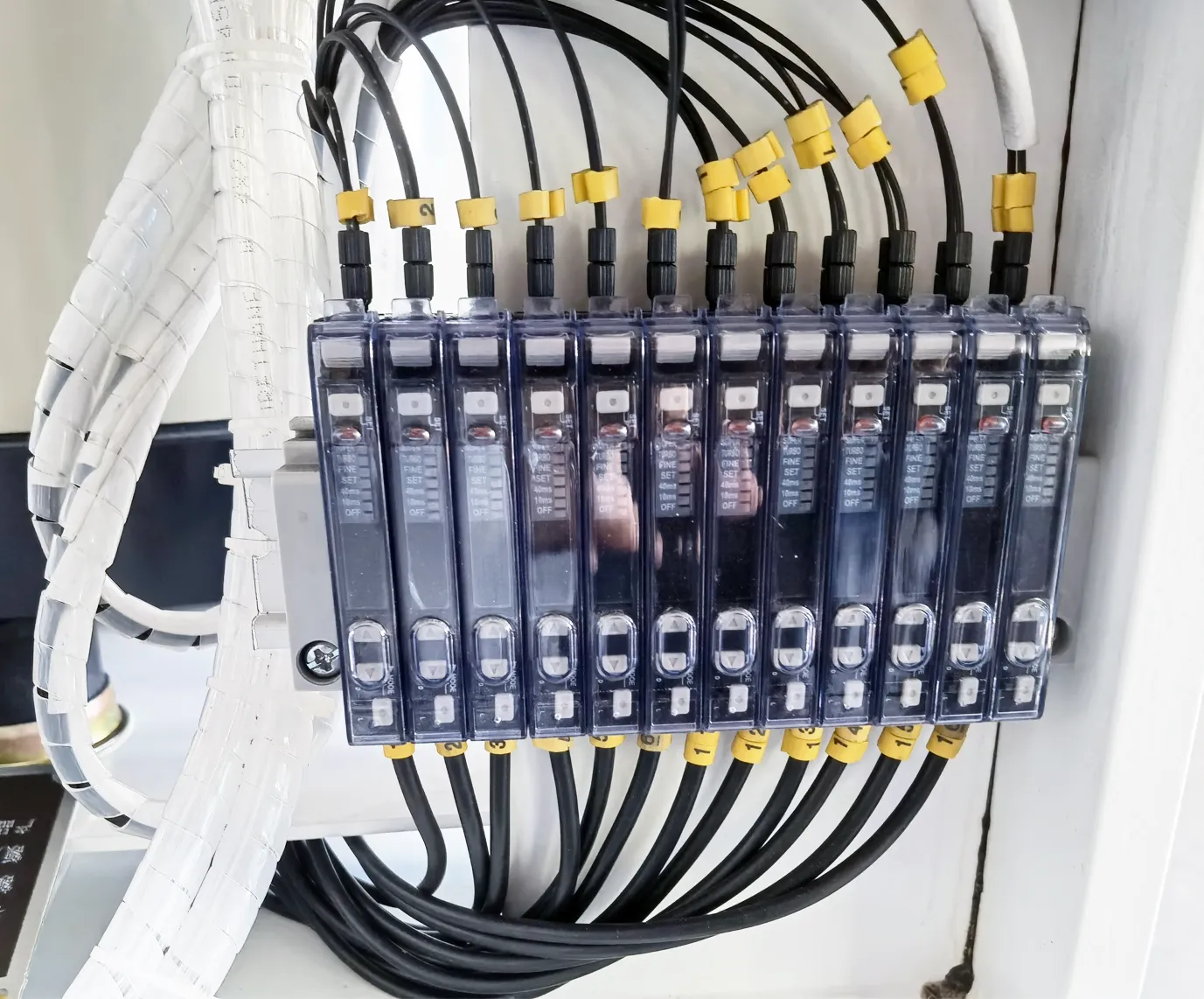
Compare quotations line by line, never on totals. Confirm the channel count and whether every channel has its own drive, sensing and jog control; the lens types the tooling price covers; your head bracket.
Write down the exclusions — freight, import duties, on-site labor, compressed-air preparation and fixture work. A cheaper quotation usually differs in this scope table, not in the machine.
| Quotation item | Ask the supplier | Evidence to request |
|---|---|---|
| Channels | How many channels, and does each have an independent drive and sensing? | General-arrangement drawing showing the channel layout |
| Tooling scope | How many lens types are covered at this price, and what does an extra type cost? | Tooling list with the price for one additional type |
| Mounting and interface | Is a bracket included for my head model, and how is the feeder interfaced? | Bracket drawing plus interface description (discrete I/O or Modbus TCP) |
| Presentation height | Is the pick-up height set to my nozzle stroke, and who sets it? | Commissioning procedure and set-up sheet |
| Sample test | Will the feeder be run on my lenses before the order? | Measured report with feed rate, rejection by cause and video |
| Acceptance criteria | What exact wording goes into the contract? | Contract clause stating measured values and the acceptance period |
| Payment | What deposit and balance structure applies to this order? | Proforma invoice with payment terms (70% deposit and 30% before shipment, or L/C at sight) |
| Warranty and support | Length, coverage, fault response and spare-parts dispatch time? | Warranty statement with response and dispatch commitments |
| Lead time and logistics | Build time in working days, and which Incoterm applies? | Stated lead time plus freight and duty options to your site |
 RelatedDPS-2 Full Technical Specifications & Configuration OptionsDPS-2 Full Technical Specifications & Configuration OptionsView product →
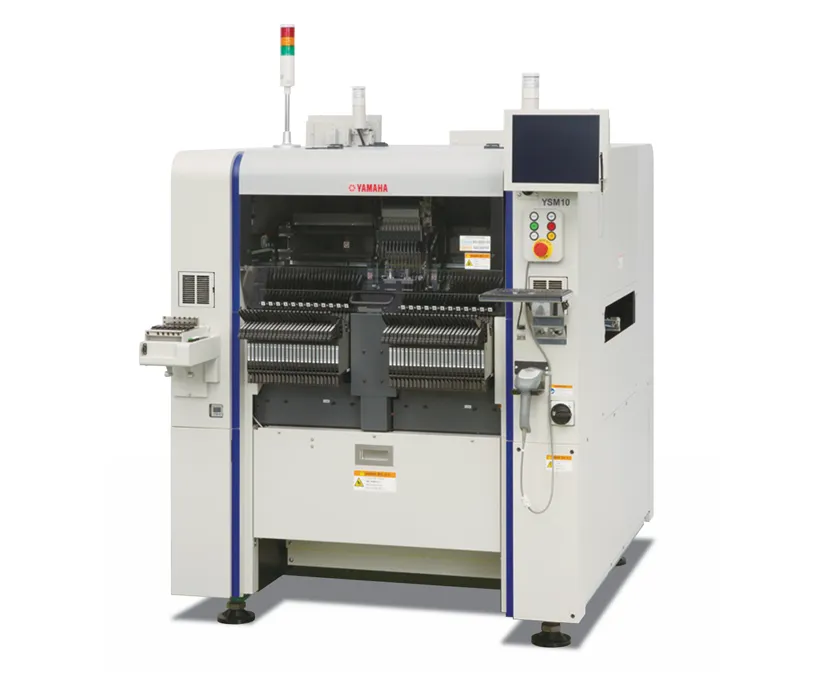 CompanionYamaha YSM10 MounterHigh-speed compact modular mounter – 46,000 CPH, 96 feeders, e-Vision + Side View.View product →
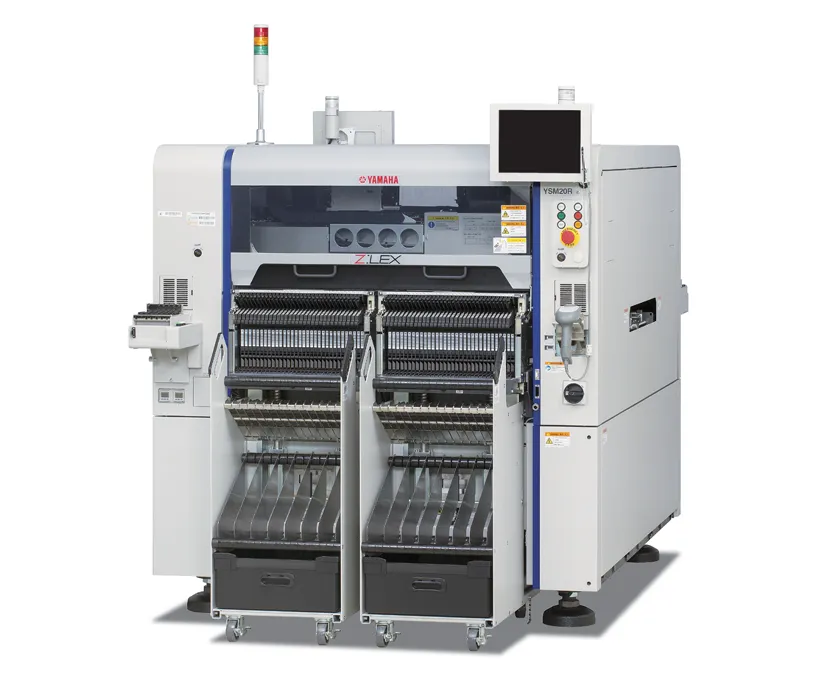 Yamaha YSM20R Pick and Place95,000 CPH modular mounter — pairs with DPS-2 lens feeding lines.View product →
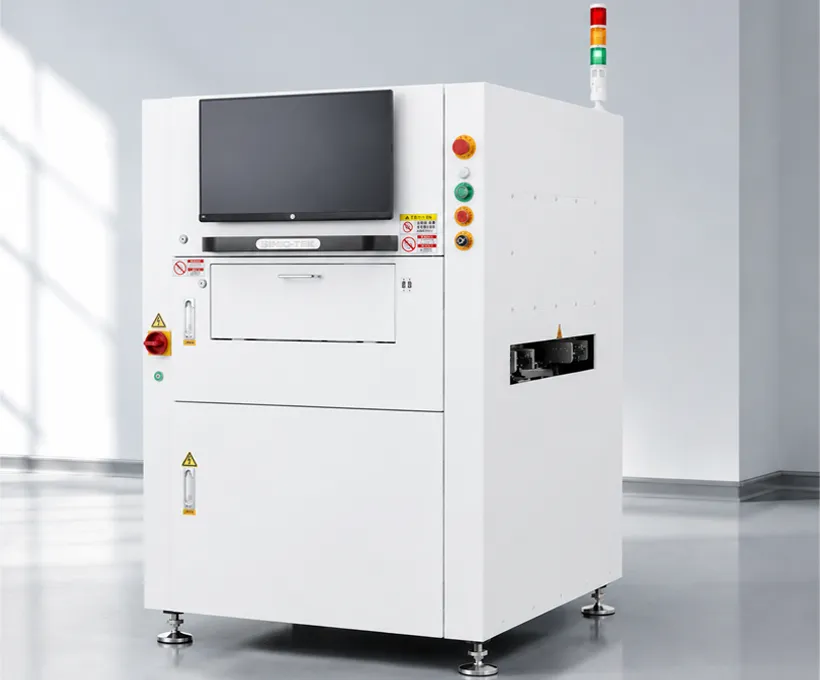 3D SPI Solder Paste InspectionCatch printing defects before reflow with 100% 3D paste inspection.View product →
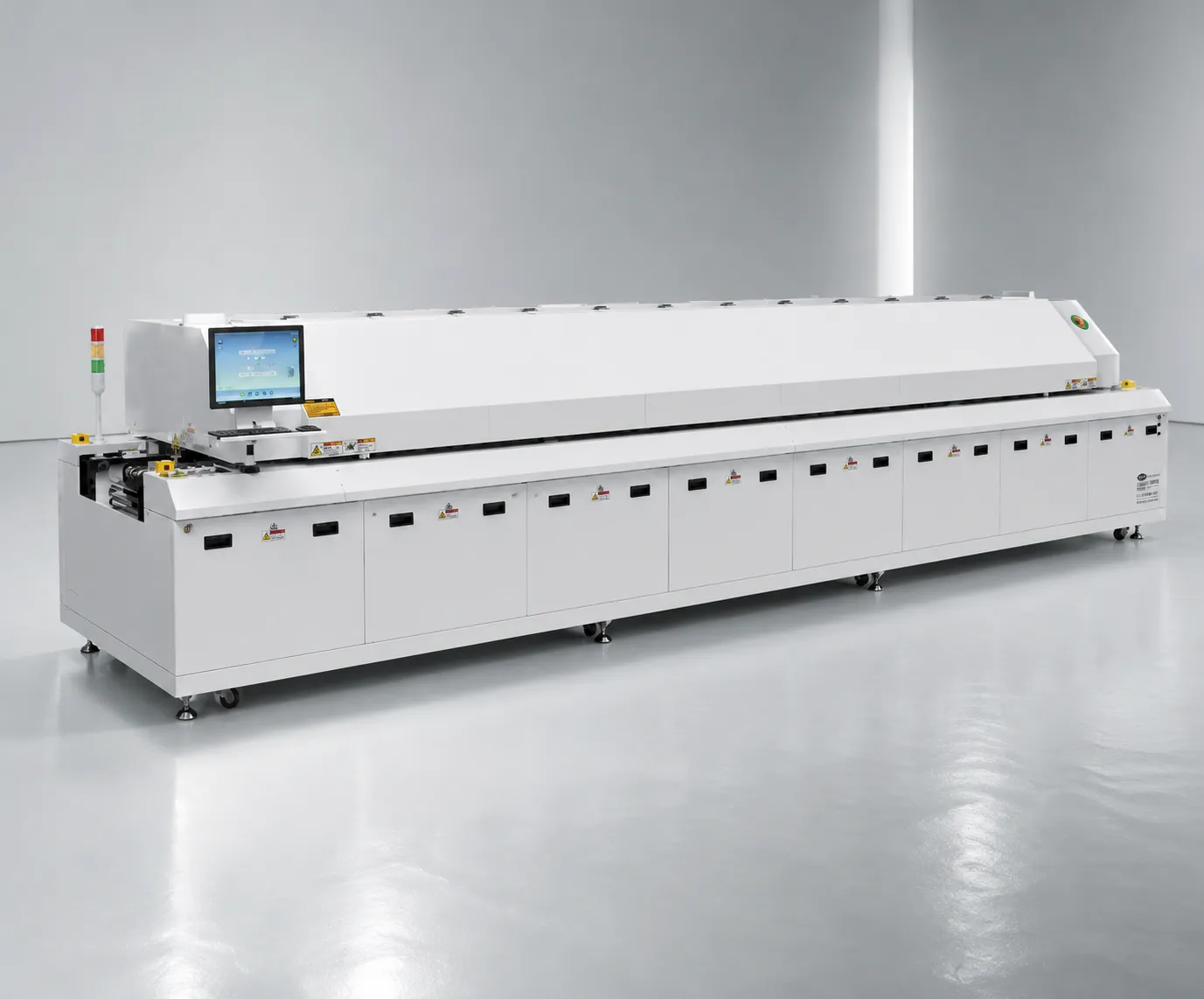 R10 Reflow OvenLead-free hot air reflow with stable thermal profiling for lens assemblies.View product →
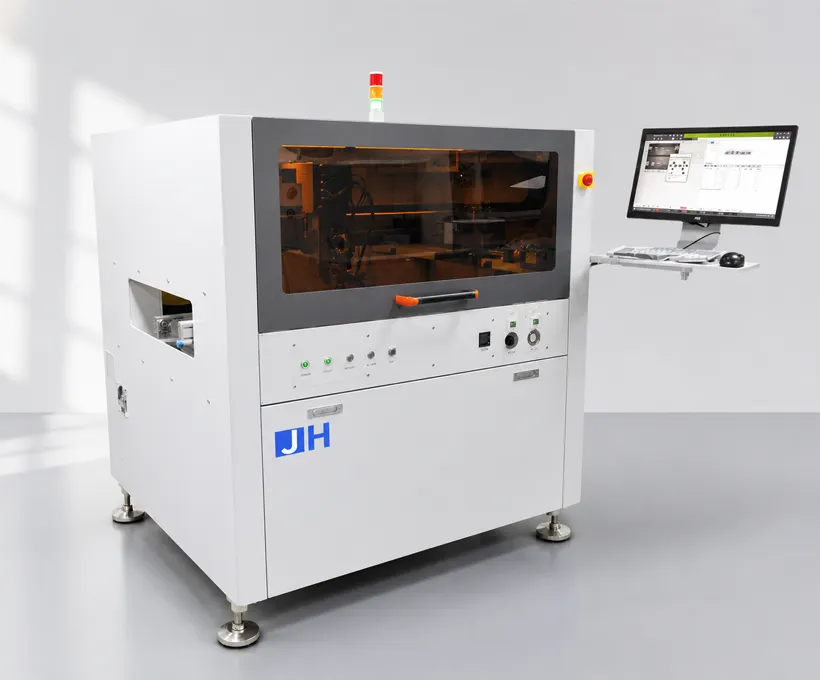 D900 Dispensing MachinePrecision dispensing for conformal coating and lens bonding steps.View product →
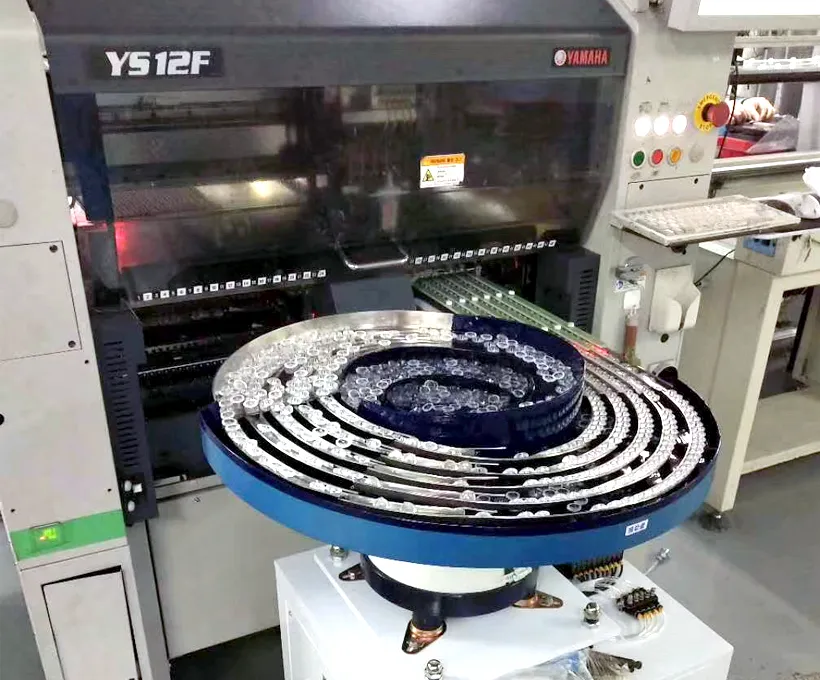 Buying GuideHow to Choose an SMT Lens Feeder (2026)An 8-step buying path, supplier scorecard and dual vs single frequency comparisonRead article →
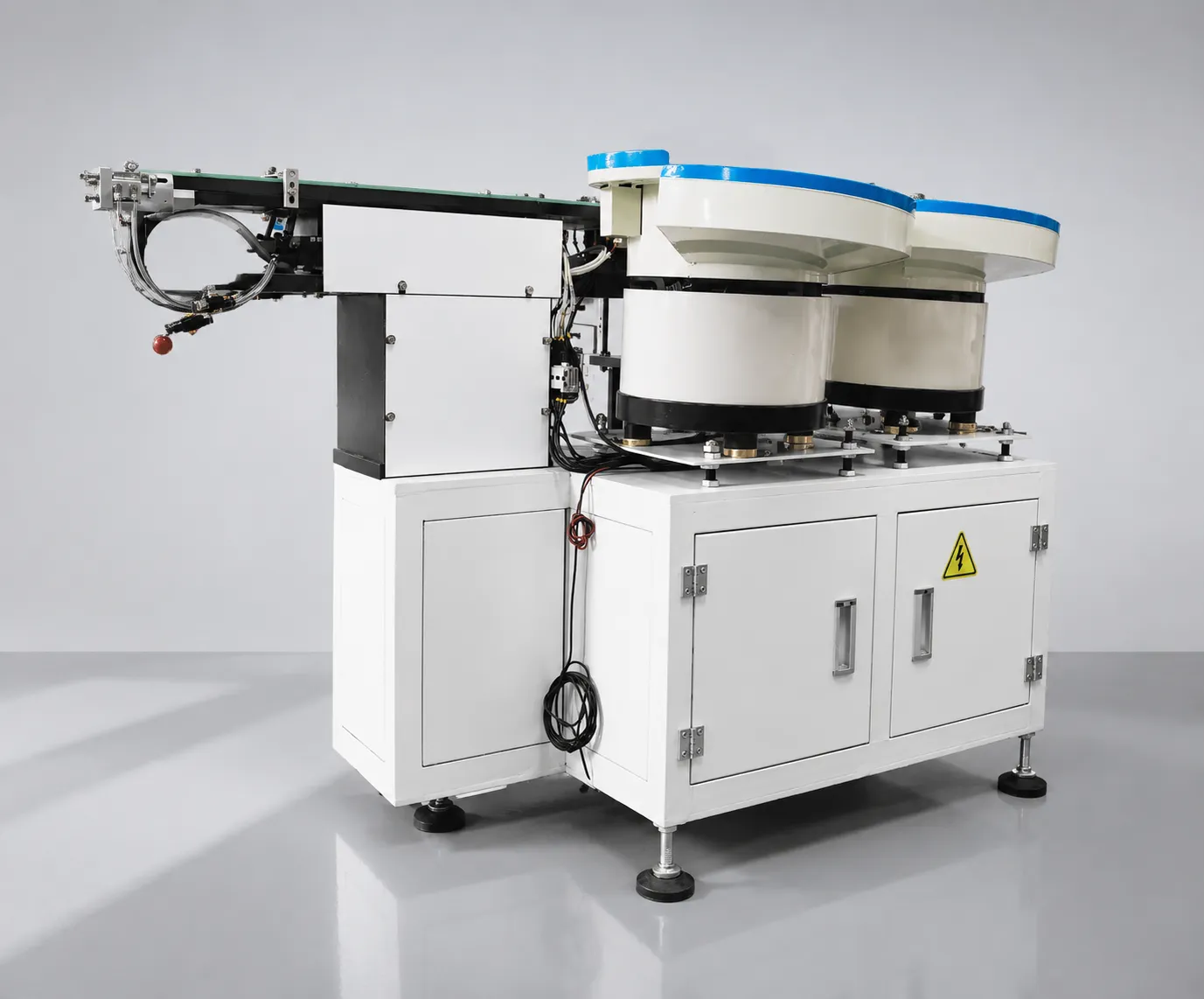 Case StudySMT Lens Feeder ROI Case StudyReal KPI transition: defect rate 12%→0.3%, UPH 900→3420, 7-month paybackRead article →GlossarySMT Lens Feeding GlossaryTerminology for vibratory feeding, PID control, and UPH metrics.Read glossary →
 ComparisonDual vs Single Frequency Vibratory FeederTechnical comparison of the two vibration technologiesRead article →ComparisonManual vs Automatic SMT Lens FeederWhich feeding method is right for your production?Read article →
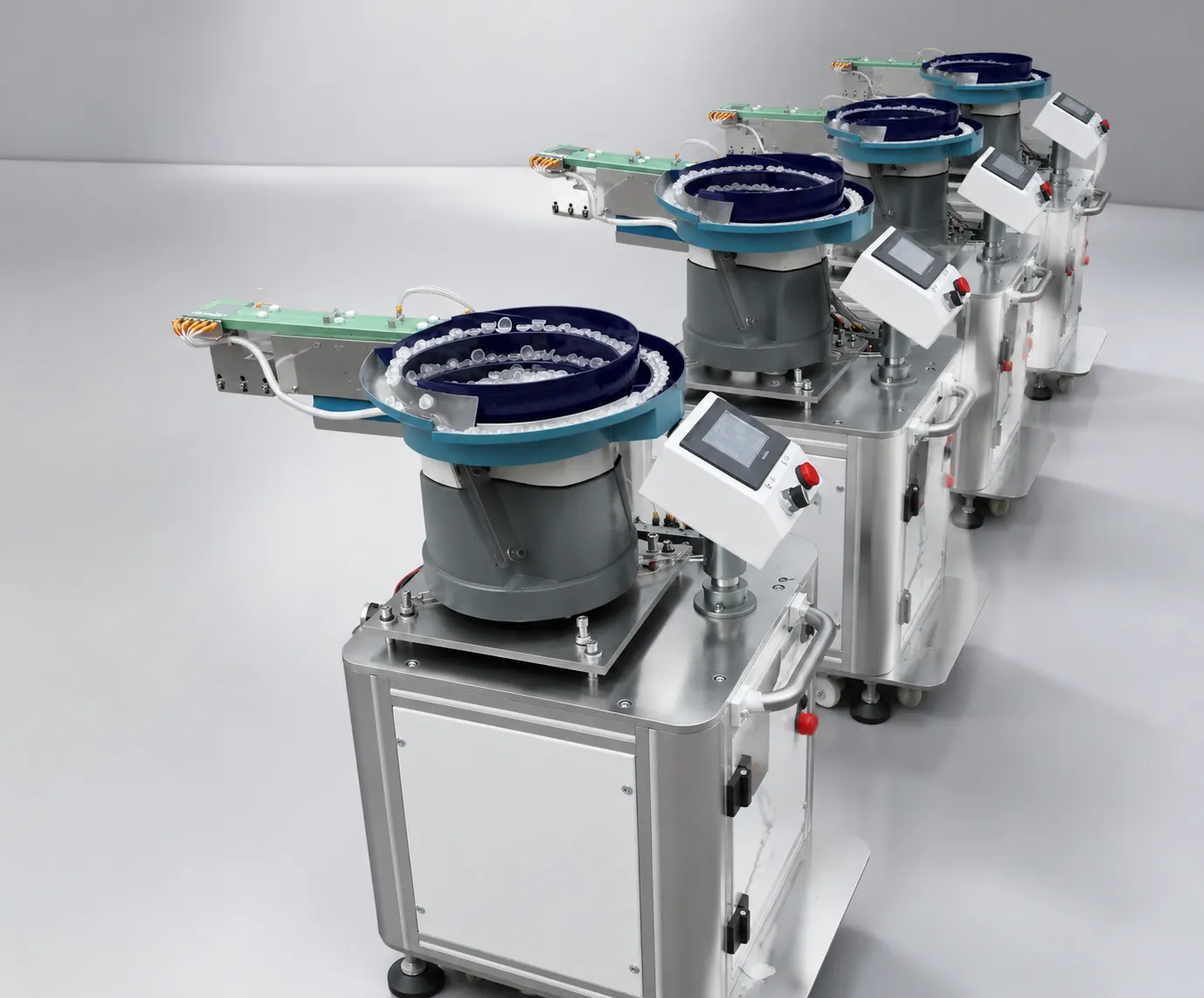 ProductDPS-2 Product KnowledgeWhat the DPS-2 is, how it works, and what it can feed.Read more →
Send your lens samples for a free 48-hour feeding test and see the dual-frequency difference with your own production lenses.
Judge hardware, not slides: watch the automatic lens vibratory bowl feeder and the feeder running on a production line, browse the JHIMS channel for more, or put your own comparison question on WhatsApp.
Real deployment: how a lens-module maker in Xiamen ended repeat feeder purchases — DPS-2 lens feeder repeat-purchase case study.
More feeder and printer guides are in our technical blog.