Address
Building A1, Runteng Industrial Park, No. 4 Xishan Road, Longteng Community, Shiyan Subdistrict, Bao'an District, Shenzhen 518000, China
Work Hours
Monday to Saturday: 09:00 – 23:00 (UTC+8)
Sunday: closed
Address
Building A1, Runteng Industrial Park, No. 4 Xishan Road, Longteng Community, Shiyan Subdistrict, Bao'an District, Shenzhen 518000, China
Work Hours
Monday to Saturday: 09:00 – 23:00 (UTC+8)
Sunday: closed

Repeat order case study: how a TV backlight maker in Xiamen added DPS-2 lens feeders and reproduced 10,000 CPH, a 2% jam rate and 99% alignment on new lines.
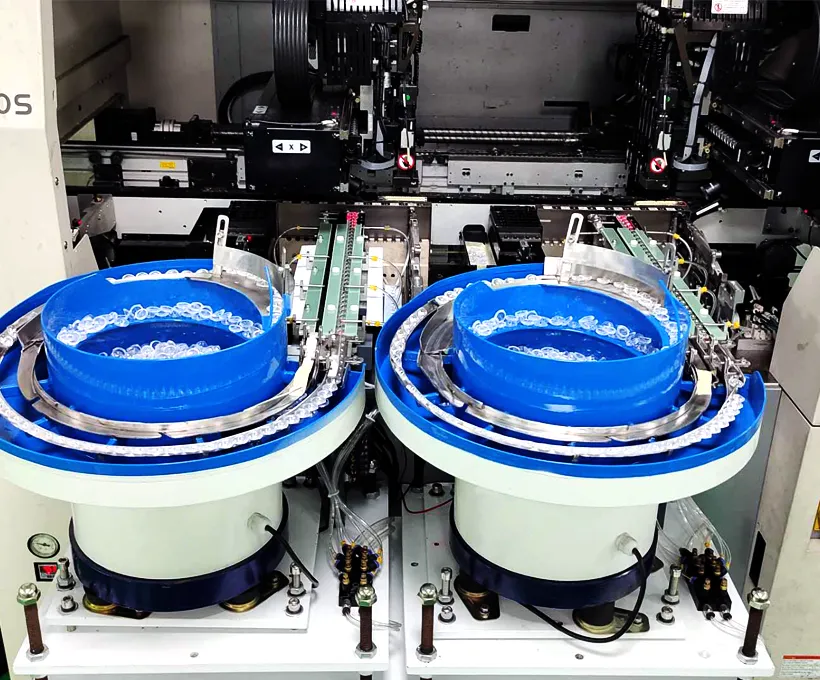
Why a Xiamen TV panel manufacturer ordered additional JHIMS DPS-2 lens feeders after the first deployment — 6,000 to 10,000 CPH, jam rate down from 15% to 2%, alignment from 85% to 99%, repeated on the same Hanwha SM482 / SLM120S platform.
At a glance: who the customer is, where they operate, and what drove the repeat purchase.
A repeat order is a different kind of project from a first installation. The customer already knows the platform, the integration and the performance; what the repeat order has to deliver is sameness. New lines must feed exactly like the lines already running, because the panels they produce go into the same product and are inspected against the same criteria.
Any drift in feed rate or rejection between an original line and a new one shows up as a yield difference between lines, which is far harder to manage than a uniformly lower figure. That is the standard this project was measured against.
The customer first deployed a JHIMS DPS-2 lens feeder to remove backlight lens feeding bottlenecks: orientation errors, lens rotation under vibration and jams kept feeding below 8,000 CPH. The full record — feeding rising to 10,000 CPH, jams falling from 15% to 2%, alignment accuracy reaching 99% on 7–20 mm lenses — is in the Xiamen TV backlight case study.
With the DPS-2 platform running reliably in daily production, the customer returned to JHIMS for a repeat order. Repeat purchases follow proven results: the same lens portfolio, the same Hanwha line infrastructure and a platform already validated on the customer’s own lenses — so the expansion carried no re-engineering risk.
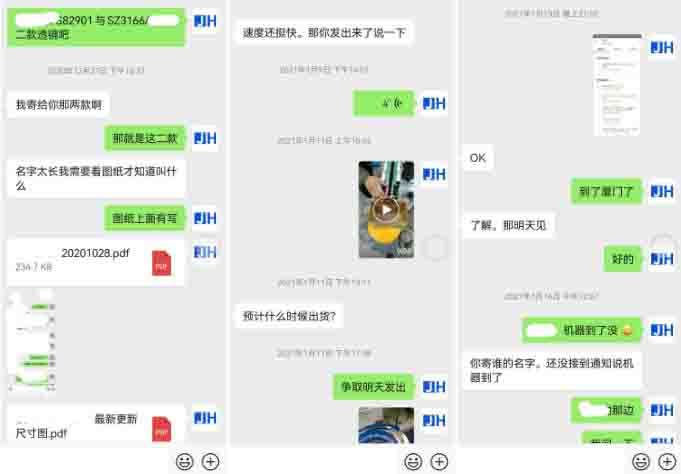
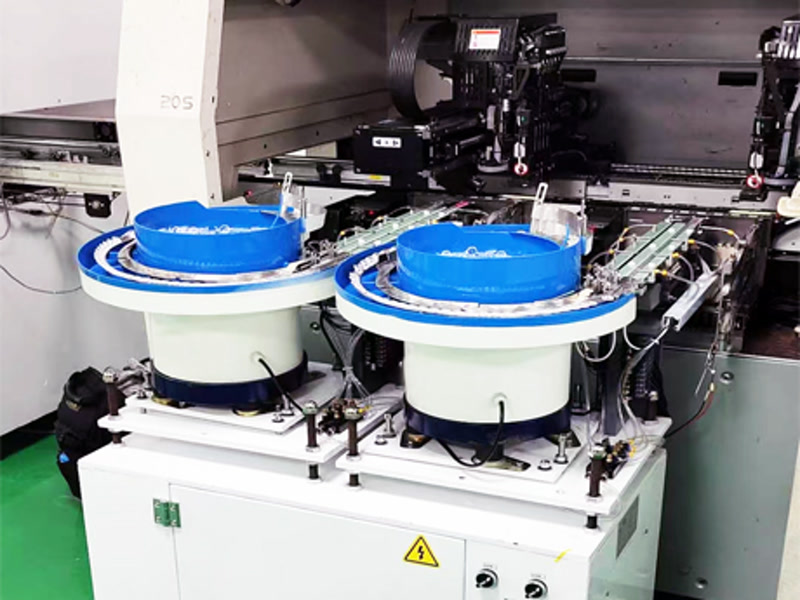
The first deployment set the benchmark: orientation errors, lens rotation under vibration and jams had kept feeding below 8,000 CPH; after the DPS-2 was installed, feeding rose to 10,000 CPH, the jam rate fell from 15% to 2% and alignment accuracy improved from 85% to 99%.
Those four figures are why the repeat order followed — they are the numbers the customer’s own production team now uses to judge a lens feeding line. When the TV panel business needed additional backlight capacity, the question was not which technology to buy but whether the same results could be reproduced on new lines without re-engineering.
Expanding a validated solution is different from a first deployment — the repeat order had to preserve everything that worked while bringing new capacity online.
Scaling a proven solution brings three specific risks. Capacity risk is the obvious one: additional TV backlight lines needed the same high-speed, jam-free feeding, and a solution that works on one line is not automatically available on three.
Consistency risk is subtler — every new unit must match the feed rate, orientation quality and rejection of the units already in production, because lens quality is judged per line. Integration risk is inherited: the new feeders had to work with existing Hanwha SM482 and SLM120S placement lines, so the integration approach could not change.
What was verified before the repeat units were released, and what each check protects.
| Verification item | Method | What it protects |
|---|---|---|
| Lens portfolio | Re-verify the 7–20 mm variants against existing tooling | Nothing in the mix has moved outside the configuration |
| Bowl channels and routes | Reproduce the proven geometry, not an adapted version | Identical feeding behavior on new lines |
| Vibration parameters | Copy the validated settings into each new PLC | Same amplitude behavior lane to lane |
| Profiles and naming | Reconcile stored profiles so lens names match across machines | One lens type means one behavior site-wide |
| Mounting and integration | Repeat the same bracket and height procedure on SM482 / SLM120S | No re-engineering, no new qualification |
| Presentation height | Set to the production nozzle with the same method | Pick-up reliability independent of the line |
| Acceptance data | Compare against the recorded data of the units in service | Performance judged against real production, not a catalogue |
| Spares and support | Continuity across the installed base | Serviceable fleet rather than individual machines |
The four stated requirements are the customer’s way of removing those risks contractually. Proven platform means the same DPS-2 feeder already validated on these lenses rather than a new design. Seamless integration means compatibility with the existing Hanwha SM482 and SLM120S lines, with no re-engineering of brackets, height or interface.
Fast ramp-up means the new units produce the same 10,000+ CPH behavior from day one rather than after a settling period. Reliable support means after-sales service and spares continuity for the whole installed base — a practical requirement for a manufacturer running several identical lines on one site.
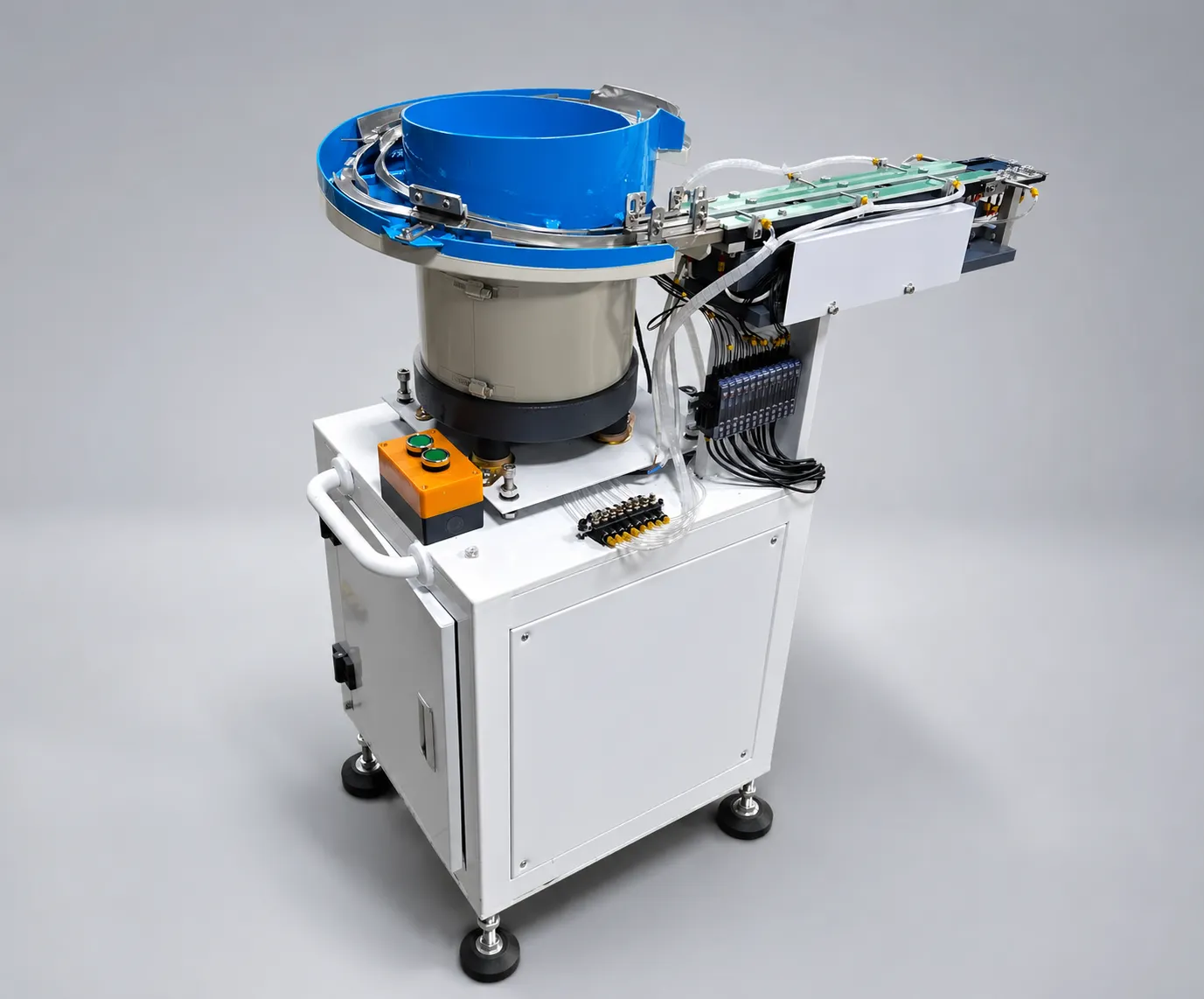
For the repeat order, JHIMS supplied additional DPS-2 lens feeders on the same platform, configured to the customer’s lens portfolio and expanded line layout — with the same patented feeding technology that proved itself on the first deployment.
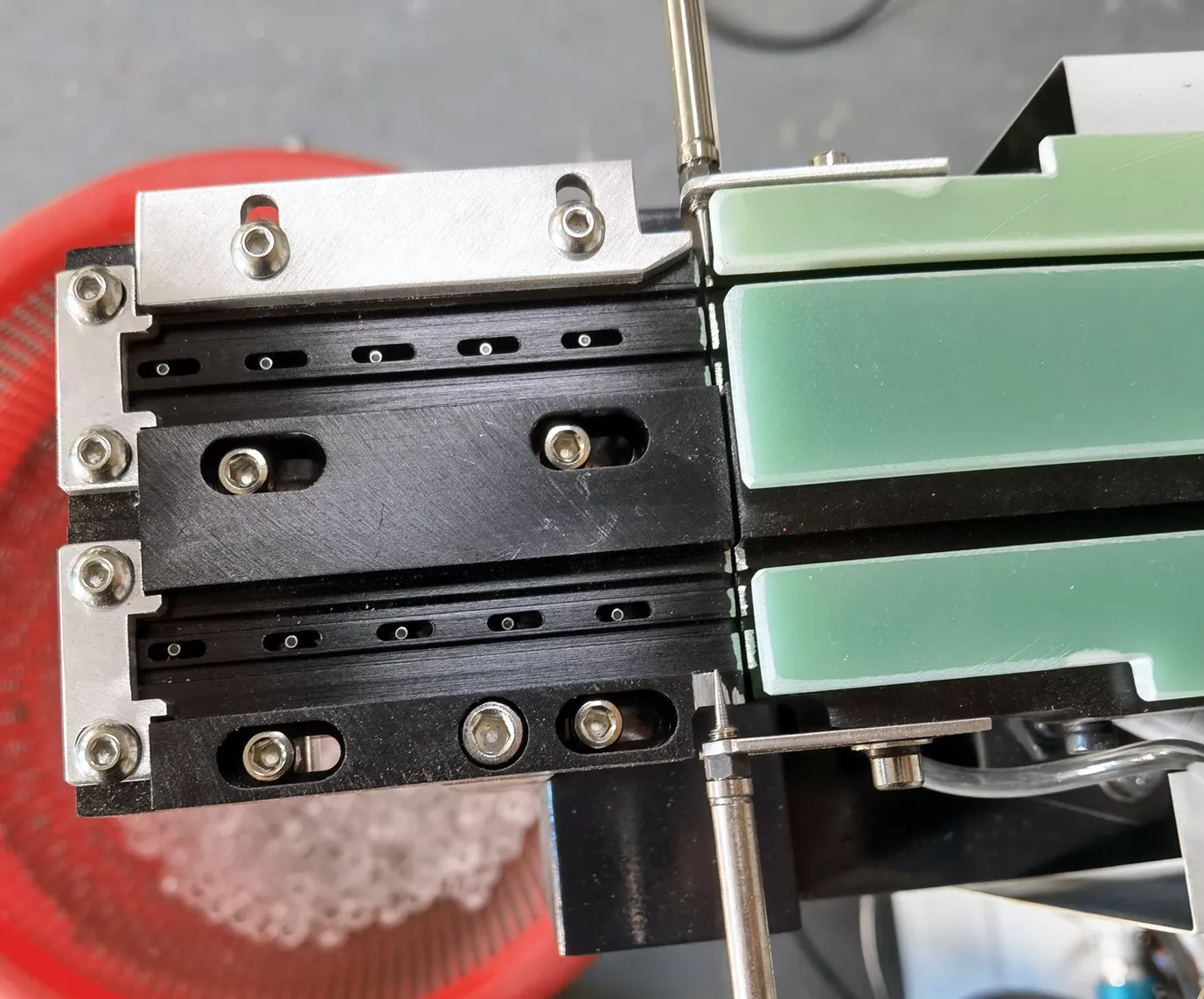
The solution was to replicate rather than redesign. Additional DPS-2 lens feeders were supplied on the same platform, configured to the customer’s lens portfolio and expanded line layout, using the same adaptive dual-vibration architecture that corrects misalignment and rotation before the lens reaches the nozzle.
The published record describes the same patented feeding technology across the repeat units, which matters for consistency: the bowl channels, routes and vibration parameters are those already proven on the first deployment, so a new line behaves like an existing one. Where the expanded layout needed different cable routes or mounting positions, the changes stopped at installation detail.
The repeat order covered additional JHIMS DPS-2 lens feeders configured for the customer’s expanded TV backlight line layout, following the same platform as the first deployment. Order quantity and delivery records are available from JHIMS sales on request.
| Feature | Details |
|---|---|
| Lens Diameter Range | 3mm – 25mm (Xiamen config: 7–20mm) |
| Lens Types | Inner/outer three-feet, four-angle reflection lenses |
| Number of Tracks | 2 disc tracks standard, expandable to 10; 2 linear tracks |
| Transfer Speed | 0.5–1 second per lens (single channel) |
| Rejection Rate | Under 0.5% |
| Vibration Control | Patented dual-frequency vibration |
| PLC & HMI | Mitsubishi FX5U + 7-inch Weintek HMI (50 profiles) |
| Power Supply | 220V AC, 50–60Hz, single phase, 0.55 KVA |
The repeat order covered additional JHIMS DPS-2 lens feeders configured for the expanded TV backlight line layout, on the same platform as the first deployment; order quantity and delivery records are available from JHIMS sales on request. The published lens diameter range is 3–25 mm, which encloses the 7–20 mm variants used on these lines.
Because the configuration is replicated, the tooling developed and verified for the first line is used for the new ones, and the profiles stored in the PLC carry over: the same lens type is selected by the same name and produces the same presentation at the nozzle, on every line.
Three steps kept the repeat deployment predictable. Portfolio re-verification checked the customer’s 7–20 mm lens variants and the expanded line layout against the existing tooling, confirming nothing in the product mix had moved outside the configuration.
Standard configuration then replicated the proven setup — the same bowl channels, routes and vibration parameters — rather than adapting it to the new lines. Hanwha integration repeated the same mounting and interface work on the SM482 and SLM120S lines, so the installation sequence, presentation height and line interface matched the first project. The result is a deployment that needs no new qualification.
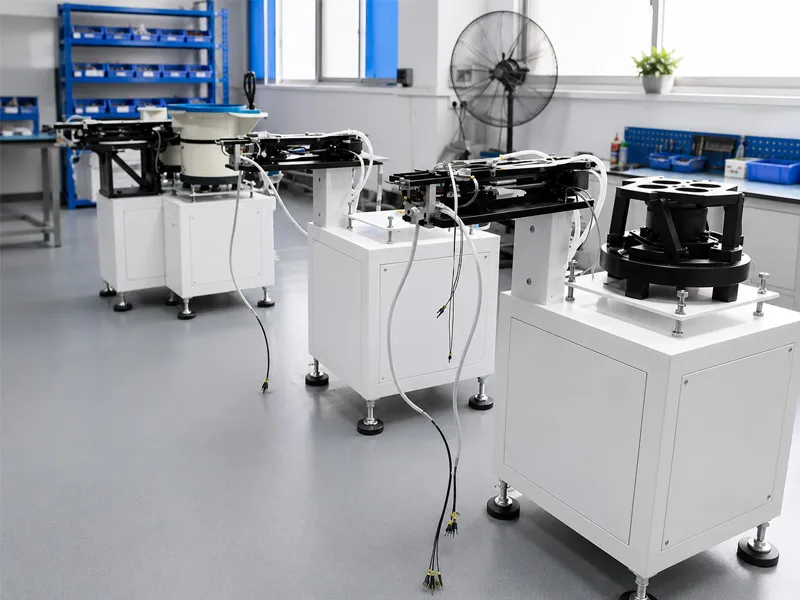
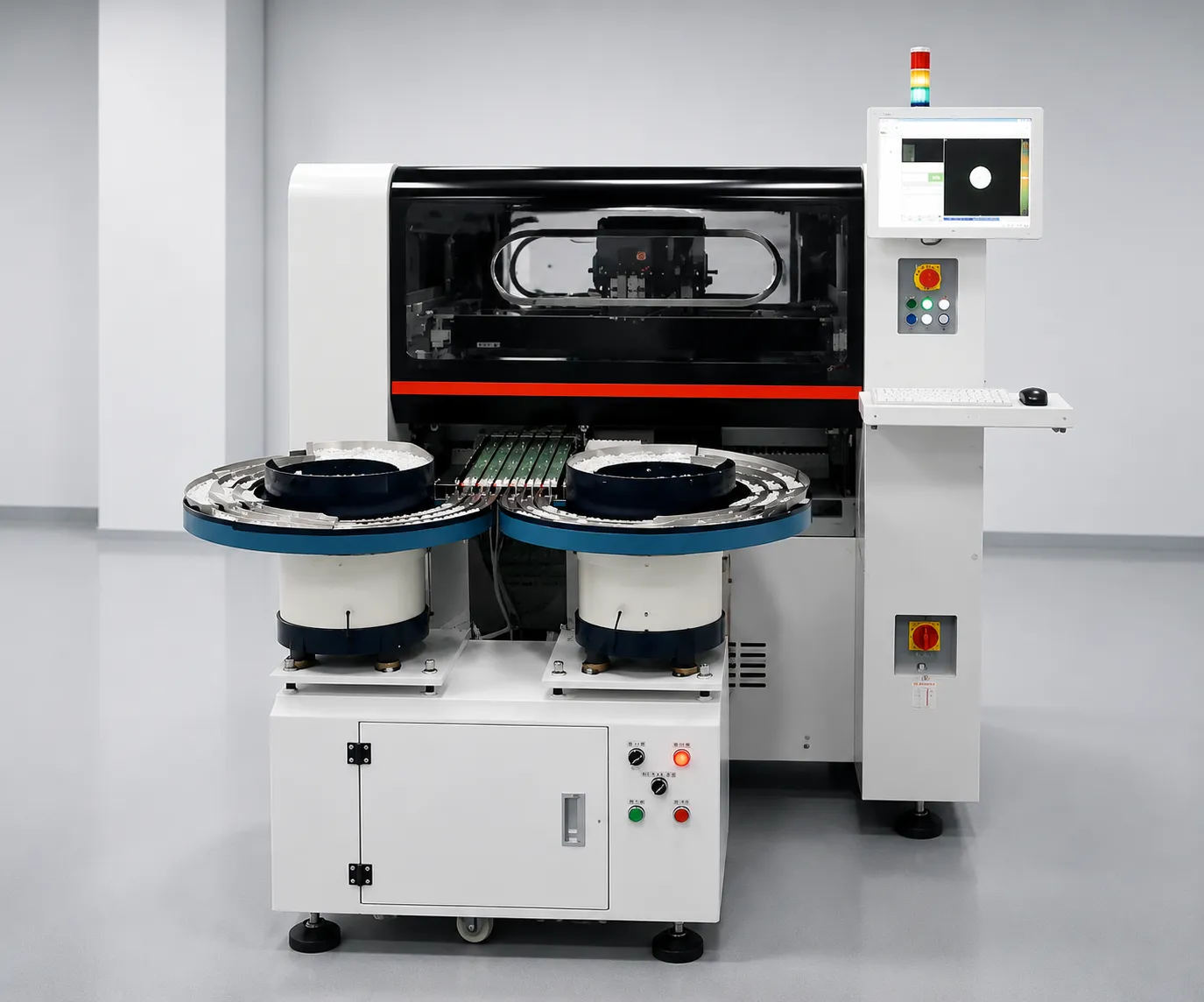
Watch the JHIMS automatic lens vibratory bowl feeder — the same DPS-2 feeding platform the Xiamen customer ordered again — feeding optical lenses at high speed. Watch the full feeder video on YouTube, or browse more JHIMS machine videos on the JHIMS channel.
The video shows the same DPS-2 feeding platform the Xiamen customer ordered again, running at production speed. Two details are worth watching because they are what a repeat buyer is paying for.
The first is stability: lenses should enter the linear track continuously with a constant rhythm rather than in bursts, because bursts mean the bowl and the alignment channel are working against each other. The second is orientation: lenses should present flat and centred at the escapement without visible correction by the nozzle. Both are the visual signature of the published numbers — 10,000 CPH, 2% jam rate and 99% alignment.
The repeat order extended the first deployment’s proven results to additional lines. First-deployment metrics (published JHIMS case record):
| Metric | Before | After | Improvement |
|---|---|---|---|
| Throughput (CPH) | 6,000 | 10,000 | +67% |
| Jam Rate | 15% | 2% | -87% |
| Alignment Accuracy | 85% | 99% | +17% |
The published metrics belong to the first deployment and are reproduced here because they are the basis of the repeat purchase: throughput 6,000 to 10,000 CPH (+67%), jam rate 15% to 2% (−87%) and alignment accuracy 85% to 99% (+17%).
The repeat order itself is the strongest evidence in the record, because a manufacturer buys the same solution again only when the first installation performed in daily production, across shifts, on real product. For a buyer evaluating a supplier, that is the hardest number to fake: installed base depth on the same platform, with the same integration, in the same product family.
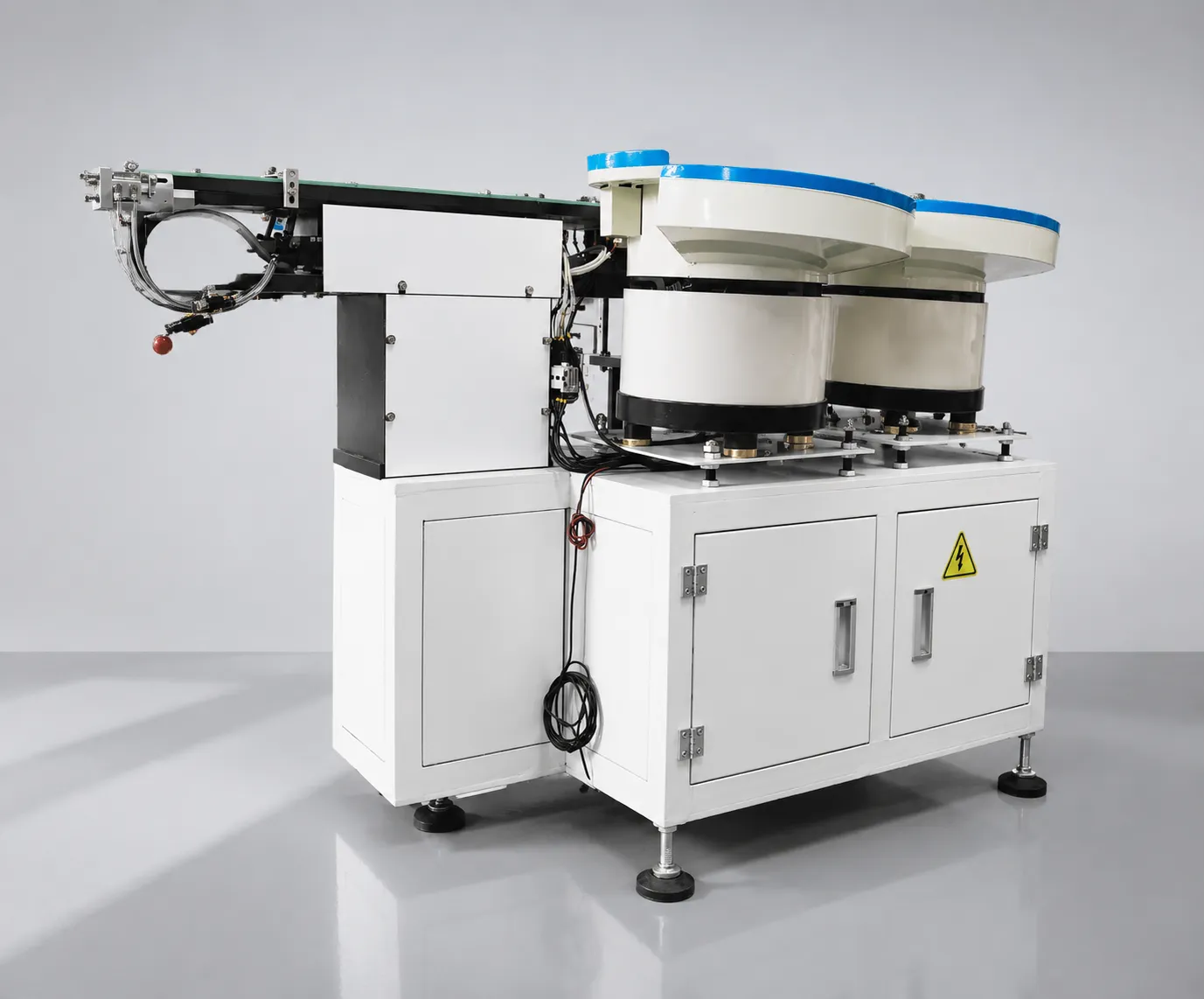
Repeat Confidence — The customer’s repeat order is itself the strongest result: customers only reorder equipment that performs in daily production. By scaling the same DPS-2 platform, the customer kept feeding quality, spare parts and operator training consistent across every line.
For the complete first-deployment record, see the Xiamen TV backlight case study.
A first installation is tested by whether it meets its acceptance criteria. A repeat order is tested by whether those criteria hold on a second line, in a different part of the factory, run by different operators — a stricter test than most equipment suppliers are asked to pass.
Consistency across lines is not produced by the same drawings alone. It requires the tooling to be reproduced to the same dimensions, the drive parameters to be identical rather than similar, the presentation height to be set by the same method, and the profiles in each machine to be reconciled so that the same lens name means the same behavior everywhere.
Two practices make that reproducible, and both are visible in this project. First, performance is measured on the customer’s own lenses before shipment, so a new unit can be compared against recorded data from the units already in service rather than against a specification sheet.
Second, the configuration is treated as frozen: when a platform has been validated on a product mix, the repeat order replicates it instead of optimizing it, because a supplier who improves the design between units turns one accepted solution into two versions that must be managed. For a manufacturer adding lines, that discipline makes the third and fourth machines as predictable as the first.
First deployment and repeat order compared on what must be demonstrated in each case.
| Dimension | First deployment | Repeat order |
|---|---|---|
| Primary question | Does the technology work on our lens? | Does it work the same way on the next line? |
| Tooling | Developed and verified on customer lenses | Reproduced from the validated design |
| Parameters | Calibrated during commissioning | Replicated into each new machine |
| Acceptance data | Measured during 48-hour burn-in | Compared against the installed units’ records |
| Main risk | Technical feasibility | Line-to-line variation |
| Published result (this account) | 6,000 → 10,000 CPH, jams 15% → 2%, alignment 85% → 99% | Same platform and integration repeated on additional lines |
FeaturedJHIMS DPS-2 Lens FeederMulti-channel lens vibratory feeder – 0.5–1s per lens, under 0.5% rejection, PLC profile recall.View product →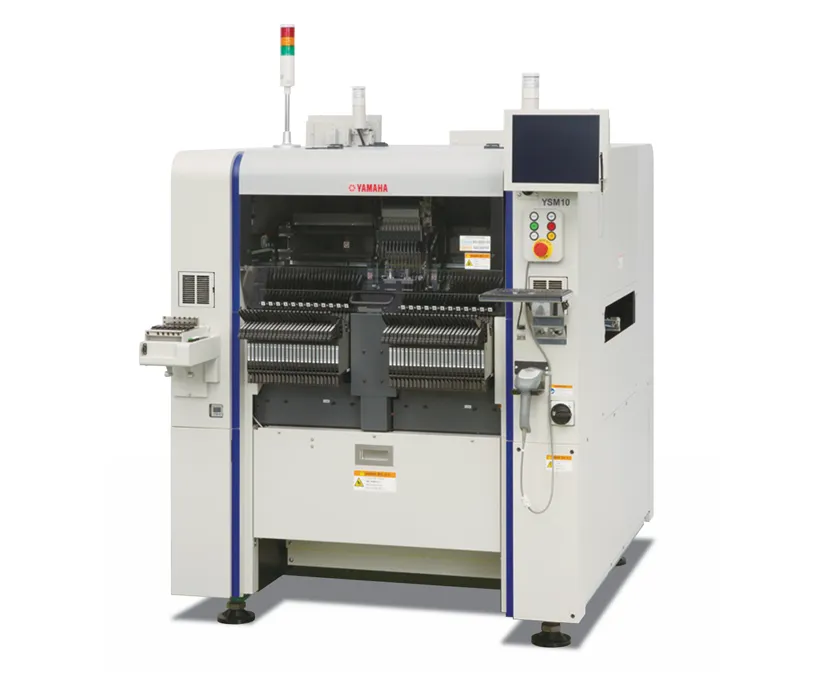 CompanionYamaha YSM10 MounterHigh-speed compact modular mounter – 46,000 CPH, 96 feeders, e-Vision + Side View.View product →
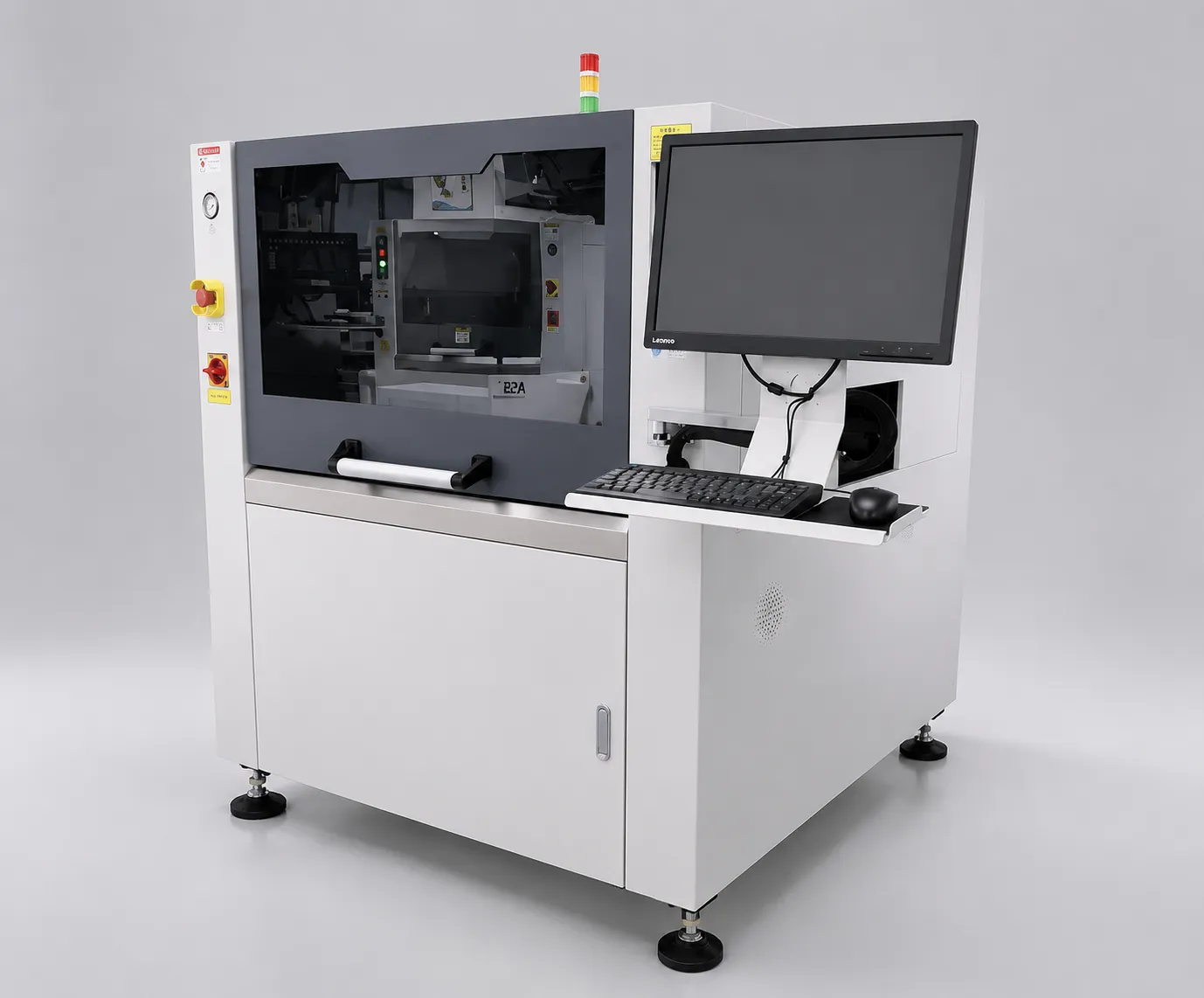 JHIMS L5 Solder Paste PrinterAutomatic SMT stencil printer – ±0.025mm accuracy with vision-aligned printing for the SMT line.View product →
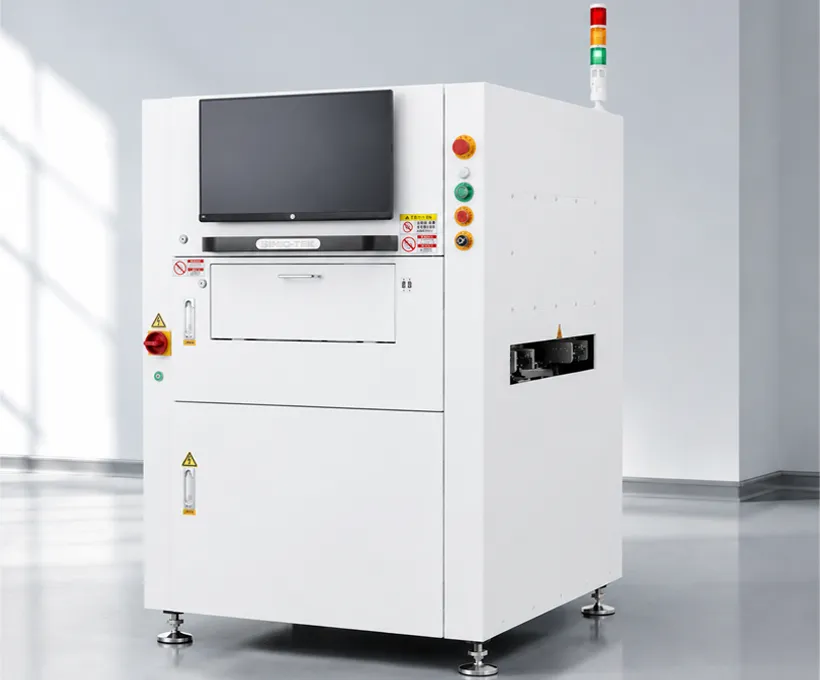 RelatedJHIMS S630 3D SPI3D solder paste inspection – verifies print quality before reflow.View product →
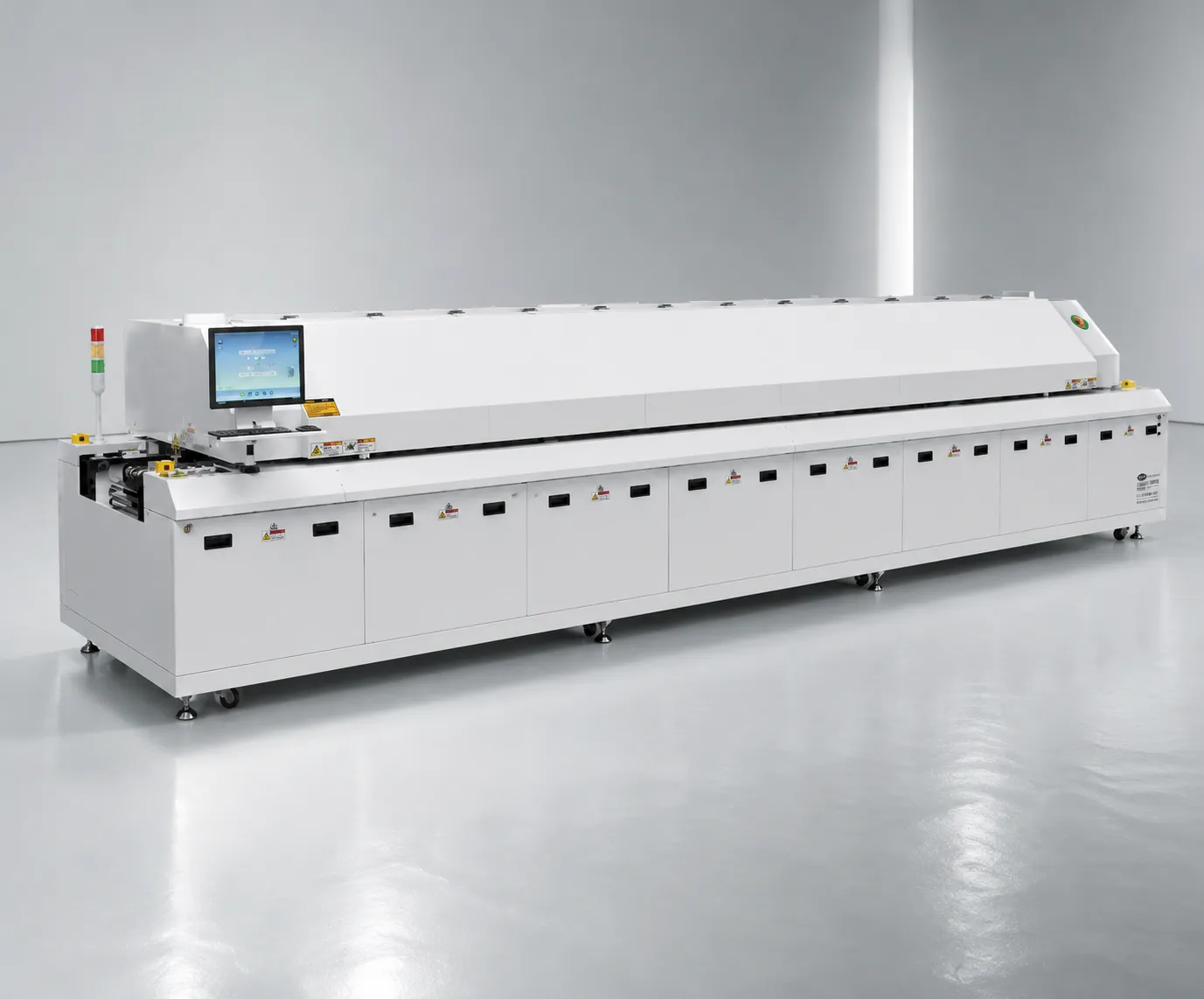 RelatedJHIMS R10 Reflow OvenLead-free hot-air reflow soldering for SMT lines – 20 heating zones, up to 300°C peak.View product →
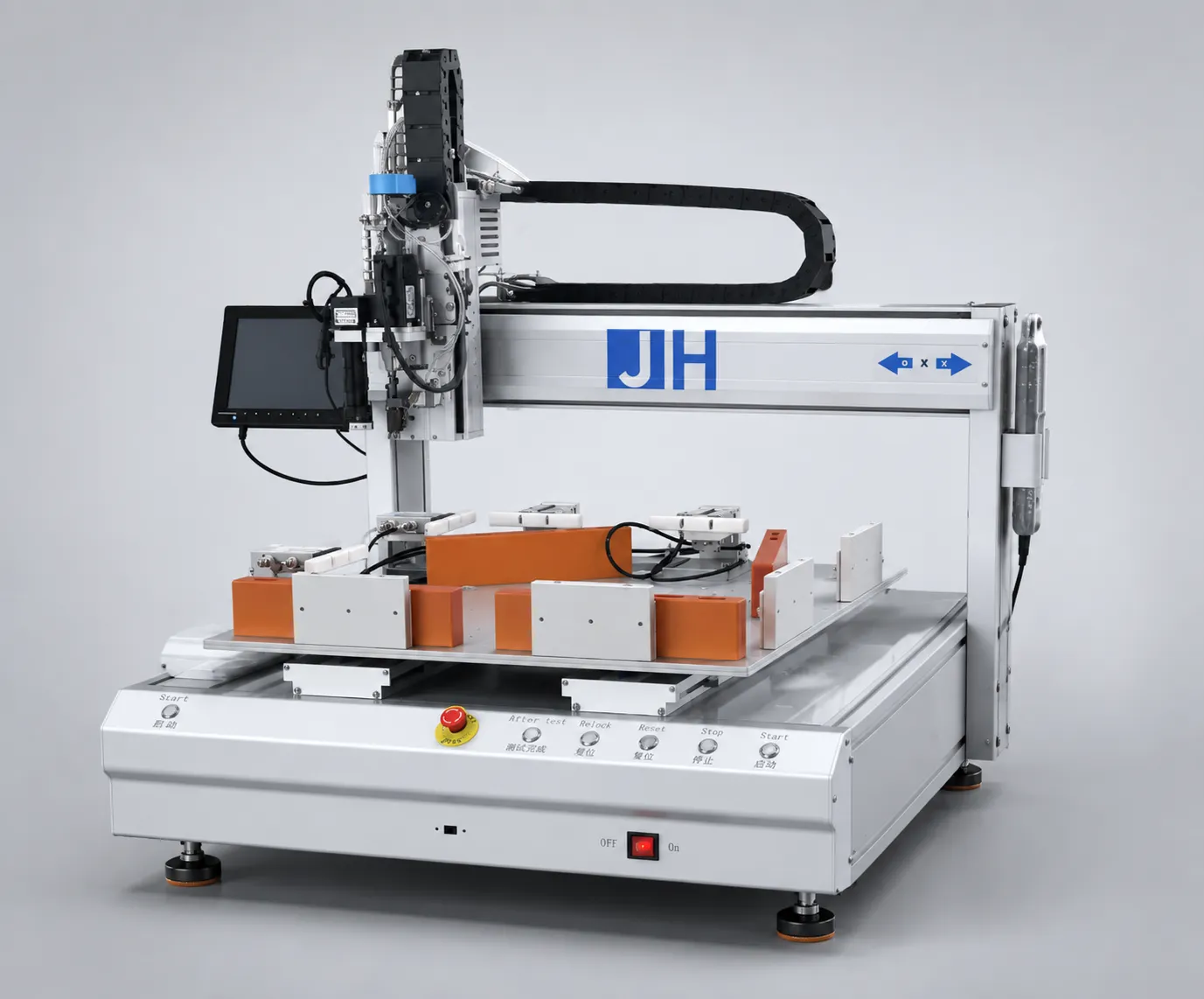 RelatedJHIMS ZM500 Screw MachineAutomated screw tightening and removal for electronics assembly.View product →First DeploymentXiamen First DeploymentHow the customer’s first DPS-2 lens feeder raised TV backlight feeding from 6K to 10K CPH.Read article →DPS-2 Lens Vibratory Feeder FAQ40 real-world Q&As on the DPS-2: speed, channels, lenses, changeover and integration.Read article →
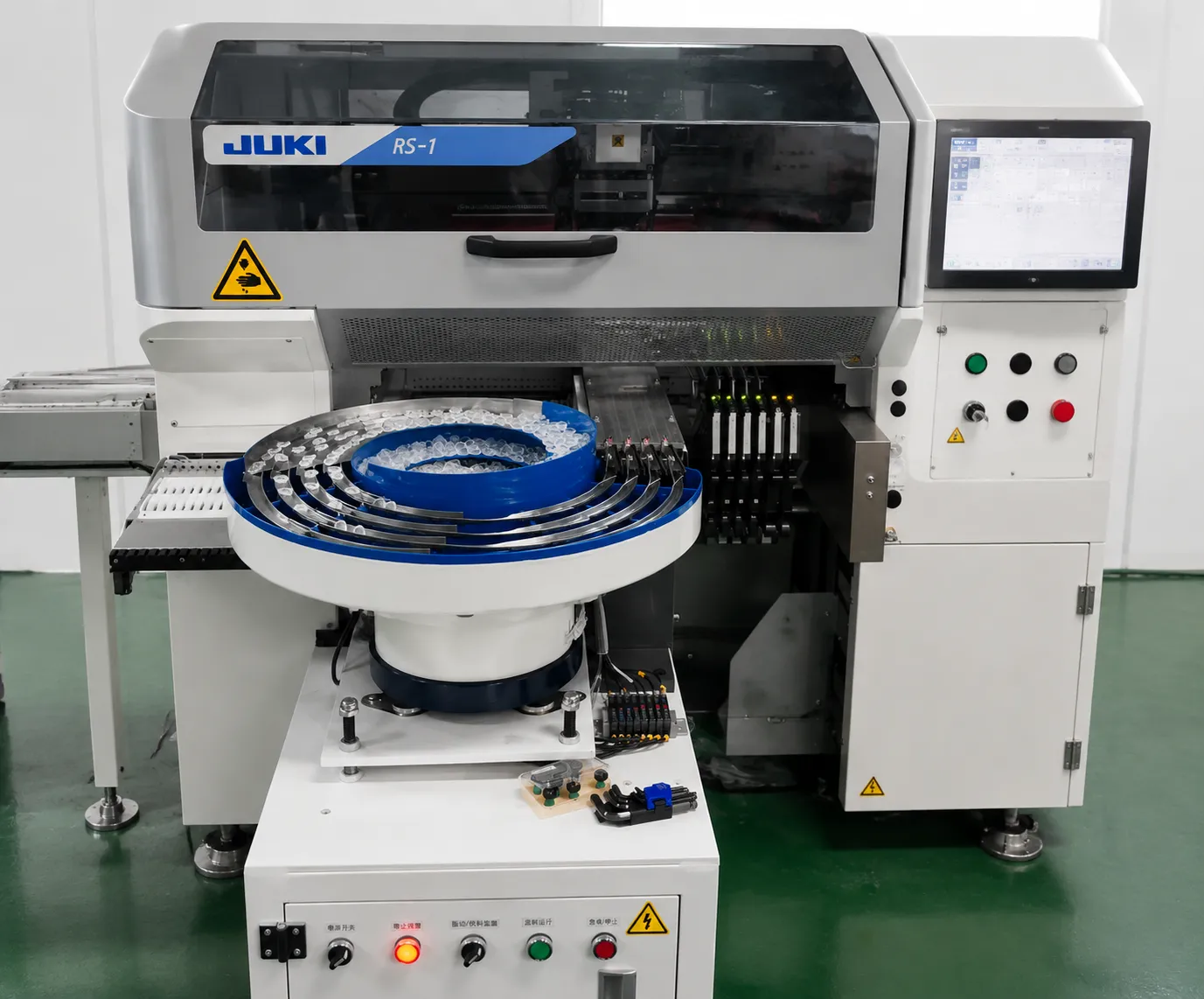 Manual vs Automatic SMT Lens FeedingCompare manual placement vs automatic lens feeding for high-mix production.Read article →
 Lens Feeder Case Study: LED Lighting RussiaLens vibrating feeder automating lens assembly for a Russian LED lighting manufacturer.Read article →
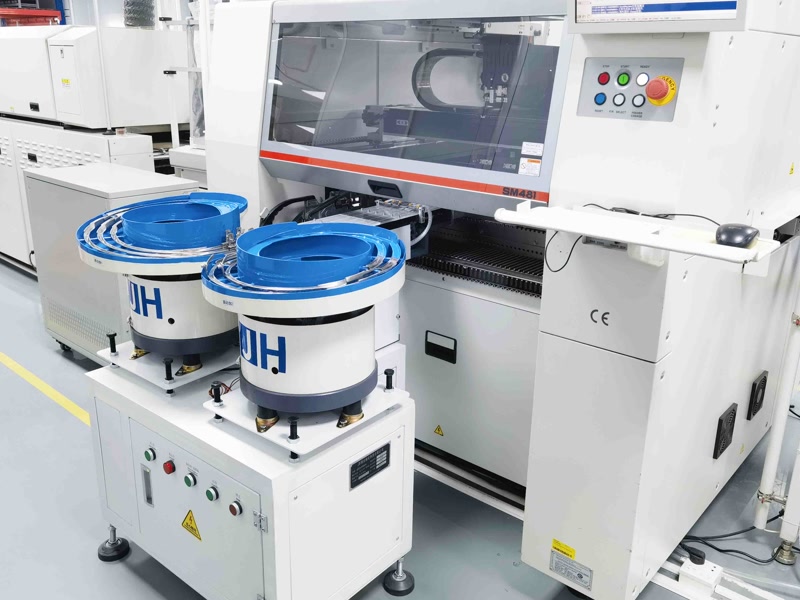 Lens Feeder Case Study: Hanwha SM481 DongguanCustom lens feeder for a Dongguan LED manufacturer on a Hanwha line.Read article →JHIMS Lens Feeder ROI AnalysisPayback analysis for automatic lens feeding vs manual placement.Read article →
Plan a repeat deployment with JHIMS — send your lens samples for a free 48-hour DPS-2 lens feeder test, and we reply within 12 working hours (Mon–Sat, 09:00–23:00 China Standard Time, UTC+8).