Address
Building A1, Runteng Industrial Park, No. 4 Xishan Road, Longteng Community, Shiyan Subdistrict, Bao'an District, Shenzhen 518000, China
Work Hours
Monday to Saturday: 09:00 – 23:00 (UTC+8)
Sunday: closed
Address
Building A1, Runteng Industrial Park, No. 4 Xishan Road, Longteng Community, Shiyan Subdistrict, Bao'an District, Shenzhen 518000, China
Work Hours
Monday to Saturday: 09:00 – 23:00 (UTC+8)
Sunday: closed

8-step buying path for SMT lens vibratory feeders: requirements, technology, BOM, verification, TCO, and de-risking — with the acceptance numbers to sign against.
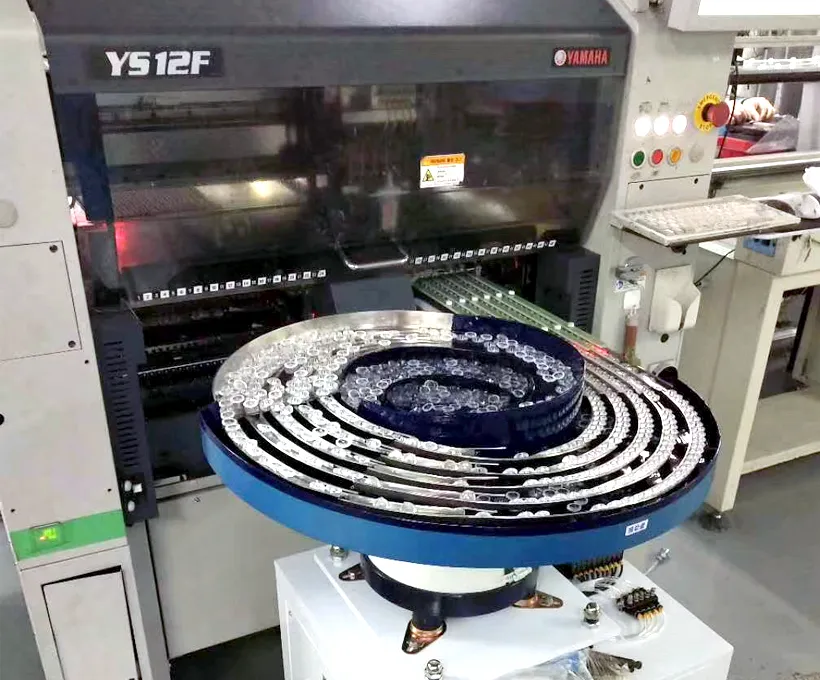
An evidence-based framework for choosing a lens feeding system for an 8–10 year duty: requirements, vibration technology, BOM, TCO, acceptance and the cases where you should not buy at all.
This guide is for engineers and buyers selecting an automatic lens feeder for the first time — or replacing a feeder that has been costing them downtime. It works as a checklist: read it once for the buying path, then come back to the scorecard and comparison table when you shortlist suppliers.
Bring four inputs and this guide becomes a decision tool: your lens portfolio with diameters and outlines, the peak consumption rate your line needs, the head and nozzle details of the placement machine the feeder will serve, and the weekly lens-change count. Those four answer most supplier questions before they are asked. If you are replacing a feeder, add a fifth input: the failure history of the existing machine.
Buying an SMT lens feeder is a capital decision, not a commodity order. Follow these eight steps in order — each one removes a specific risk before it becomes a production problem.
Document your lens portfolio, throughput target, pick-and-place brand and changeover frequency before contacting any supplier.
Decide single-frequency vs dual-frequency on real numbers — amplitude stability, rejection rate and changeover time — not brochure claims.
Request the full bill of materials with manufacturer part numbers for the PLC, pneumatics, sensors and linear rails.
Check business registration, factory substance, ISO 9001 certification, reference customers and patents.
Model purchase, shipping, duties, installation, maintenance and downtime over an 8-year horizon.
Never pay 100% upfront: use 70% T/T deposit + 30% before shipment (L/C at sight for established customers), with performance guarantees and a 30-day acceptance period.
Confirm Incoterms, HS code, import duties and Form E/F certificates before you sign.
Run the 48-hour aging test, trial the feeder with your own lenses, then scale with a pilot approach.
Document your production reality before contacting any supplier:
Write each requirement so a supplier can answer it with a number. The lens portfolio is a table: type, diameter, outline, material, coating, required nozzle orientation and monthly volume per type. Throughput is the peak hour your line must sustain, not the monthly average — averages hide the peaks that starve downstream equipment.
Count changeovers from the line log rather than estimating them: that number decides whether tooling, recipes and verification time are a marginal or a dominant cost. Add the environmental requirements in the same document — anti-static handling for coated optics, cleanroom class if the cell is audited, and the compressed air and power available at the point of use.
Finish with the acceptance threshold, stated as a number you would sign against: maximum rejection on the agreed lens set, minimum feed rate per channel, and the orientation tolerance the placement nozzle accepts. A requirement set like this helps at quotation stage: suppliers who can meet it answer in one round with a configuration and a price, while those who cannot will ask you to soften the threshold — useful information in itself.
A requirement is only usable by a supplier if every line can be answered with a number or a drawing. This is the sheet to complete before the first RFQ goes out.
| Requirement | Where the data comes from | How it appears in the order |
|---|---|---|
| Lens portfolio | Lens drawings, coating specification, monthly volume per type | Tooling list with one line per lens type and the orientation required |
| Peak feed rate | Line balance sheet and the placement machine’s lens consumption per hour | Minimum feed rate per channel, stated in seconds per lens |
| Quality threshold | Current rejection at AOI or final test, by cause | Maximum rejection on the agreed lens set, with the cause categories named |
| Changeover frequency | Production log for one week, counted rather than estimated | Number of recipes required and the changeover time to be verified |
| Machine interface | Head model, nozzle or vacuum cup data, presentation height allowed | Bracket scope, pick-up height and interface type (discrete I/O or Modbus TCP) |
| Environment | Cell cleanliness class, ESD requirement, air and power at the point of use | Documented configuration for ESD or cleanroom, with utilities listed |
| Traceability | Customer or audit requirement for feed and rejection data | Data fields to be logged and the protocol used to report them |
| Acceptance plan | Your own test protocol and the KPIs the line is measured on | Acceptance period, measured values and the remedies attached to them |
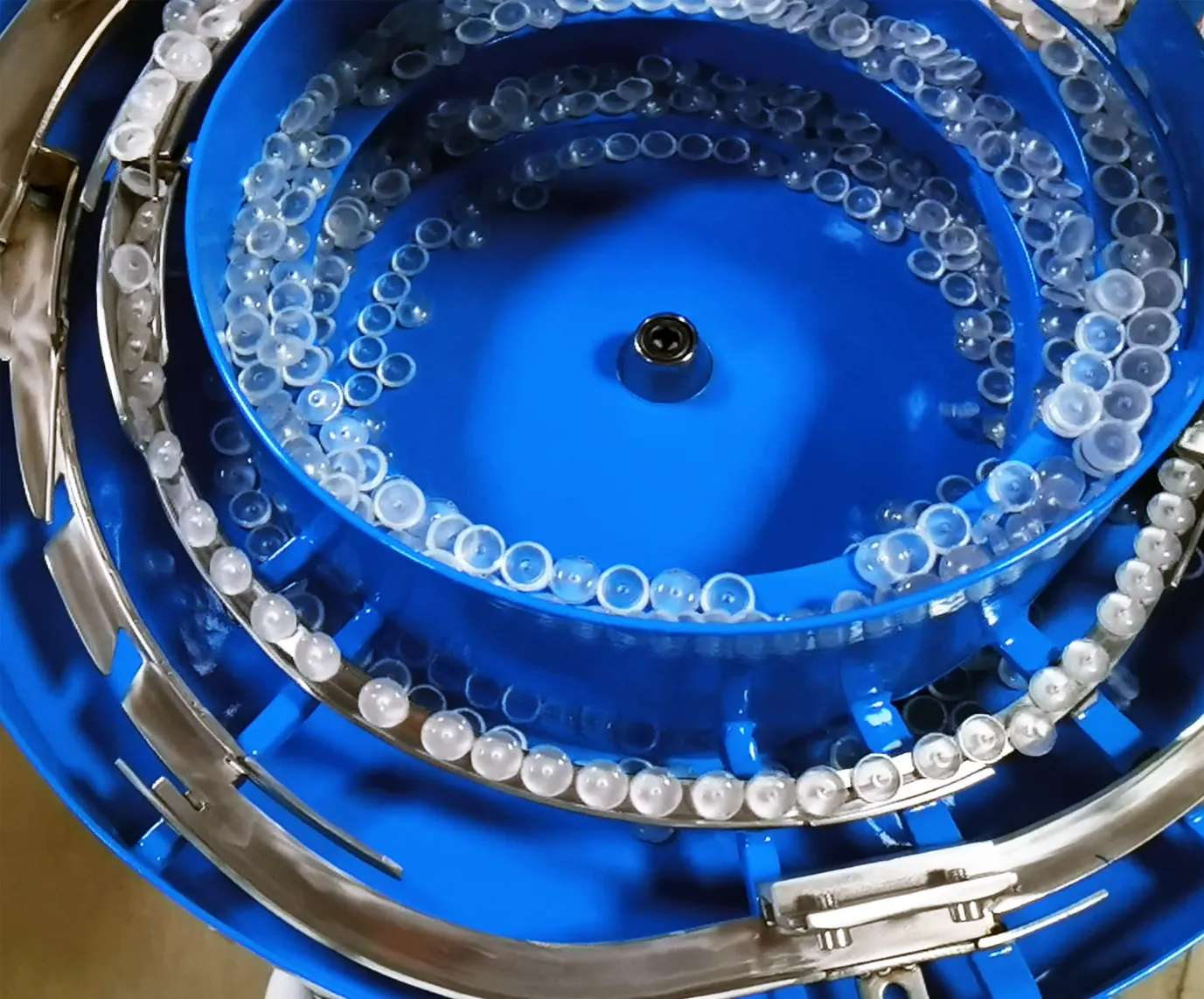
The single most important technical differentiator is the vibration technology. Compare the two options on real numbers:
| Feature | Single-Frequency | Dual-Frequency (DPS-2) |
|---|---|---|
| Amplitude stability | 15–30% variation | <5% variation |
| Rejection rate | 2–5% | <0.5% |
| Operator adjustments | Every 1–3 hrs | None (full shift) |
| Changeover | 10–20 min | <5 min (PLC presets) |
Vibration technology decides whether the feeder presents parts at a constant rate or drifts as the bowl empties, so compare numbers rather than architecture names. The measurable behaviors are amplitude stability across the bowl load, orientation repeatability at the escapement, and recovery time after a jam is cleared.
Ask for time-series amplitude data from a full shift: a single value cannot show drift, while a curve that stays flat from a full bowl to a nearly empty one shows the drive and its control loop are doing real work. The DPS-2 separates bulk circular feed from linear alignment and closes the loop on each drive, holding amplitude variation under 5% against the 15–30% typical of an uncontrolled single-frequency drive.
Second, measure what happens at the pick-up point. Orientation repeatability comes from the tooling and the track, so it cannot be transferred between lens types and should be quoted for your part with your tooling. That is why the comparison table ends in a test: rejection below 0.5%, typically 0.2–0.4% after tooling optimisation, is measured on a specific lens — any supplier who can reproduce it can show you the run.
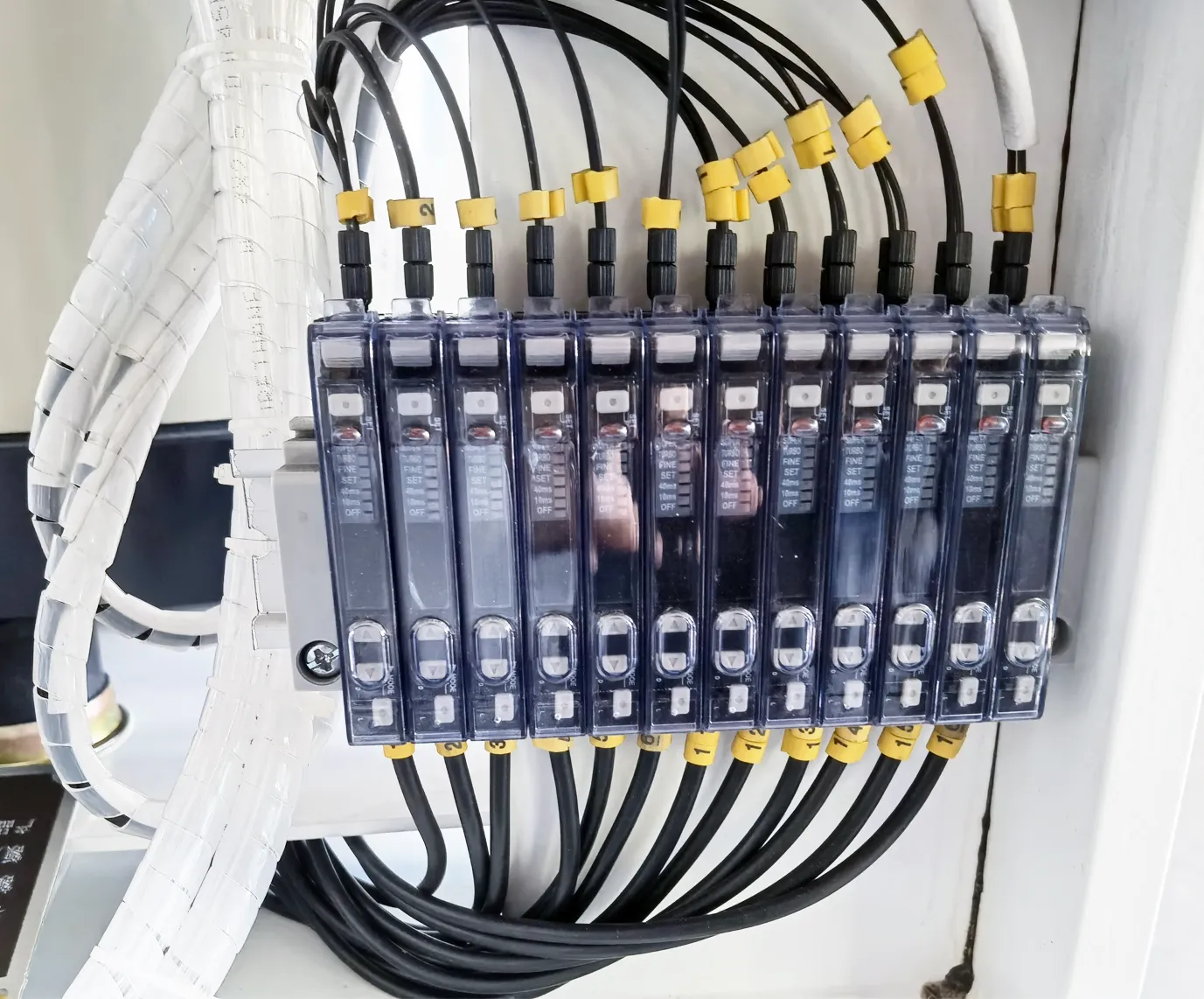
Request the full Bill of Materials with exact manufacturer part numbers. These components determine reliability and your ability to source spare parts locally in years 3–8:
A bill of materials is a purchasing document, so read it as one: manufacturer name, family and part number for the controller, the pneumatics, the sensors, the drives and the linear rails. Generic or unbranded equivalents in any of those positions change the failure profile of the machine and, more importantly, the availability of the spare in year three.
Two questions turn the BOM into an assessment: can you buy the part yourself in your own country if the supplier disappears, and does the supplier stock it — with what dispatch time? A feeder whose controller or sensing can be replaced from local stock is a different asset class from one whose electronics are a single-source module.
Where a BOM cannot be obtained, the specification sheet is the fallback, but only if it states amplitude stability and rejection for a defined lens, and only if a sample test is offered. Those two items — a measurable specification and a willingness to run your parts — are the cheapest indicators of engineering substance available to a buyer. Everything else on a brochure can be written by anyone.
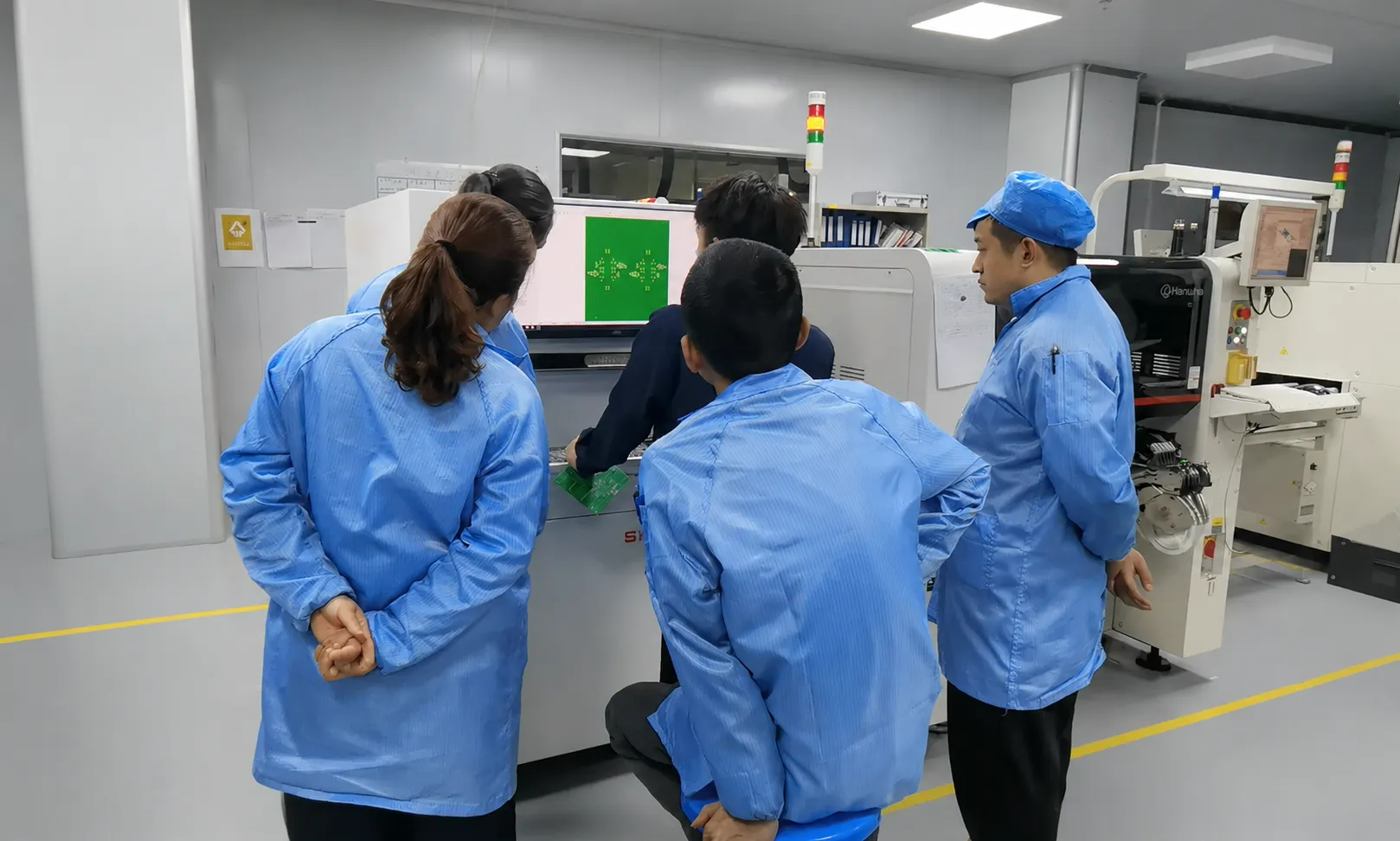
A real manufacturer survives verification; a trading company usually does not. Check all five:
Verification is a sequence, and each step is cheap. Start with the company registry entry: the registered scope should include manufacturing rather than sales or distribution only, and registered capital should match the size the supplier claims.
Then ask for a live video call rather than a gallery of photographs — the production floor, the assembly bays, the aging and burn-in area and the people in them are hard to fake in real time. Finally, verify the ISO certificate number on the certifying body’s public registry and read the scope line: a certificate covering sales rather than design and manufacturing does not answer the question you asked.
Fourth, call reference customers who run a comparable lens class and ask three questions that cannot be answered with marketing: how long the machine has run, what failed and how it was fixed, and how long the fix took. Fifth, search the patents behind any claimed technology. A supplier that manufactures answers all five in about a day. One that cannot has told you something important before any money moves.

Purchase price is only 30–40% of 8-year TCO. Build a model that includes purchase, shipping, duties, installation, preventive and corrective maintenance, consumables and downtime — the single largest TCO differentiator. Premium components fail 5–10x less frequently and enable 1–3 day repairs vs 1–3 weeks for generic parts.
Build the model from your own line data, not supplier assumptions: the largest item is downtime and it is priced differently in every factory. Purchase price is the easiest line to fill in and usually 30–40% of the eight-year total.
Add freight, duties and clearance as a landed cost; installation and commissioning including taking the line down and bringing it back; operator training; tooling for each lens type you may add later; preventive-maintenance consumables; spares by expected life; and unplanned stops priced at your own margin per hour of lost output.
Two sensitivities decide the answer. The first is failure frequency: premium components fail several times less often than generic equivalents and are repairable in days rather than weeks, so identical machines can produce very different downtime totals.
The second is changeover: on a high-mix line, minutes lost per lens change multiply by the changes per week and can outweigh the purchase-price difference within a year. Run the model twice — once with the supplier’s failure rate doubled — and see whether the decision survives the pessimistic case.
Lock in these protections before signing:
Send your actual lenses for a pre-purchase feeding test — never buy without validating on your own product.
Put performance guarantees, a 30-day acceptance period and neutral arbitration into the contract.
Never pay 100% upfront — use 70% T/T deposit + 30% before shipment, or L/C at sight for established customers.
Start with 1–2 units, measure for 90 days, then scale based on data.
Expert takeaway: selecting an SMT lens feeder is an 8–10 year decision. Evaluate on evidence — component quality, supplier substance and lifetime cost — rather than purchase price alone.
De-risking is a sequence of commitments that cost the supplier something to make, which is what makes them informative. A sample feeding test with your own lenses comes first: it converts the specification into measured data on your part.
Then a pilot — one or two units on a live line for a measured period, with the KPIs written down before the trial starts so the result is not interpreted afterwards. Then the contract: payment bracketing the build, performance guarantees in writing, an acceptance period with remedies, and a warranty naming response and spares dispatch times rather than best efforts. Only then does scaling to the full line order make sense.
Score every shortlisted supplier on the same eight dimensions. A supplier that passes all eight has manufacturing substance; one that fails on sample testing or payment terms should be dropped regardless of price.
| Dimension | What to Check | Pass Standard |
|---|---|---|
| Business registration | Company registry entry (gsxt.gov.cn) | Status shows “manufacturing”; registered capital consistent with claims |
| Factory substance | Live video tour or on-site visit | CNC machining, assembly lines, testing and aging areas visible |
| Quality certification | ISO 9001 certificate | Valid and verifiable on the certifying body’s website |
| Reference customers | Customer calls in your industry and region | Same-industry references willing to speak directly |
| Patents | Patent search on claimed technology | Key patents verifiable and held by the supplier |
| Sample testing | Send your real lenses for a feeding test | Measured rejection rate and amplitude stability on your product |
| Payment and contract | Proposed payment and guarantee terms | No 100% upfront; performance guarantees + acceptance period in writing |
| After-sales and warranty | Response time, spare parts, warranty scope | Documented response SLA and spare-parts availability |
Most feeder problems are bought, not born — they come from decisions made before the PO was signed. Avoid these eight:
Most of these mistakes are organisational rather than technical, which is why they recur. A purchase is driven by a quotation comparison that never reached the tooling or the spares list; the sample test is skipped because the project is late; the acceptance threshold is left unwritten because everyone assumes it is obvious.
The remedy is procedural: one document listing the eight scorecard dimensions, the measured sample-test results and the acceptance criteria as signed numbers, reviewed by the engineer who will live with the machine, not only by the buyer who negotiated it. Add a pre-mortem before the order: if this feeder leaves the line in eighteen months, what will the reason have been?
Run the scorecard above against the DPS-2 and the numbers line up — which is why we can offer a free 48-hour feeding test before you commit. The DPS-2 is a fully automatic lens vibratory feeder for SMT pick-and-place:
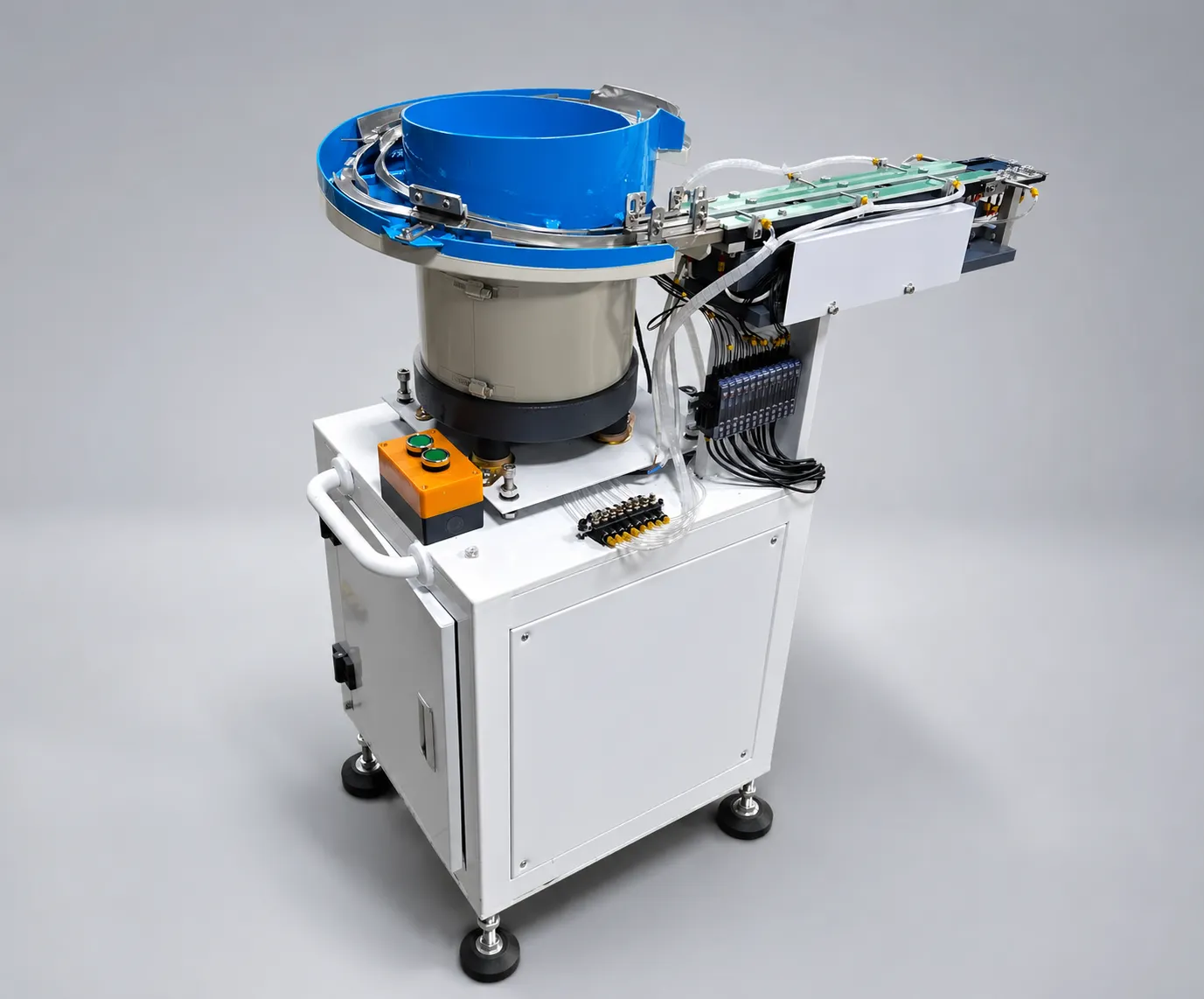

It handles 3–25mm lenses (inner/outer three-feet and four-angle reflection types), comes with 2 disc tracks expandable to 10, an ESD-safe bowl coating option, and is compatible with 6 pick-and-place brands. Every unit runs a 48-hour aging test before shipping.
See the feeder running with real lenses — then explore the DPS-2 product page for the full specification, or watch more JHIMS factory and machine videos on YouTube.
A cost model is only as good as its weakest line, and the weak lines in feeder projects are the ones nobody owns. Landed cost belongs to purchasing, installation to the line engineer, consumables to maintenance and downtime to production — three departments and four spreadsheets later, the comparison reaching management is purchase price alone.
Assemble the model in one place instead, express the horizon in years — a feeder bought for eight to ten years is depreciated over a period in which purchase price is a minority share — and state failure assumptions explicitly: jam frequency, sensor or drive fault frequency, and the response time you can realistically expect from each supplier.
The result is not a single number but a range, and the range is the useful output. Compare the optimistic and pessimistic cases side by side: a machine that costs more but shortens an unplanned stop from days to hours can win with room to spare, while a cheaper machine with a slow spares path can lose even if its components never fail more often.
Keep two further items in the model. Tooling for lens types you do not run today is a real future cost, quoted per type and sometimes significant. And operator time after automation is not zero — someone still loads lenses, monitors rejection and performs changeovers, so costing the manual station at full staffing and the automated one at zero overstates the saving.
Nine lines cover the whole eight-year horizon. Fill each one from your own records; the last two lines are the ones that usually decide the comparison.
| Cost line | What it includes | Source of the number |
|---|---|---|
| Landed purchase cost | Machine, configured channels, tooling for named lens types | Quotation with freight, duties and clearance added |
| Mounting and integration | Bracket, fixture work, presentation height setting | Supplier drawing plus your own line engineering estimate |
| Installation and commissioning | Line downtime during install, commissioning labor, verification run | Line calendar and the commissioning plan |
| Training | Operator and maintenance training days | Published training scope and your shift plan |
| Future tooling | Additional lens types at the quoted per-type price | Tooling price list in the quotation |
| Preventive maintenance | Consumables, cleaning, calibration interval | Maintenance schedule agreed at order |
| Spare parts | Parts expected to reach end of life inside the horizon | Spares price list with expected life per part |
| Unplanned downtime | Stop hours at your own margin per hour of lost output | Your failure history and the supplier’s stated response times |
| Changeover cost | Minutes per lens change, verified, multiplied by changes per week | Production log for changeovers and line rate |

There are configurations in which the correct engineering answer is to keep the manual station, and saying so early protects the project. The first is low volume on a single shift with low-value lenses: the labor and scrap saving is real but small, and the machine cannot repay itself inside a horizon most owners accept without other benefits such as traceability.
The second is a product line that changes faster than tooling can be amortised, typical of early prototyping where each revision needs new discs or track geometry before the previous set has paid for itself. The third is a factory with no problem to solve: rejection is already low, downstream equipment is not starved and no customer imposes incoming-quality requirements.
In those cases, consider the cheaper engineering moves first. Re-tooling an existing feeder that has the right drive and control but the wrong track is often a fraction of a new machine. A semi-automatic arrangement — an operator loading a bowl while the track and escapement handle orientation — can be right when orientation, not loading, is the source of defects.
Storage and handling changes upstream, such as tray or magazine presentation, sometimes remove the contamination blamed on feeding. If none of that applies and volume is growing, revisit the numbers when a second shift is added or lens value rises: that is usually where the arithmetic turns, and the sample test you run then will be faster because the requirements work is already done.
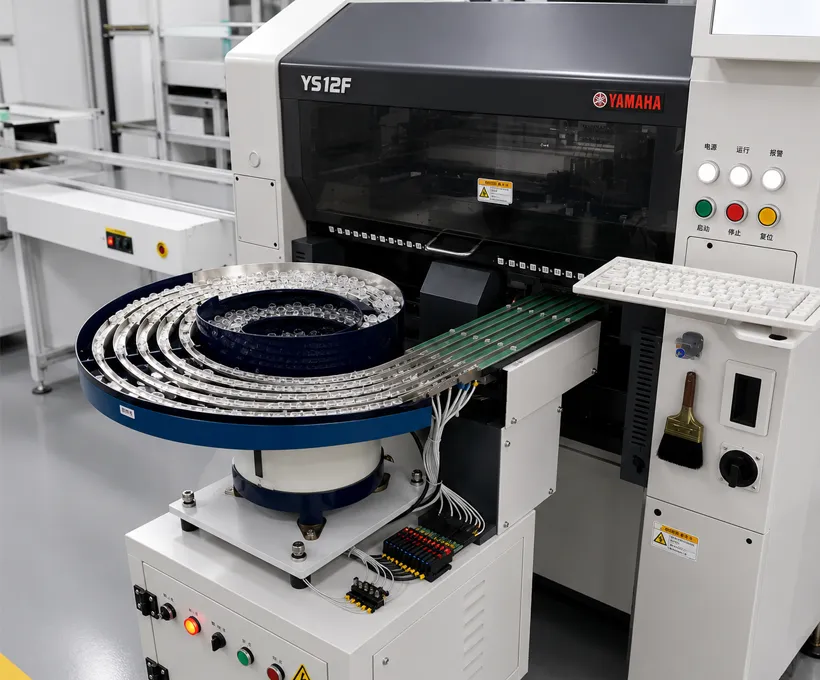 RecommendedJHIMS DPS-2Lens vibratory feeder for SMT pick-and-place · 0.5–1s per lens · <0.5% rejection · ±1mm alignment · 6 P&P brandsView product →
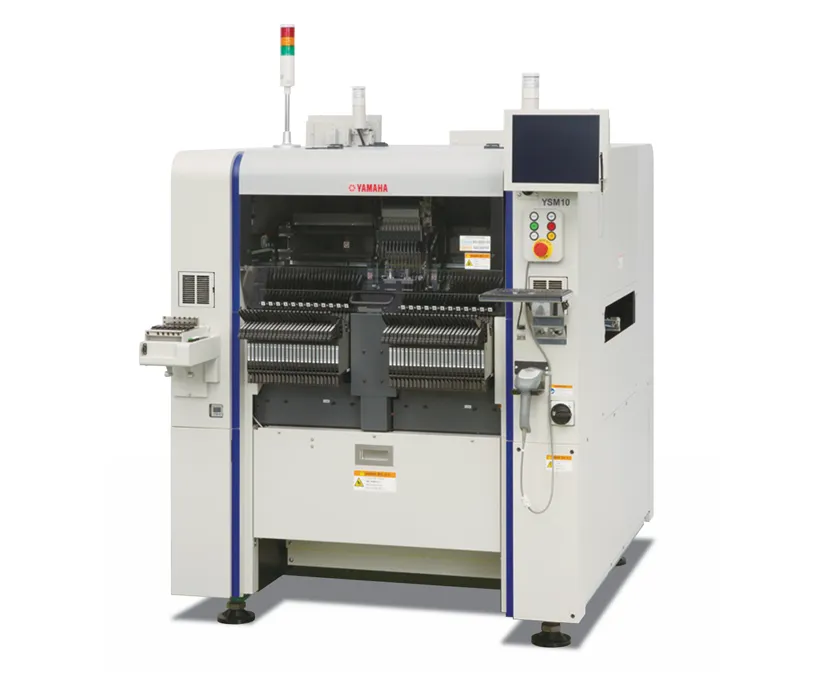 CompanionYamaha YSM10 MounterHigh-speed compact modular mounter – 46,000 CPH, 96 feeders, e-Vision + Side View.View product →
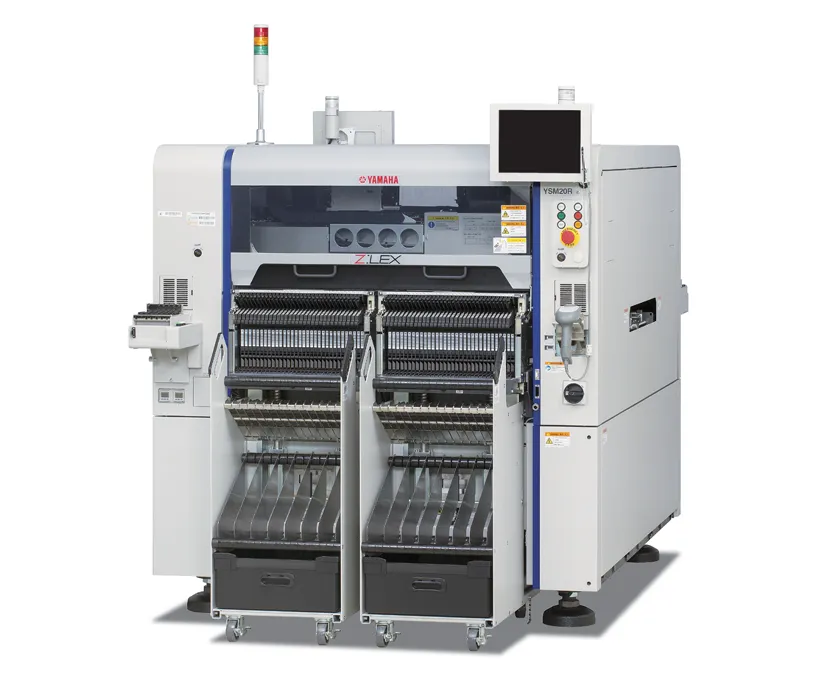 Yamaha YSM20R Pick and Place95,000 CPH modular mounter — pairs with DPS-2 lens feeding lines.View product →
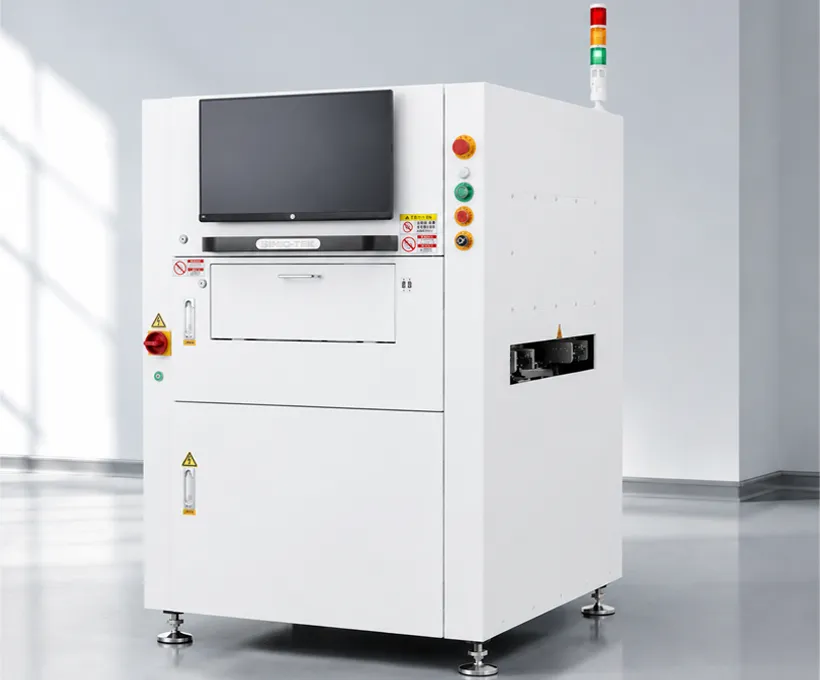 3D SPI Solder Paste InspectionCatch printing defects before reflow with 100% 3D paste inspection.View product →
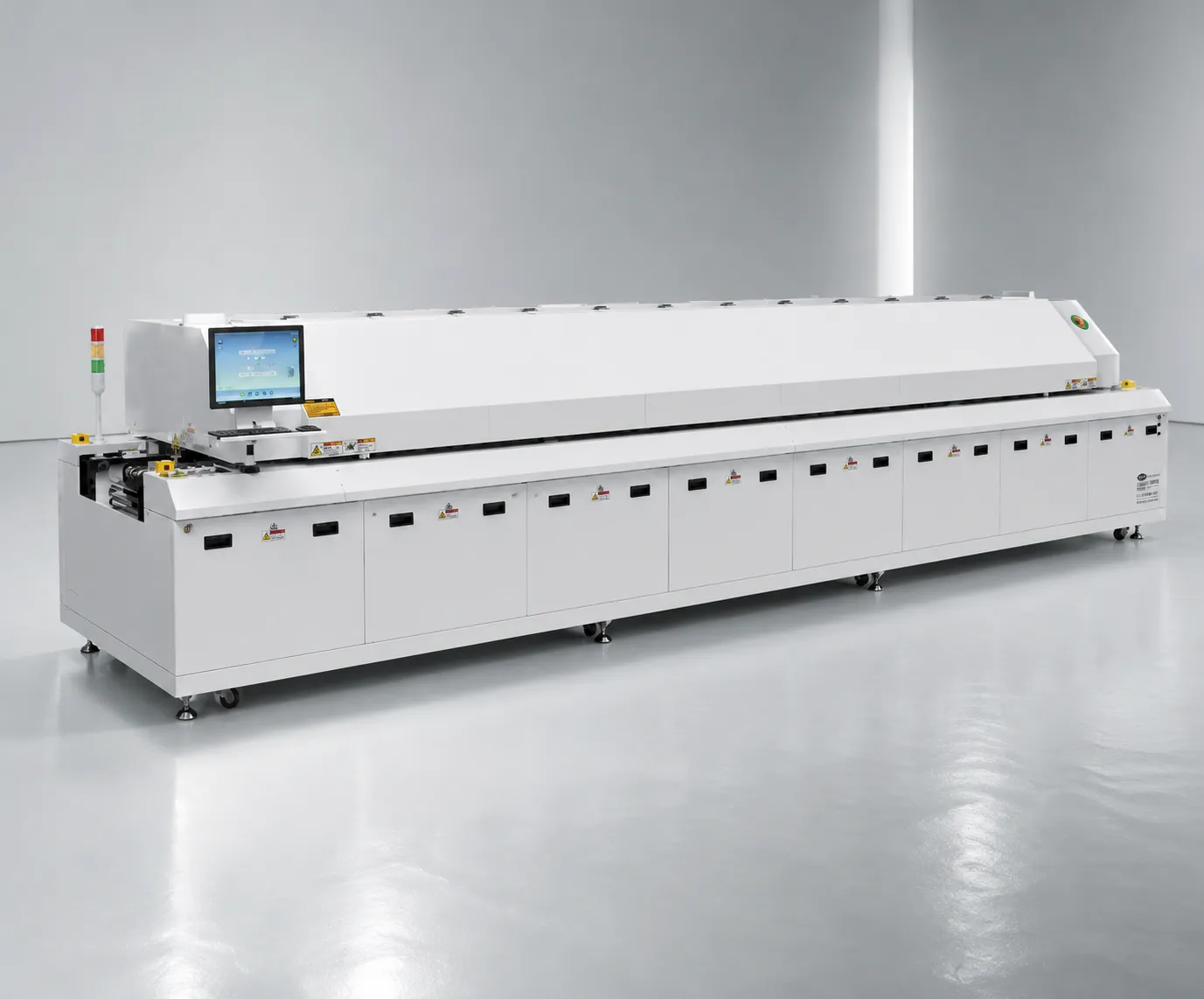 R10 Reflow OvenLead-free hot air reflow with stable thermal profiling for lens assemblies.View product →
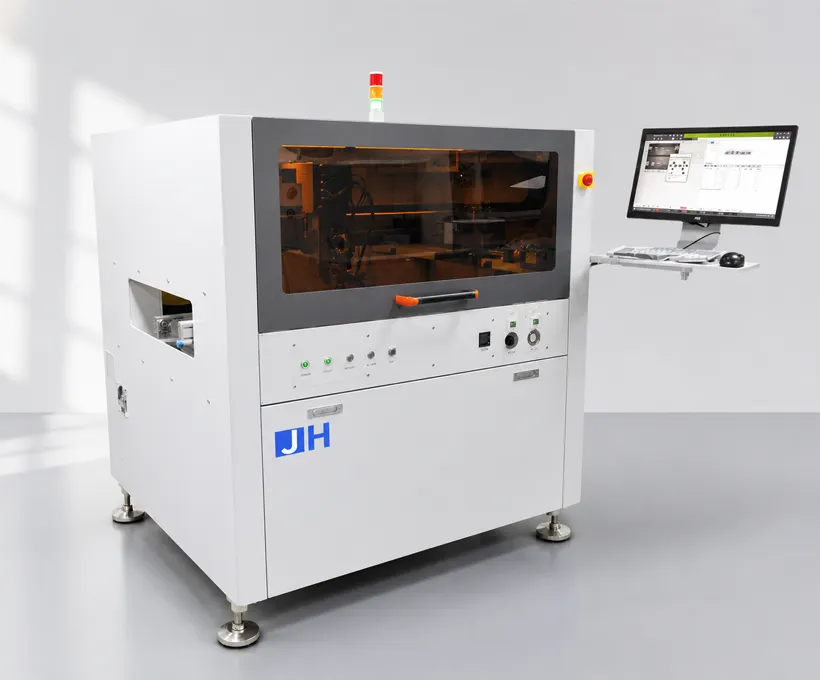 D900 Dispensing MachinePrecision dispensing for conformal coating and lens bonding steps.View product →
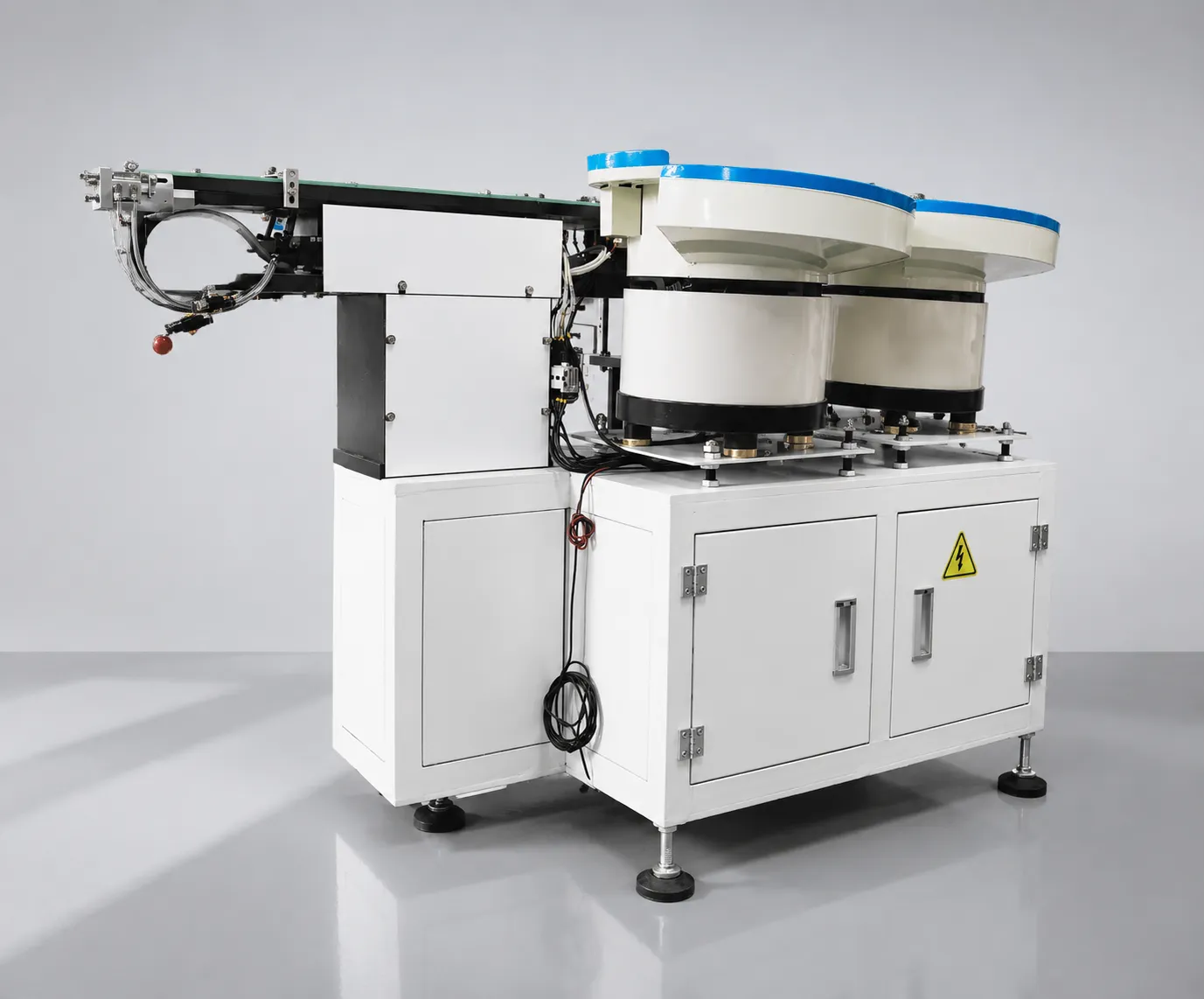 Case StudySMT Lens Feeder ROI Case StudyReal KPI transition: defect rate 12%→0.3%, UPH 900→3420, 7-month paybackRead article →
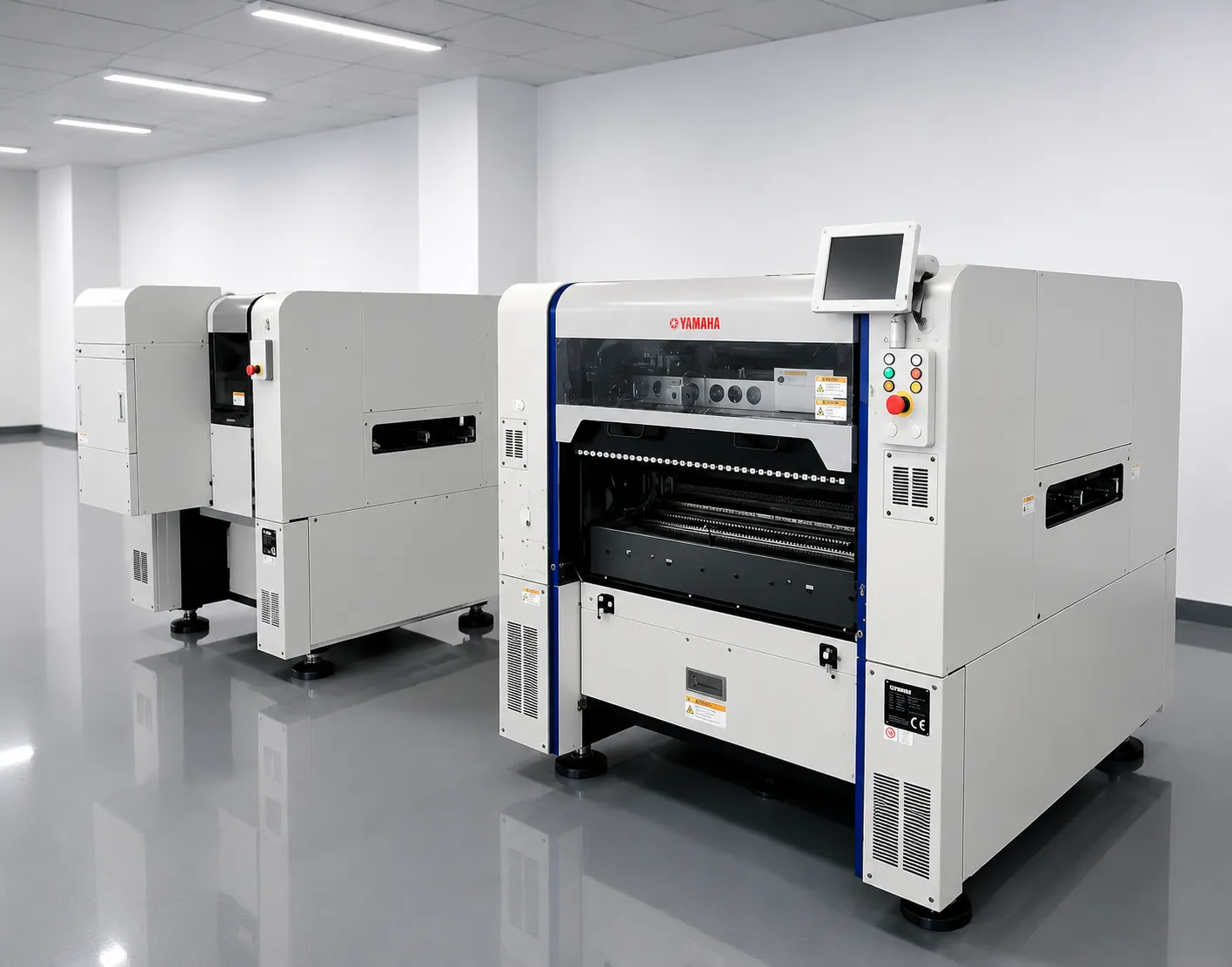 Buying GuideSourcing SMT Equipment from ChinaA risk-managed procurement guide: supplier verification, scorecards and payment protectionRead article →
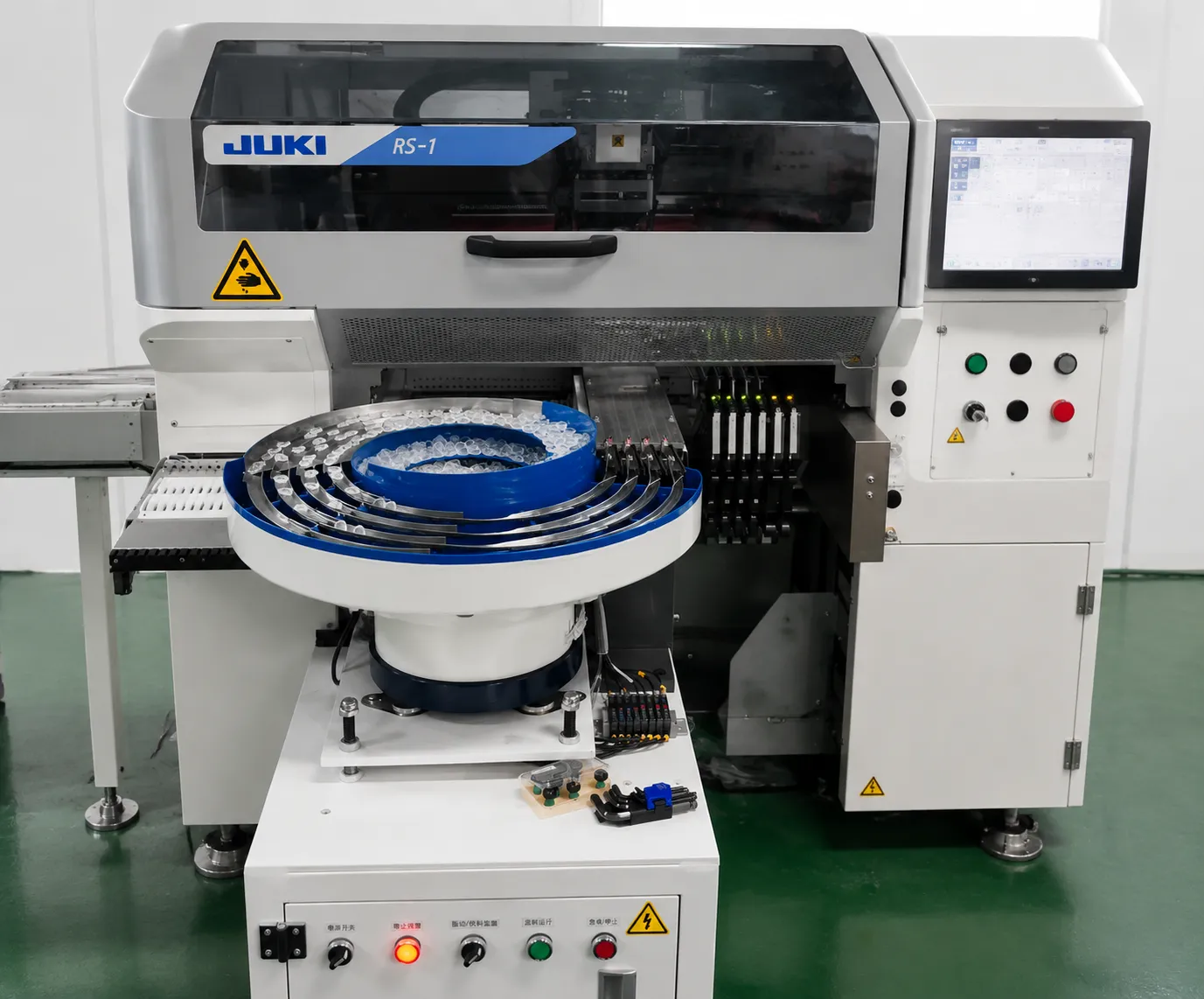 ComparisonManual vs Automatic SMT Lens FeederWhich feeding method is right for your production?Read article →
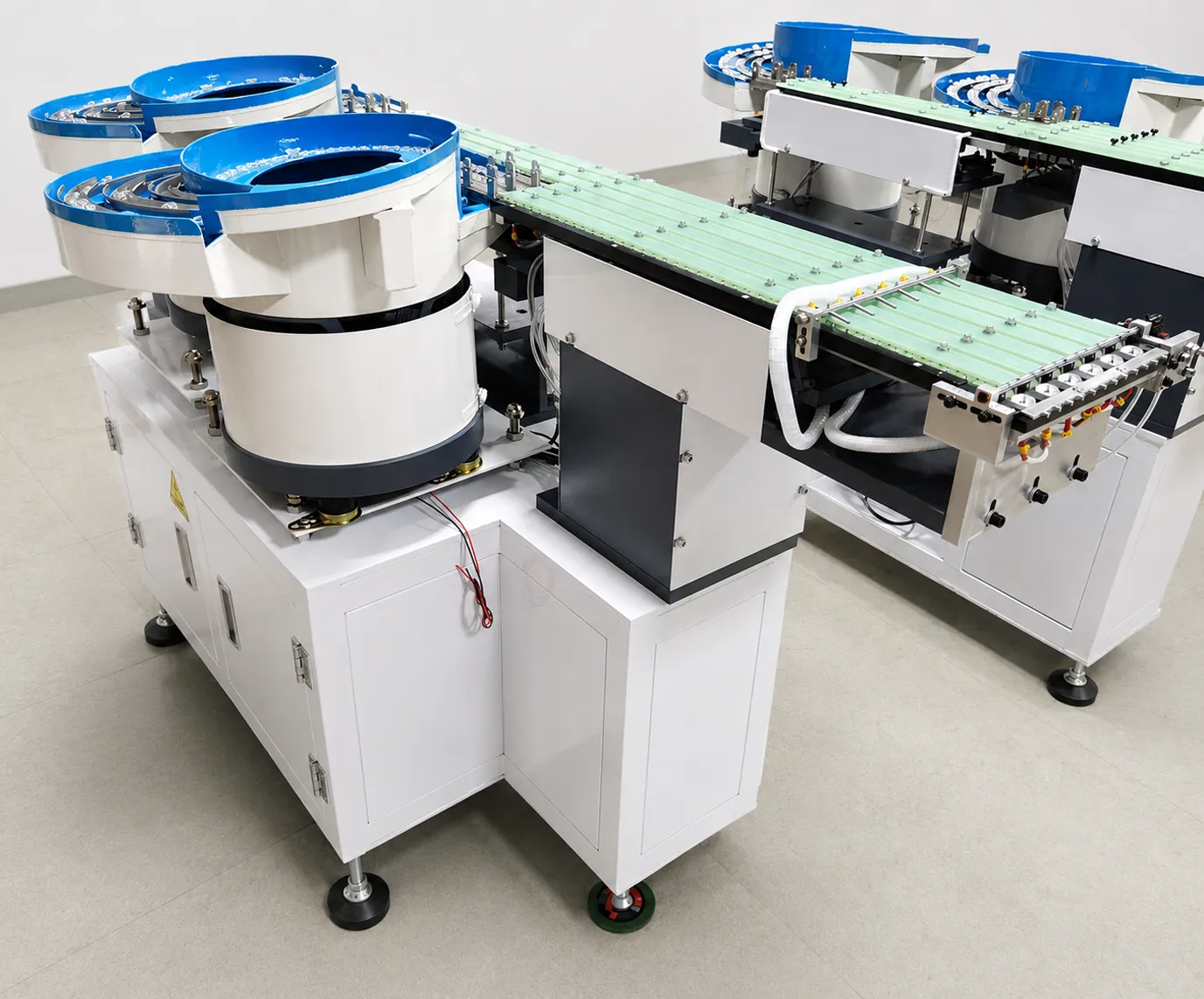 ComparisonDual vs Single Frequency Vibratory FeederTechnical comparison of the two vibration technologiesRead article →
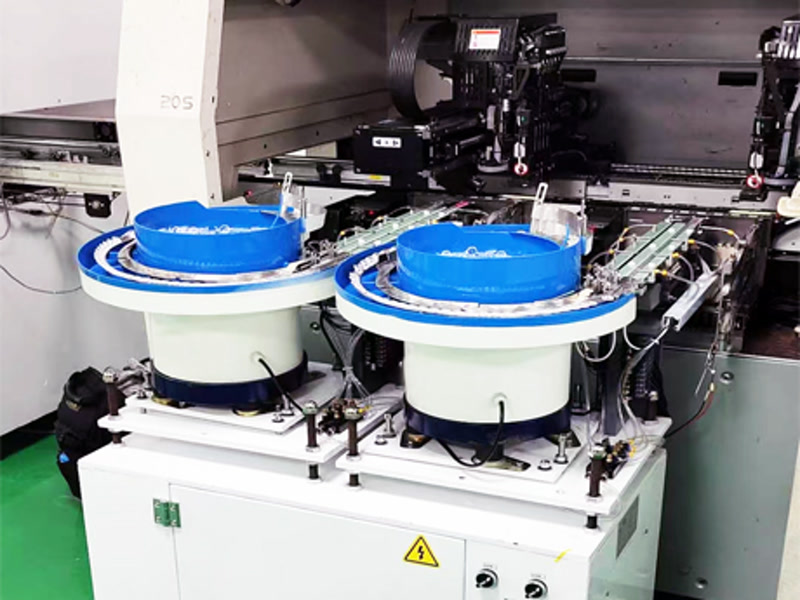 Case StudySMT Lens Feeder Case: TV Backlight in XiamenLens feeder deployment on TV backlight production linesRead article →
 Case StudyLens Vibrating Feeder Case: LED Lighting in RussiaVibrating feeder case study in LED lighting productionRead article →
Send lens samples for a free 48-hour feeding test — the most important step in your feeder selection. You measure, we report, and you decide with data.
More buying and process guides are in our technical blog.