Address
Building A1, Runteng Industrial Park, No. 4 Xishan Road, Longteng Community, Shiyan Subdistrict, Bao'an District, Shenzhen 518000, China
Work Hours
Monday to Saturday: 09:00 – 23:00 (UTC+8)
Sunday: closed
Address
Building A1, Runteng Industrial Park, No. 4 Xishan Road, Longteng Community, Shiyan Subdistrict, Bao'an District, Shenzhen 518000, China
Work Hours
Monday to Saturday: 09:00 – 23:00 (UTC+8)
Sunday: closed

Risk-managed procurement of SMT equipment in China: supplier verification on a live RFQ, payment and contract terms, and how to keep the warranty enforceable after delivery.
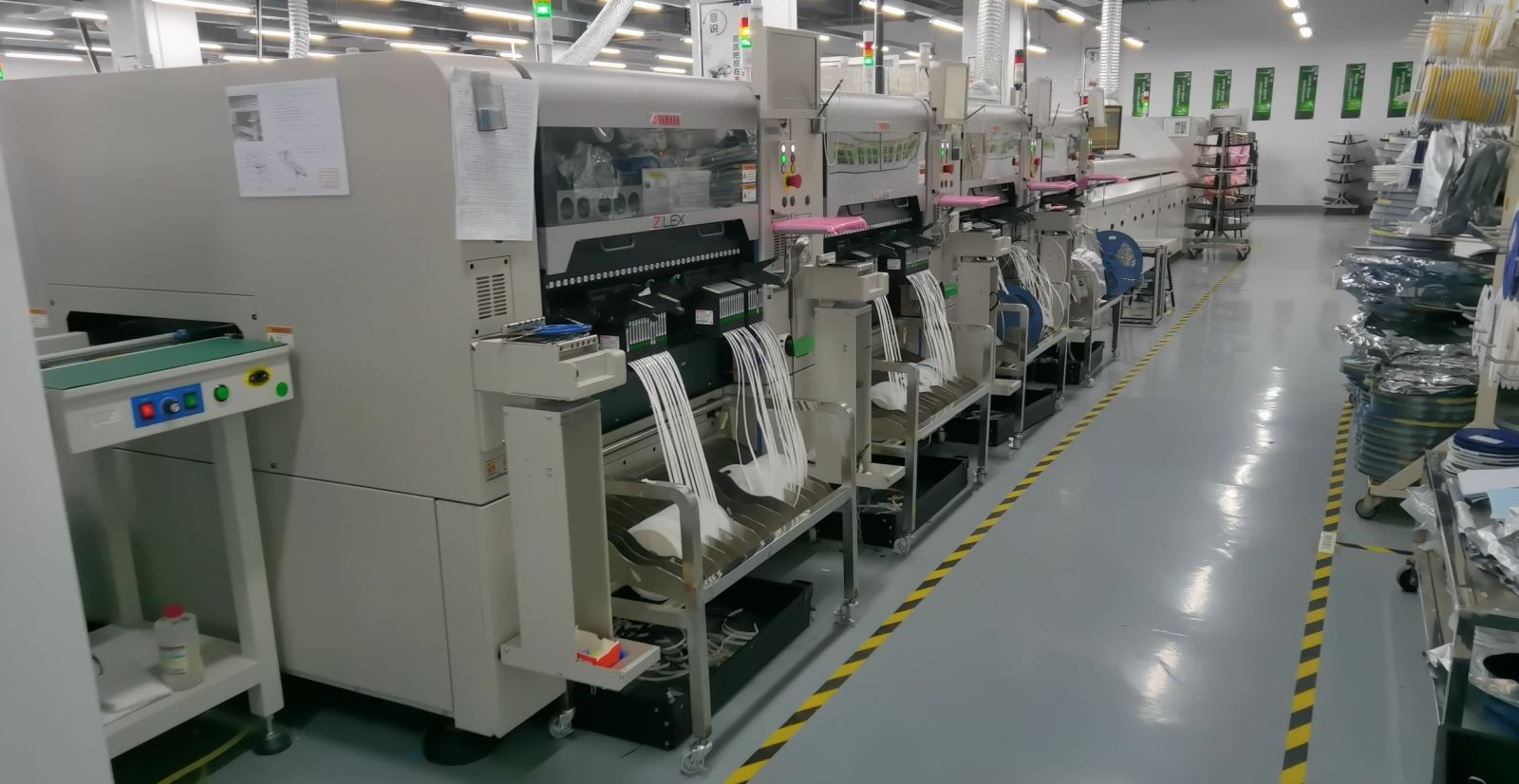
A risk-managed route to buying SMT equipment in China — verify on a live RFQ, fix payment terms, keep the warranty enforceable after delivery.
For first-time SMT equipment buyers in China — and for anyone burned by a supplier that was only a middleman.
Run it on a real purchase: the checks cost a few hours and go to 3–5 candidates in parallel, so all answer the same questions.
A supplier who answers all five in a working day makes the shortlist; one who defers the fifth shows how a warranty claim will be handled.
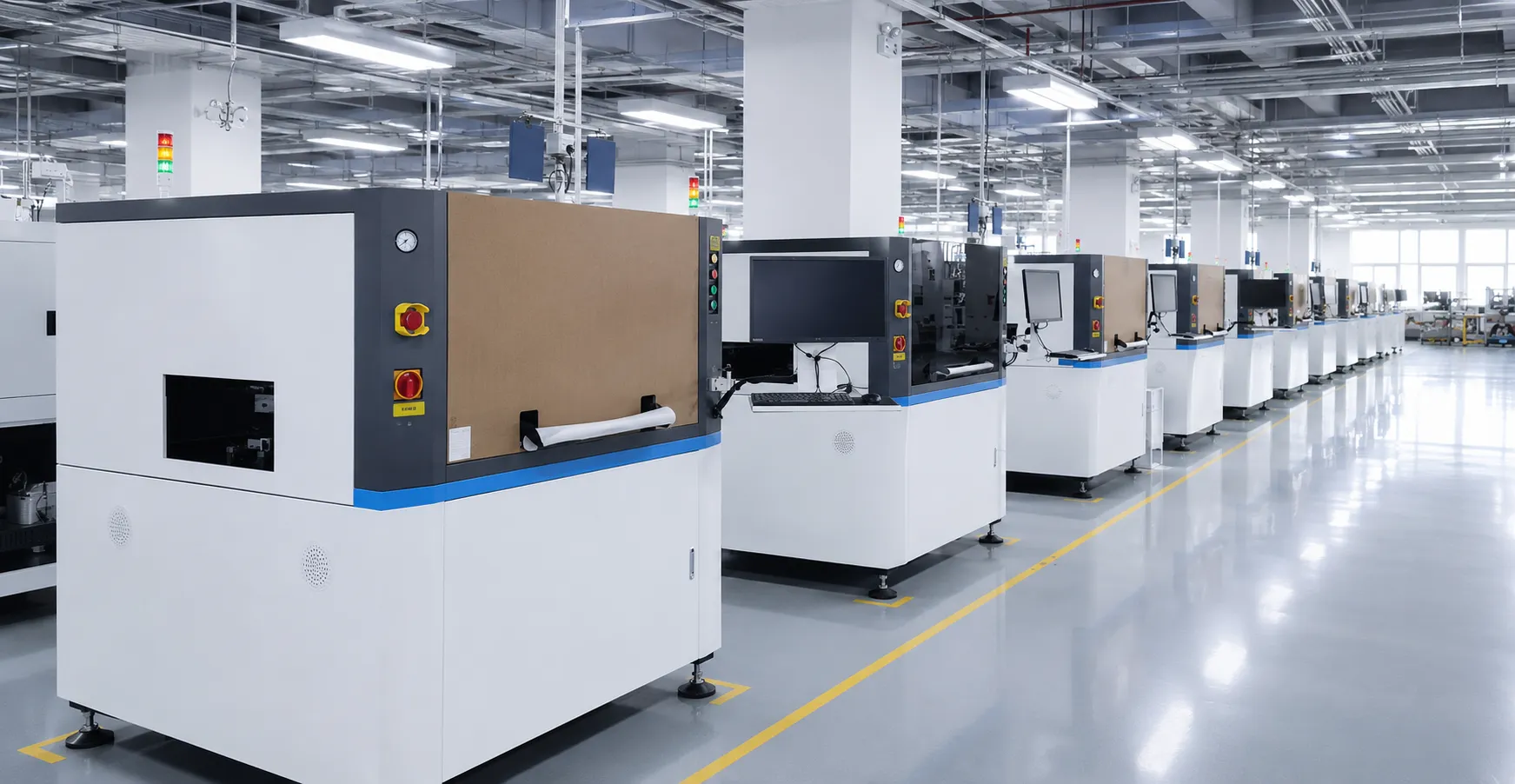
SMT equipment is a capital decision, not a commodity order. Follow these eight steps in order — each removes a risk.
Document line configuration, machine types, throughput target, PCB and component portfolio, budget and timeline first.
Identify 3–5 candidates from B2B platforms, referrals and trade shows. Leverage comes from a shortlist.
Check registration, factory substance, ISO certification, references and patents for every candidate.
Score each supplier against the scorecard. Drop any that fails on verification, payment terms or sample testing.
Never pay 100% upfront: use 70% T/T deposit + 30% before shipment, or L/C at sight for large orders and new suppliers.
Put performance guarantees, a 30-day acceptance period, warranty scope, bilingual terms and neutral arbitration in writing.
Confirm Incoterms, HS code, import duties and Form E/F eligibility with your customs broker.
Inspect on arrival, test against guaranteed specifications, verify burn-in, then scale with a pilot.
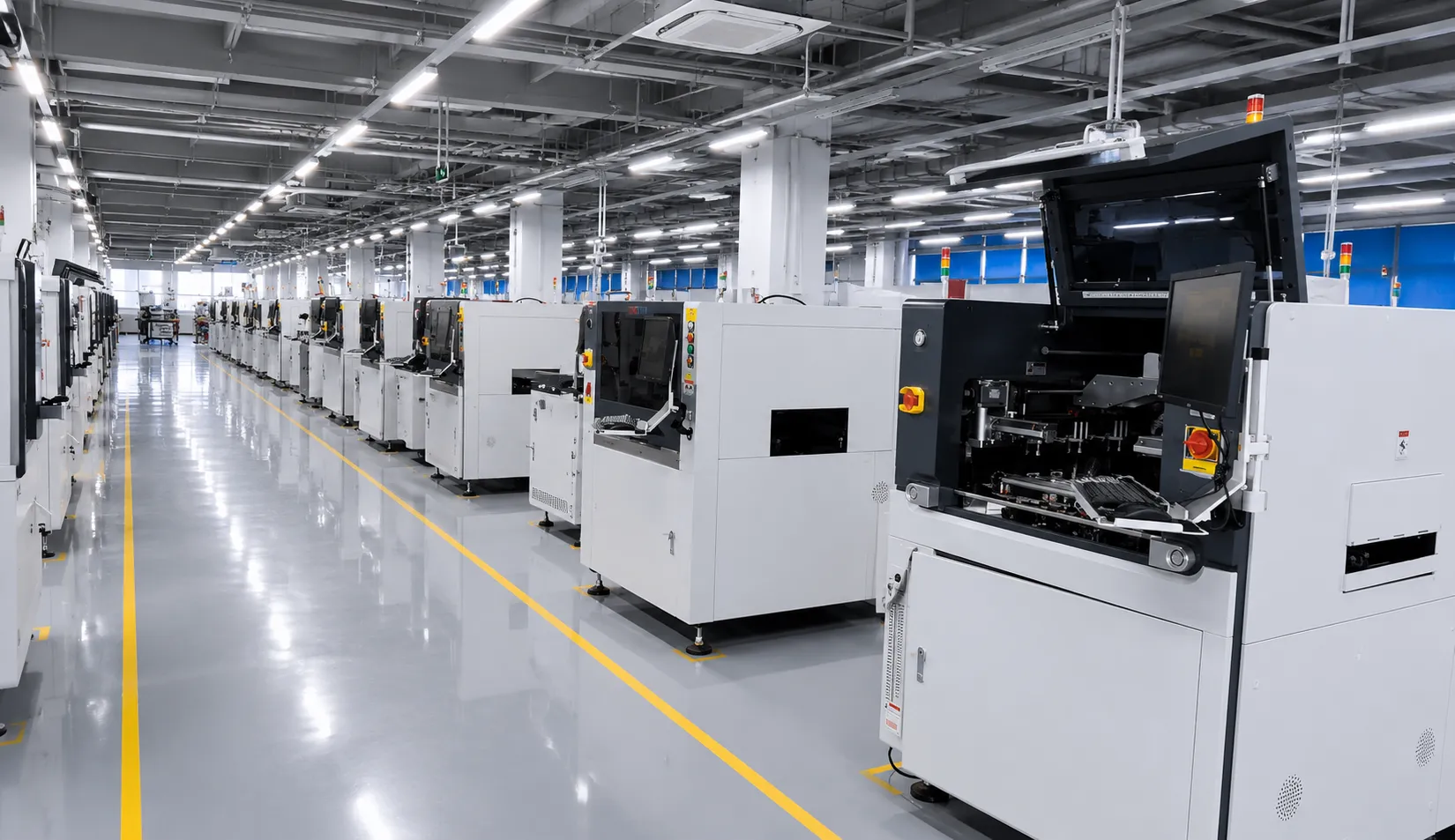
Manufacturers design, build and quality-control in their own factory; traders resell from several factories with no control. Platform audits suggest 60–70% of “factory” claims on Chinese B2B platforms are resellers.
Not every trading company is a scam, but you buy through a middleman: no control over quality, no floor to audit, weak warranty enforcement.
| Dimension | Genuine Manufacturer | Trading Company |
|---|---|---|
| Production control | Own factory; in-house assembly and testing | Outsourced; no factory floor to audit |
| Quality control | In-house QC with burn-in / aging tests | Relies on its suppliers; inconsistent |
| After-sales | Direct engineering support and stocked spare parts | Broker; support depends on the actual factory |
| Verification | Passes live factory tour and registration scope check | Often fails registration scope or cannot show a floor |
| Price | Higher than pure traders — reflects real cost | Lower sticker price, higher risk and rework cost |
| Risk profile | Manageable with the verification process below | Disappearance risk; warranty hard to enforce |
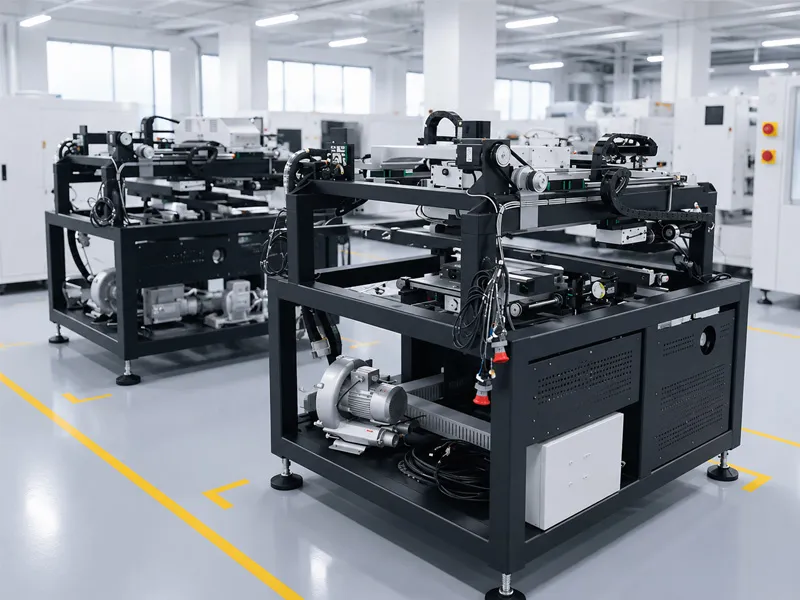
Run all five checks in order on every shortlisted supplier. A real manufacturer passes all five; a trading company fails by step two.
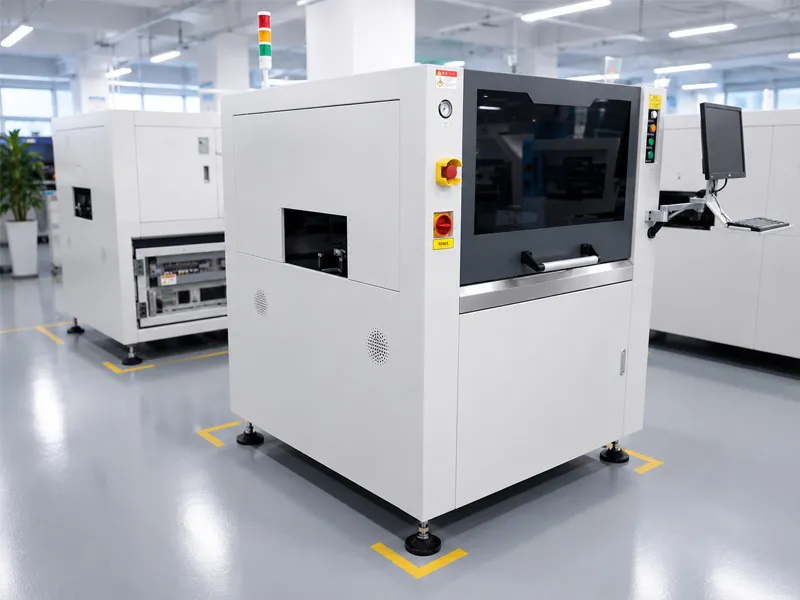
Official Registry1. RegistrationSearch the company on gsxt.gov.cn; the business scope must include “manufacturing”.Learn more →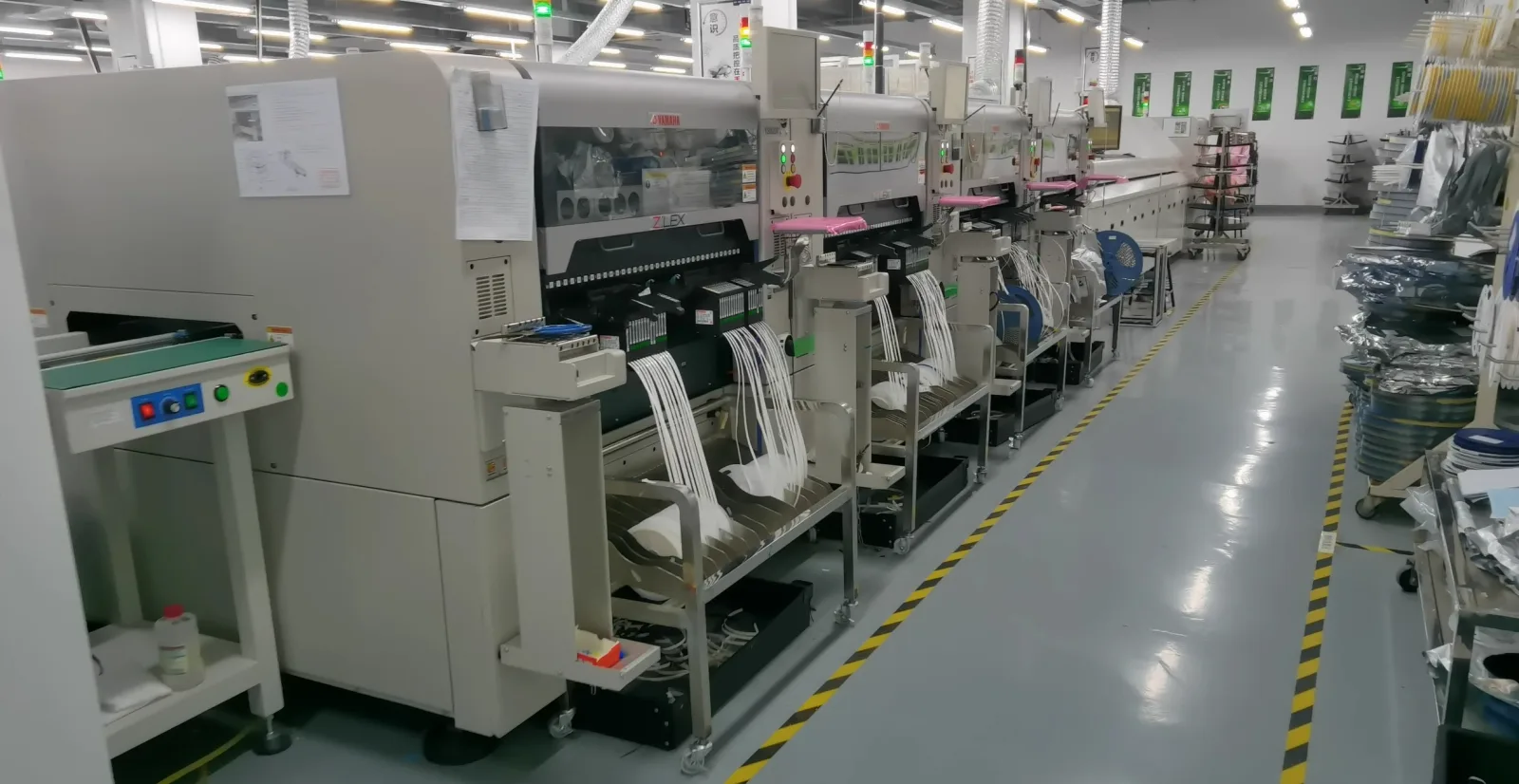 Video Evidence2. Factory TourRequest a real-time video tour: machining, assembly, burn-in testing and headcount.Learn more →
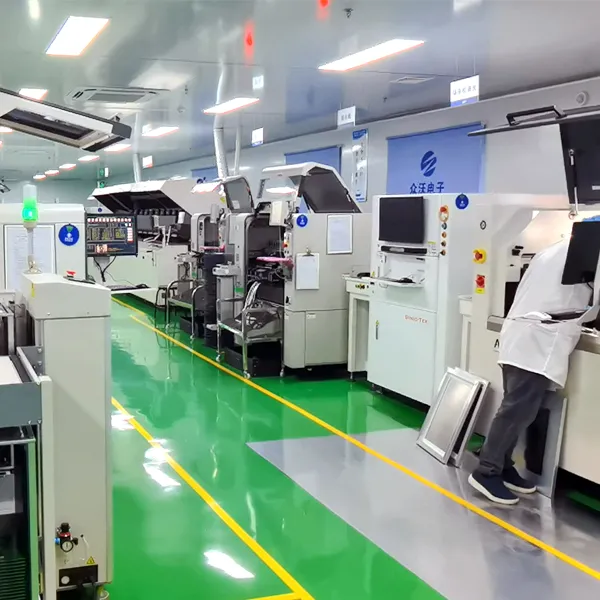
 Registry Check3. CertificationVerify the number on the SGS/TÜV/BSI registry; scope “design and manufacturing”.Learn more →
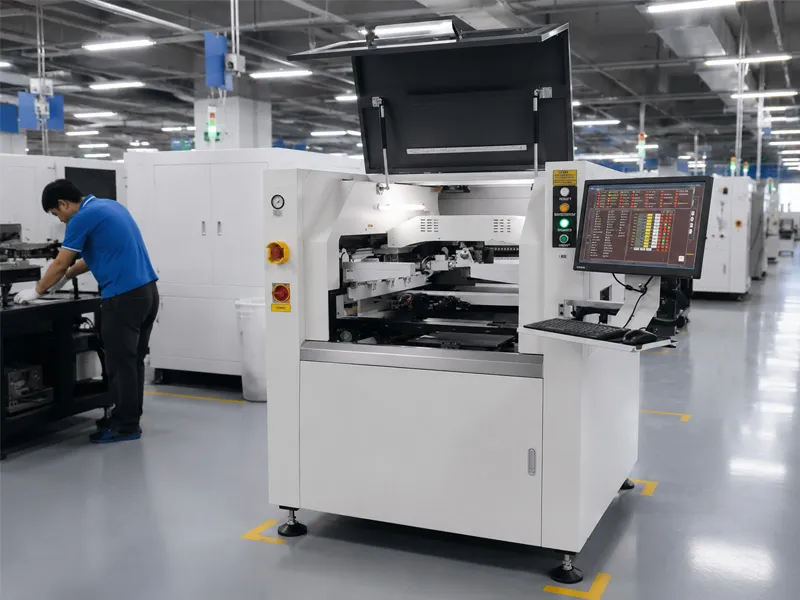
 Customer Calls4. ReferencesAsk for 2–3 customers in your industry and call them: response time, spare parts, specs.Learn more →
 Patent Search5. PatentsIf proprietary technology is claimed, check the patent number in the CNIPA database.Learn more →
 Tooling6. Machining CapabilityMost concrete part of a live tour: the machines and parts being cut are there, or not.
Score every supplier on the same eight dimensions — a repeatable evaluation. Drop any that fails on sample testing or payment terms, at any price.
| Dimension | What to Check | Pass Standard |
|---|---|---|
| Business registration | Company registry entry (gsxt.gov.cn) | Scope shows “manufacturing”; registered capital consistent with claims |
| Factory substance | Live video tour or on-site visit | Machining, assembly, test and aging areas visible |
| Quality certification | ISO 9001 certificate (or applicable standard) | Valid and verifiable on the certifying body’s registry; scope = design & manufacturing |
| Reference customers | 2–3 calls in your industry and region | Same-industry references willing to speak directly |
| Patents | Patent search on claimed technology | Key patents verifiable and held by the supplier |
| Sample testing | Machine demo or sample run on your product | Measured specification (rejection rate, UPH) on your product |
| Payment and contract | Proposed payment and guarantee terms | No 100% upfront; performance guarantees + acceptance period in writing |
| After-sales and warranty | Response time, spare parts, warranty scope | Documented response SLA and spare-parts availability |
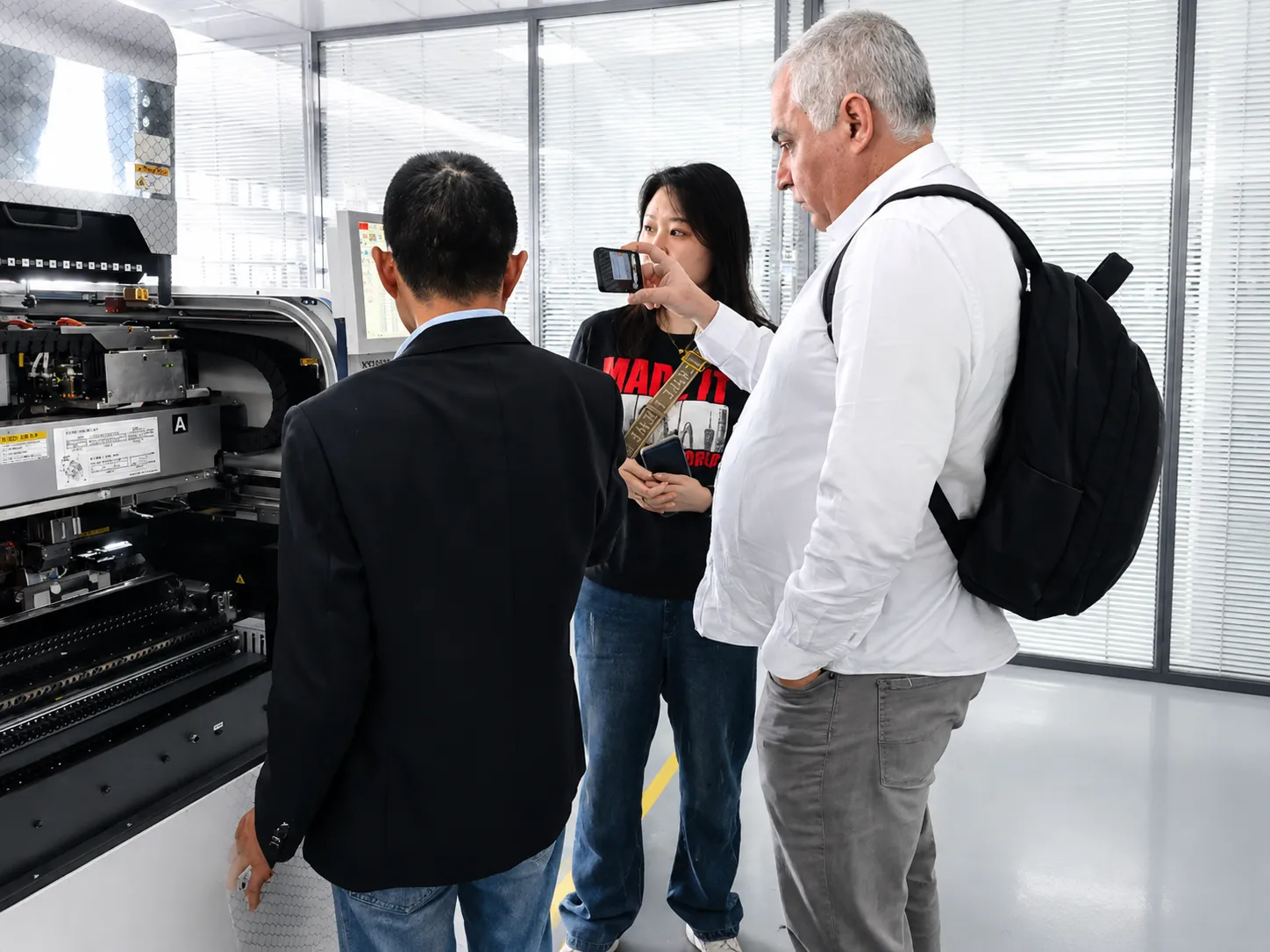
Never pay 100% upfront — payment is your strongest lever. JHIMS terms: 70% T/T deposit + 30% before shipment, L/C at sight for established customers.
| Method | Protection Level | How It Works | Best For |
|---|---|---|---|
| L/C at Sight | Strongest | Bank pays only against compliant shipping documents | Large orders, new suppliers, first-time buyers |
| 70% T/T deposit + 30% before shipment | Strong (recommended) | Balance paid against the pre-shipment inspection report, photos and video | Most SMT equipment purchases |
| Platform guarantee / escrow | Strong | Payment held until you confirm delivery | Platform-mediated first orders |
| 100% T/T upfront | ❌ Avoid | Full payment before any evidence of production | Never for a new supplier |
| Personal bank account | ❌ Avoid | Payment to an individual, not a company | Never — a fraud red flag |
A handshake and a proforma invoice are not a contract. Before any deposit, cover six items in writing — resistance to any is a warning sign.
Freight, duties and clearance add 10–25% to the quoted price — or cut 5–15% with the right preference certificate. Plan these four first:
Most sourcing failures are bought, not born — the damage is done before the PO is signed. Avoid these eight:
The pitfalls fall into two families. First, verification debt: checks skipped, certificates accepted as PDFs, references never called.
The fix is procedural: put the five checks in the purchase calendar with dates; an unanswered check is a failed check.
Second, commercial optimism: paying 100% upfront for a discount, choosing EXW on a first order, or having no acceptance plan.
The fix is the same document: performance guarantees, an acceptance period, the Incoterm decision and landed-cost calculation must all land before the deposit.
JHIMS (Shenzhen Jinghe Technology Co., Ltd.) has manufactured industrial automation equipment in Shenzhen since 2012 and is ISO 9001:2015 certified. Test us the same way:
Method applied: the automatic SMT lens feeder guide for an 8–10 year decision, the turnkey factory case study, and the L12 printer for panels up to 1,200 × 350 mm.
Watch our factory and machine videos on YouTube before you call us.
Verification pays off only if it runs before negotiation closes. Calendar: certificate checks in week one, tours and references in week two.
Same RFQ package to every candidate:
A price alone means the engineering conversation was skipped; a configuration, lead time in working days and exclusions in writing mean it was read.
Align every quotation on the same Incoterm, commissioning and spare-parts list. A 40–60% saving counts only against comparable equipment.
Second question: what if the machine does not meet the agreed spec after installation? A supplier citing a contract clause, measurable values, an acceptance period and a remedy is held to the numbers.
Best efforts is a supplier to drop, however competitive the price — an unenforceable promise is paid for later, in full.
The RFQ package below makes answers comparable. Send the same items to every candidate and score the replies.
| RFQ item | What to send or ask | What a serious answer looks like |
|---|---|---|
| Specification | The machine or feeder you need, with product and lens data | A configuration with model, channel count and options, not a generic price list |
| Verification | Request for registry scope, live tour, certificate number, references, patents | Answers to all five, with a tour date offered inside the same week |
| Acceptance criteria | The measurable output you will accept the machine against | A contract clause with defined values and a stated acceptance period |
| Payment structure | Your proposed deposit and balance terms | Agreement to 70% deposit and 30% before shipment, or L/C at sight |
| Incoterm | The term you want quoted, DDP preferred for a first order | A DDP or CIF quotation with freight and clearance identified separately |
| Documentation | Test records, machine documentation, warranty statement, spare-parts list | A list of what is delivered, with timing, not a promise to provide it later |
| Lead time | Build time and shipping method to your site | Working days for build plus air or sea transit, with the customs step named |
| Exclusions | What is not covered by the quotation | A written list: on-site labor, duty, air supply preparation, extra tooling |
The most underestimated risk starts when the machine runs: parts were built elsewhere, so the question is not whether a part fails but how many days the line waits.
Ask for a spare-parts list with prices and dispatch times first:
Where the control platform uses open industrial components, the same part can often be bought locally, shortening the wait without the supplier.
Warranty enforcement needs a definition, a measurement and a remedy route:
A machine only the supplier can set up is a permanent dependency. Budget one to three days of operator training and a maintenance session at commissioning.
Collect what future claims need: acceptance and test records, machine documentation set, warranty statement, spare-parts list with part numbers.
The table lists the post-delivery exposures that decide the real cost of an imported machine, and the clause that answers each.
| Post-delivery risk | The exposure | What to agree before the order |
|---|---|---|
| Wear parts | Line stops waiting for a low-value item | Local stock list agreed at order and shipped with the machine |
| Electronics and modules | Days of downtime per failure | Spare-parts price list with a stated dispatch time in the contract |
| Process knowledge | Only the supplier can set up or re-tune the machine | Operator and maintenance training during commissioning |
| Warranty scope | Dispute about what is covered, and who pays freight and labor | Written warranty statement naming parts, labor, freight and duration |
| Diagnosis time | Slow fault isolation across time zones | Named contact with a response-time commitment and remote diagnostic process |
| Documentation | Acceptance evidence missing when a claim is raised | Handover file: test records, machine documentation, certificates |
| Tooling for new products | Later tooling becomes single-source and priced accordingly | Tooling price list and lead time agreed at the original order |
| Software and recipes | Parameters lost after a fault or a replacement part | Backup of machine parameters and recipes, with restore procedure |
| Repeat orders | Second machine arrives to a different specification | Configuration record kept against the serial number |
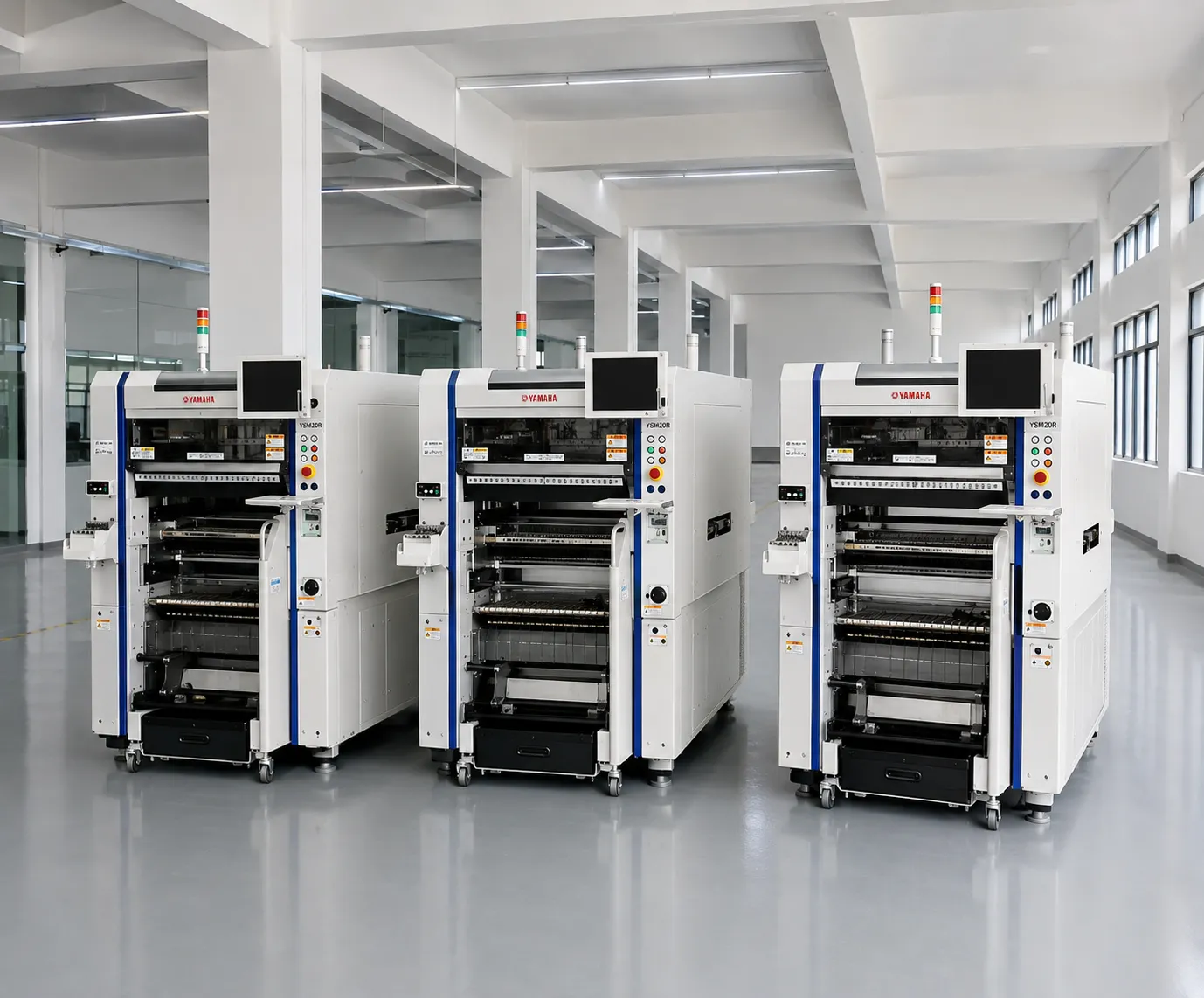
From solder paste printing to inspection, JHIMS supplies these machines factory-direct: one contract, one owner, one verification process.
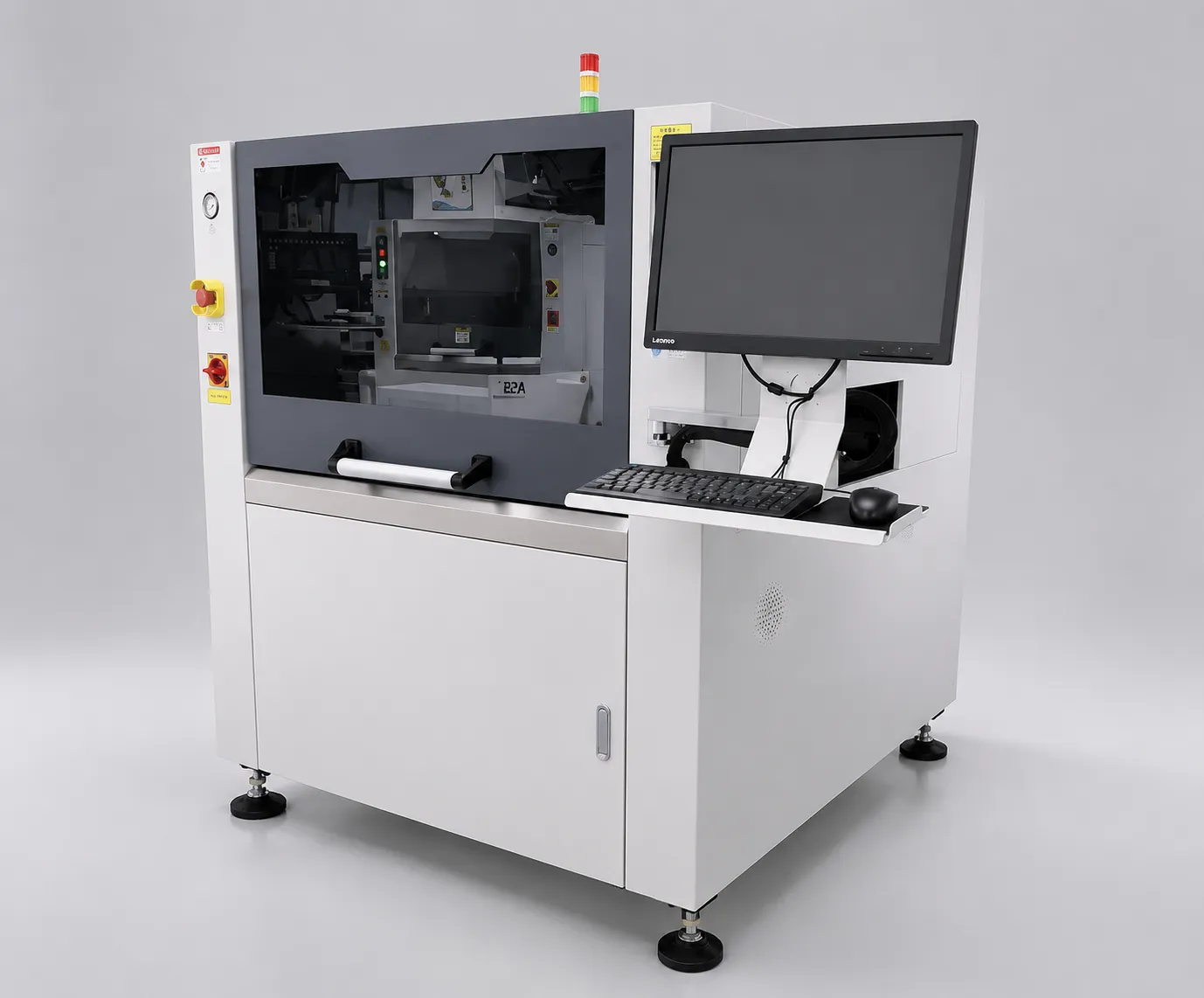 ProductJHIMS L5 Stencil PrinterHigh-precision automatic SMT stencil printer · ±0.025mm accuracy · 400×340mm max PCB · built-in 2D SPIView product →
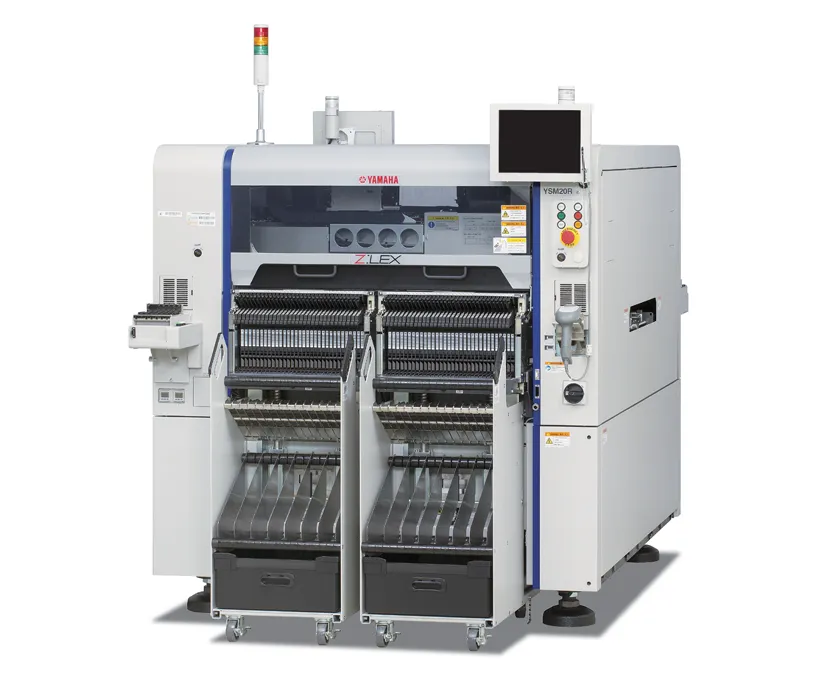 ProductYAMAHA YSM20R MounterHigh-speed modular mounter · 95,000 CPH · ±0.035mm accuracy · 140 feedersView product →
 ProductJHIMS R10 Reflow Oven10-zone lead-free hot air reflow oven · 20 heating zones · ±1°C accuracy · 30% energy savingView product →
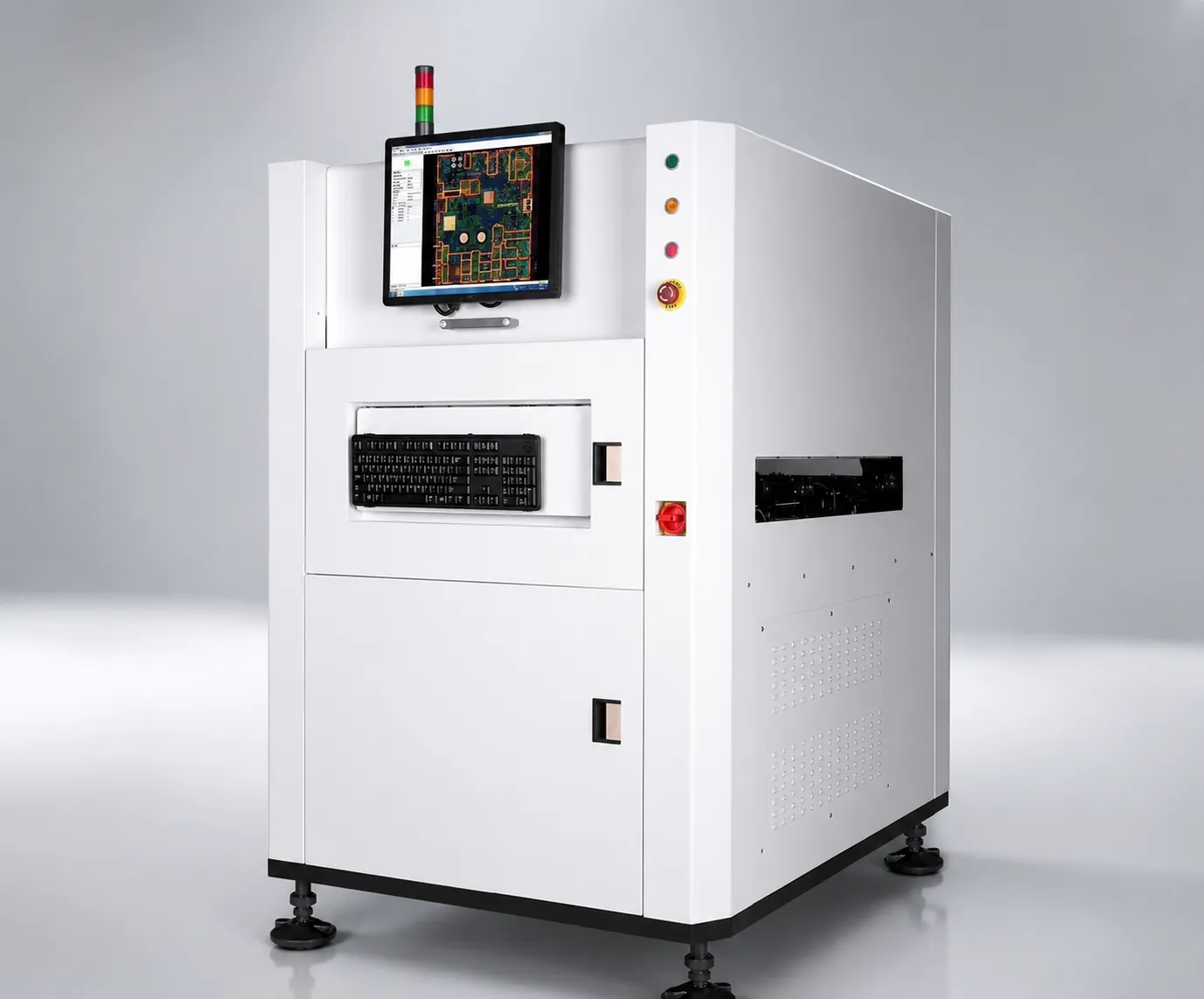 ProductJHIMS XI-2000 AOIAI-powered SMT AOI · 99.5% accuracy · 95% fewer false calls · 50+ defect typesView product →
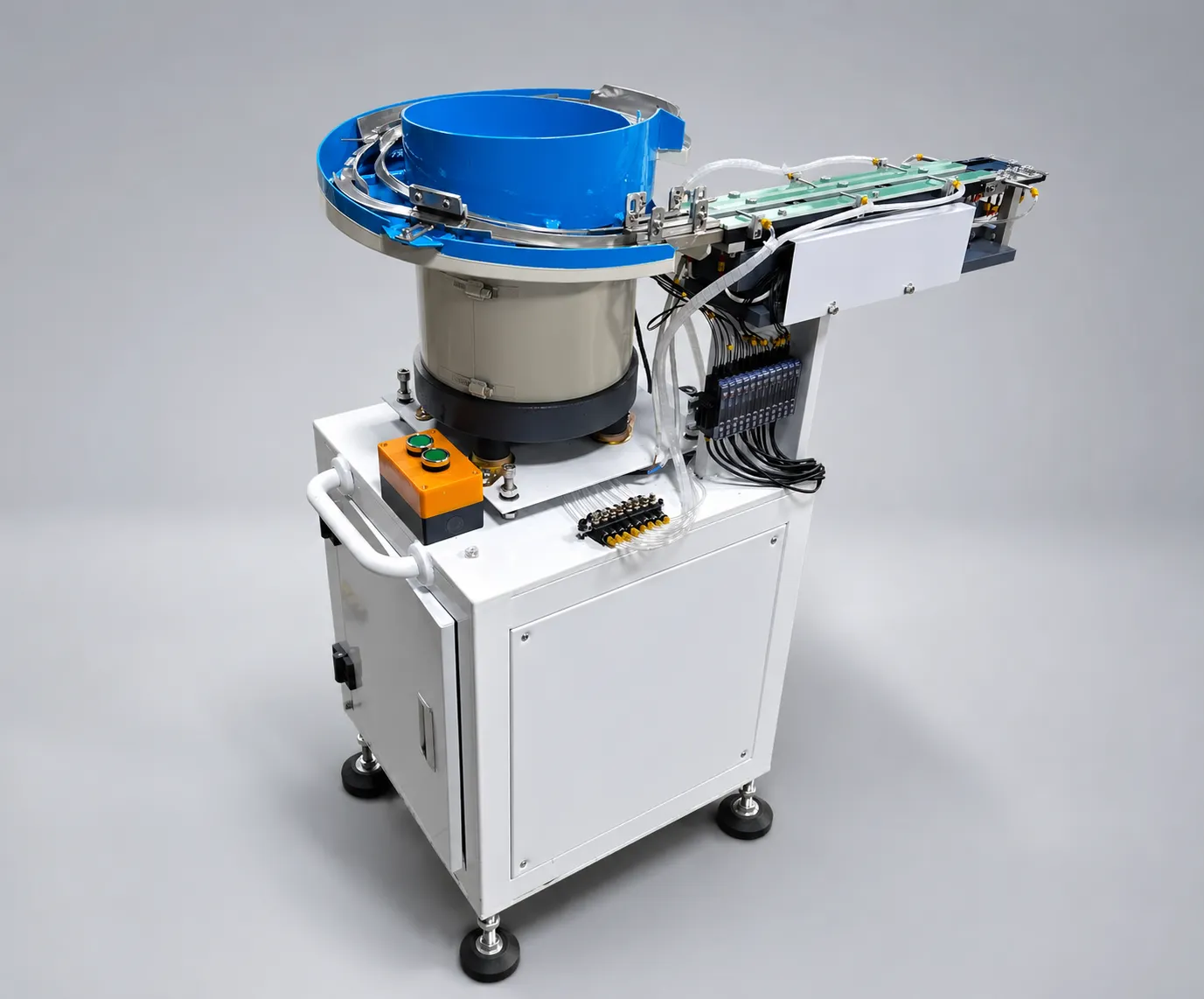 ProductJHIMS DPS-2 FeederAutomatic lens vibratory feeder · 0.5–1s per lens · <0.5% rejection · dual-frequency driveView product →
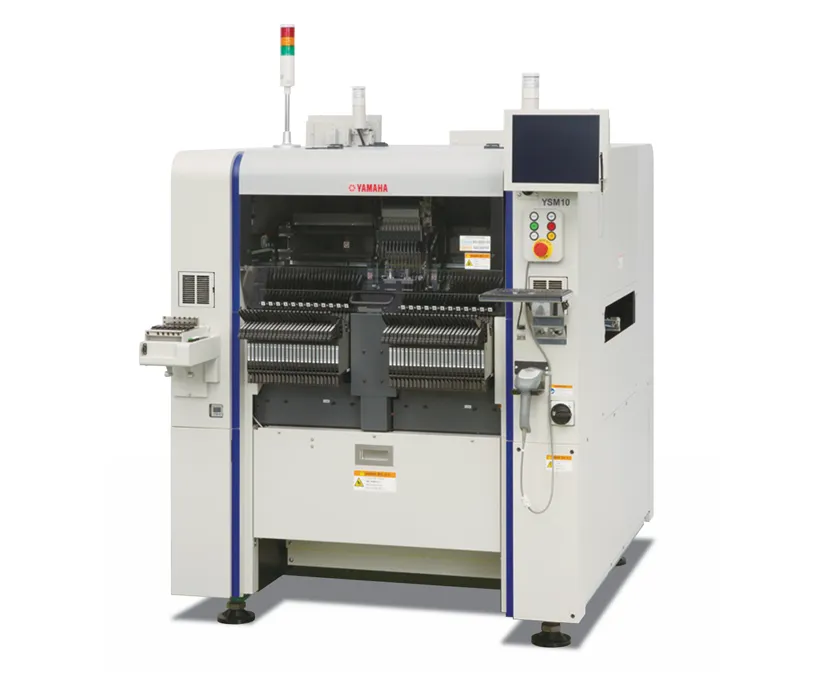 CompanionYamaha YSM10 MounterHigh-speed compact modular mounter – 46,000 CPH, 96 feeders, e-Vision + Side View.View product →
Each case study, buying guide and video tutorial above shows the verification method applied to a real purchase decision.
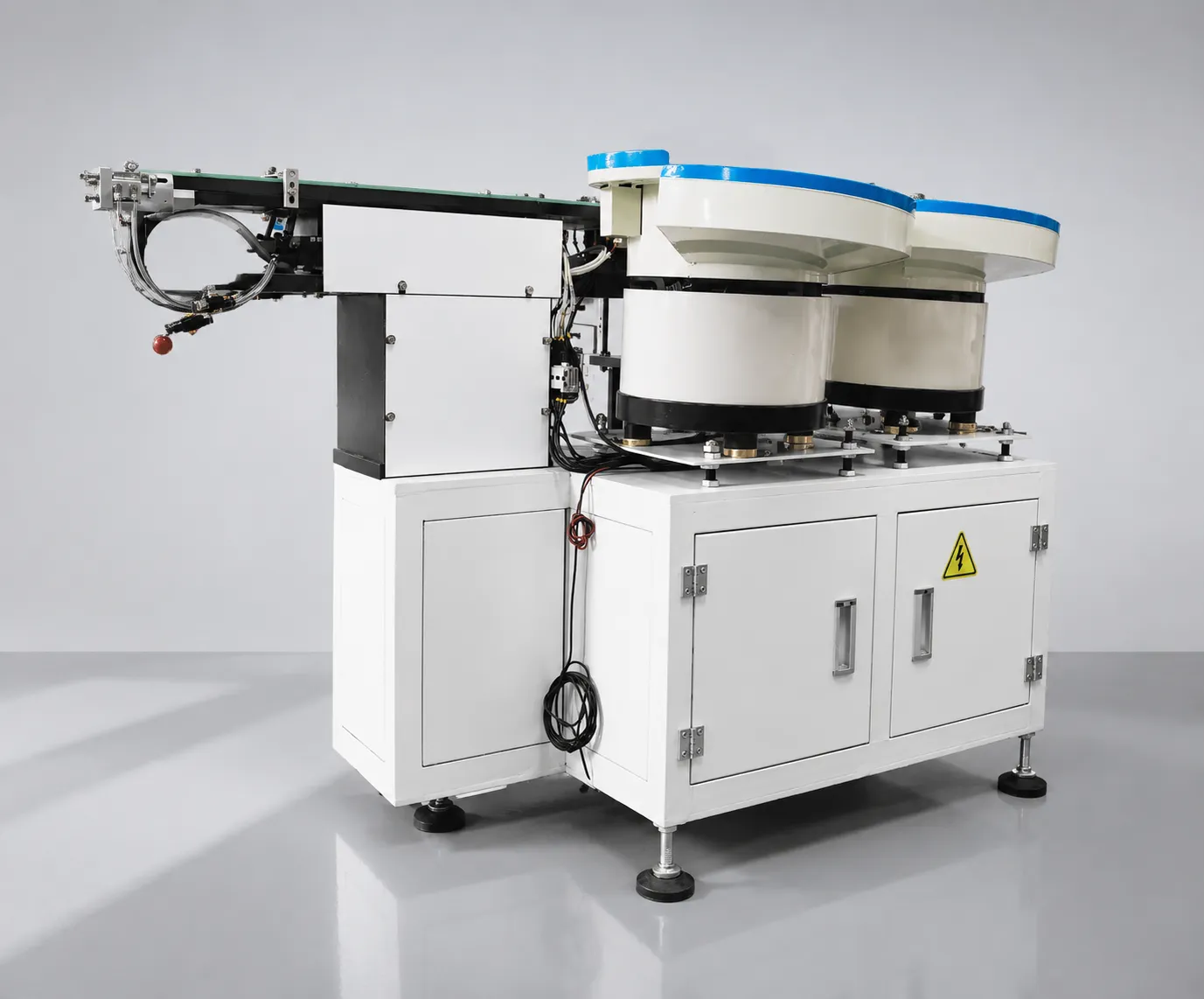 Case StudySMT Lens Feeder ROI Case StudyReal KPI transition: defect rate 12%→0.3%, UPH 900→3,420, 7-month paybackRead article →
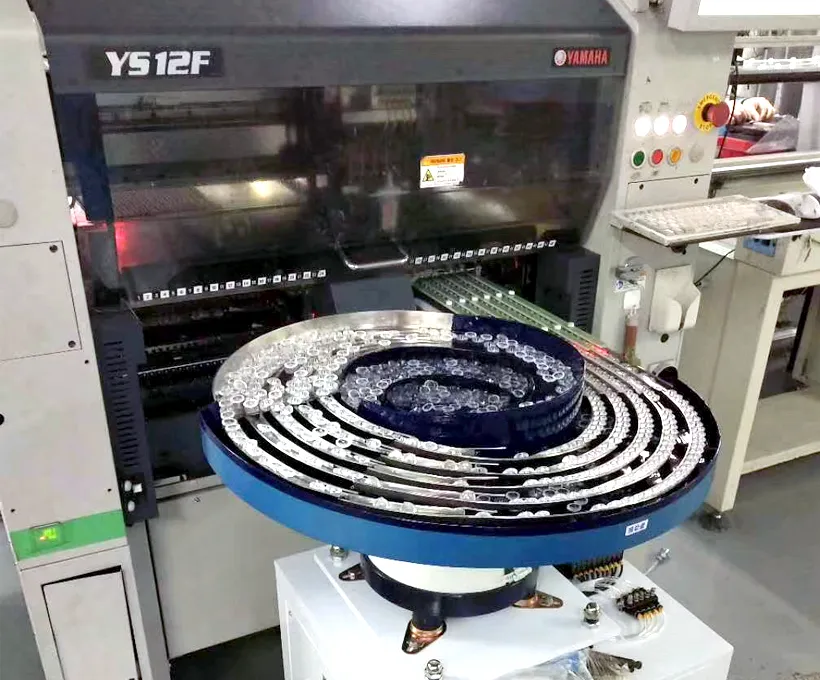 Buying GuideAutomatic SMT Lens Feeder Buying GuideEvidence-based selection for an 8–10 year decision: vibration technology, BOM, TCORead article →
 Case StudyJHIMS L5 Solder Paste Printer Case Study: India OEMA printer deployment at an Indian OEM: stencil printing accuracy, yield and line integration — the verification method applied to a specific machine purchase.Read article →
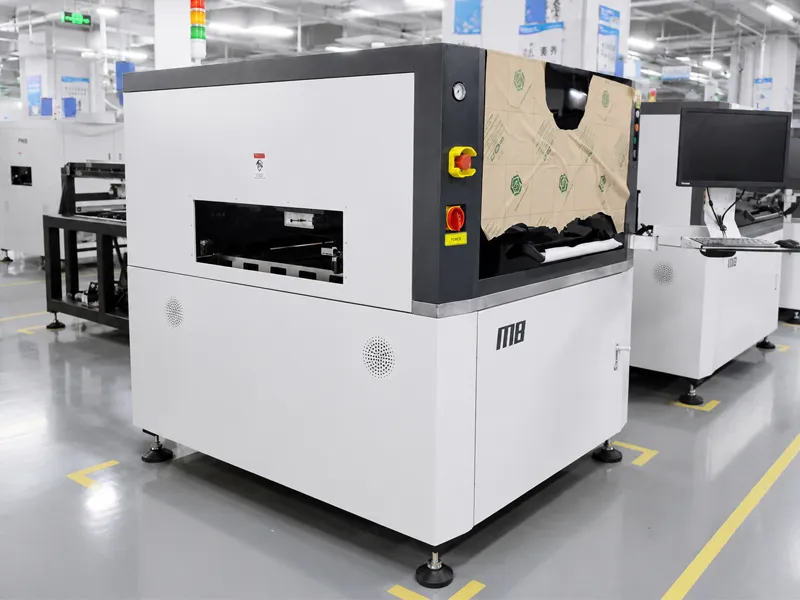 Video GuideHow to Operate the JHIMS M8 Solder Paste PrinterStep-by-step video guide: setup, operation, cleaning and maintenance of the M8 automatic stencil printer.Watch guide →
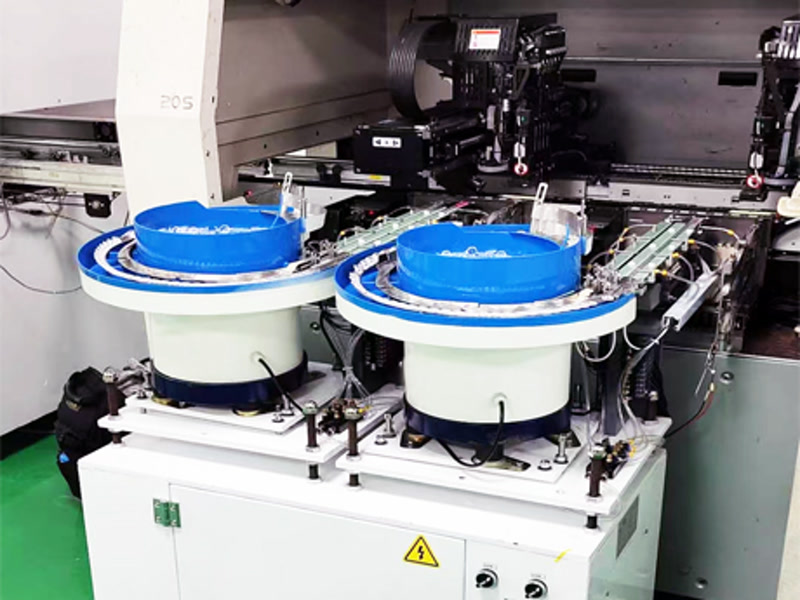 Case StudySMT Lens Feeder Case: TV Backlight in XiamenLens feeder deployment on TV backlight production linesRead article →
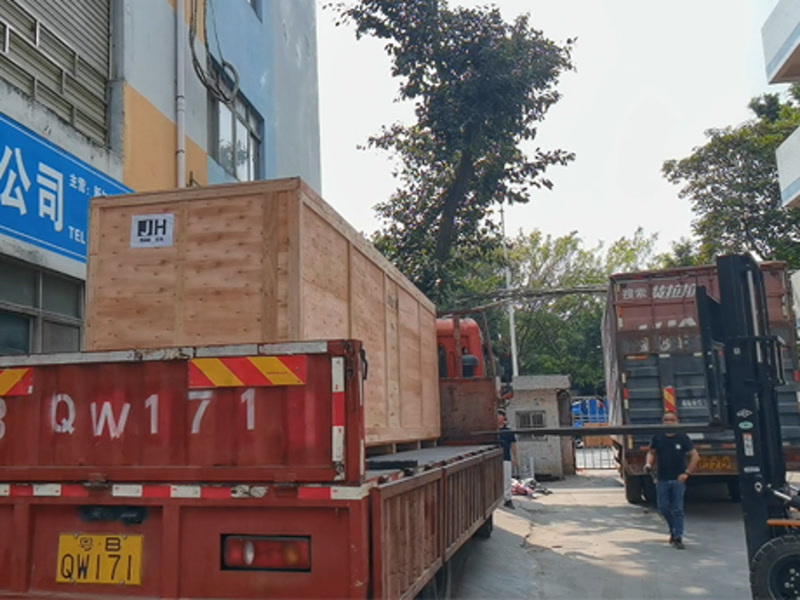 Case StudyTurnkey Factory Case: SMT Line in MalaysiaFull-line turnkey deployment — from layout to productionRead article →
Contact our engineers for a free evaluation, first reply within 12 working hours (Mon–Sat, 09:00–23:00 China Standard Time, UTC+8) — and for lens feeder projects, send your lens samples for a free 48-hour feeding test.
Before you commit to a supplier, look at machines actually running: Yamaha YSM40R in production, factory and equipment videos on the JHIMS channel, or ask a specific sourcing question on WhatsApp.
More procurement and process guides are in our technical blog.