Address
Building A1, Runteng Industrial Park, No. 4 Xishan Road, Longteng Community, Shiyan Subdistrict, Bao'an District, Shenzhen 518000, China
Work Hours
Monday to Saturday: 09:00 – 23:00 (UTC+8)
Sunday: closed
Address
Building A1, Runteng Industrial Park, No. 4 Xishan Road, Longteng Community, Shiyan Subdistrict, Bao'an District, Shenzhen 518000, China
Work Hours
Monday to Saturday: 09:00 – 23:00 (UTC+8)
Sunday: closed

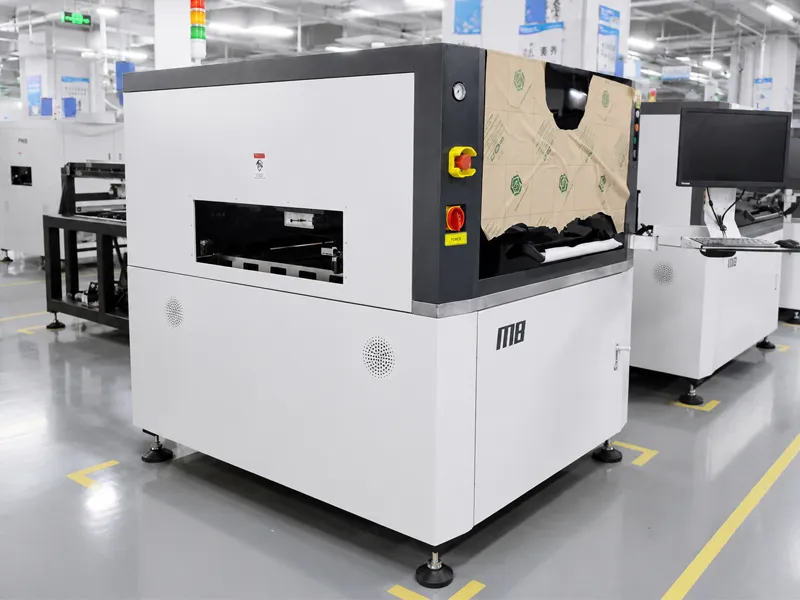
JHIMS M8 solder paste printer for a Saudi Mini LED display maker: ±0.025 mm print accuracy on 650x610 mm boards, real-time 2D inspection and up to 25% efficiency gain.
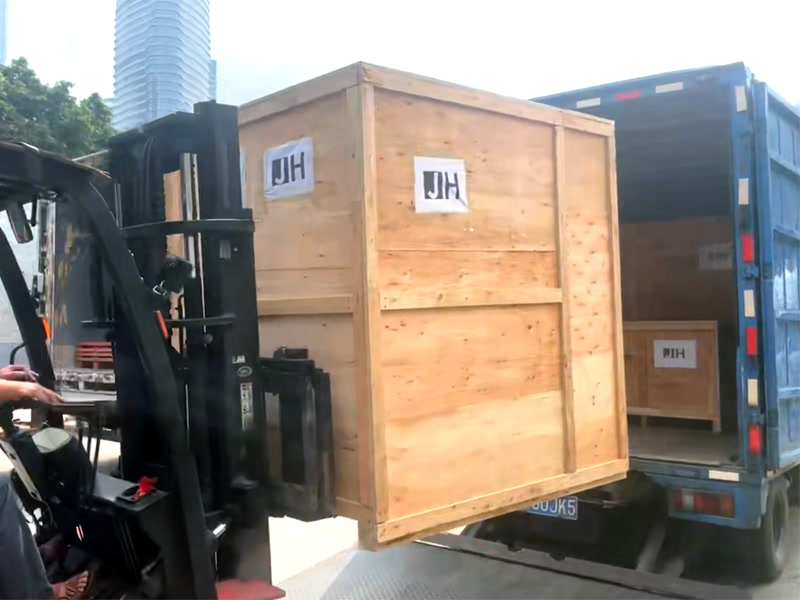
A Saudi display maker adopted the JHIMS M8 solder paste printer for Mini LED: 650×610mm boards, ±0.025mm print accuracy, 2D inspection and up to 25% efficiency.
At a glance: who the customer is, where the machine was delivered, and what drove the investment.
Mini LED production is a printing problem, not a placement problem: pads are far smaller than conventional boards, so small errors matter. For a Saudi Arabian maker, printing became the constraint.
A Saudi Arabian LED maker moved into Mini LED, where paste must land exactly on tiny pads. JHIMS’ L12 large-format solder paste printer covers panels to 1,200 × 350 mm.
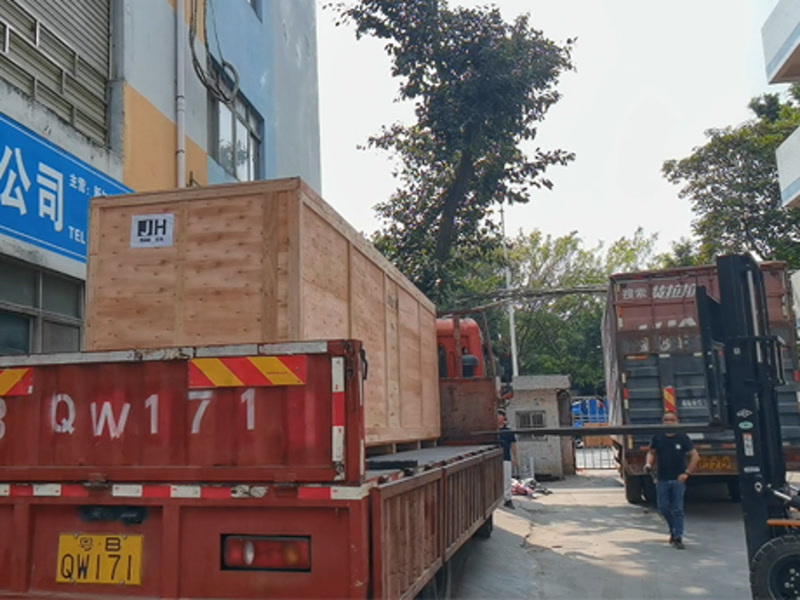
Its existing printers could not reach fine-pitch alignment or handle 650×610mm PCBs. It chose the JHIMS M8 for vision, automation and reliability — delivered June 2025, extending a partnership begun in November 2022.
Precision and large-format handling pull in opposite directions: on a 650 × 610 mm carrier, flatness, support and stencil tension vary across the panel. With fixed build dates, a stopped printer is a delivery risk.
The recorded printing challenges, the mechanism behind each, and the M8 feature that addresses it.
| Recorded challenge | Mechanism in production | How the M8 addresses it |
|---|---|---|
| Fine-pitch precision | Small apertures convert small offset errors into bridges or insufficient solder | ±0.025 mm print accuracy with ±0.001 mm repeat accuracy |
| Large-format PCBs | A 650 x 610 mm board spans more of the machine, so flatness and support vary across the panel | PCB support from 50 x 50 mm to 650 x 610 mm with stencils up to an 850 x 850 mm frame |
| Alignment on large boards | A board placed slightly off-center changes print position across the panel | CCD mark-point alignment with diagonal teaching correcting translation and rotation |
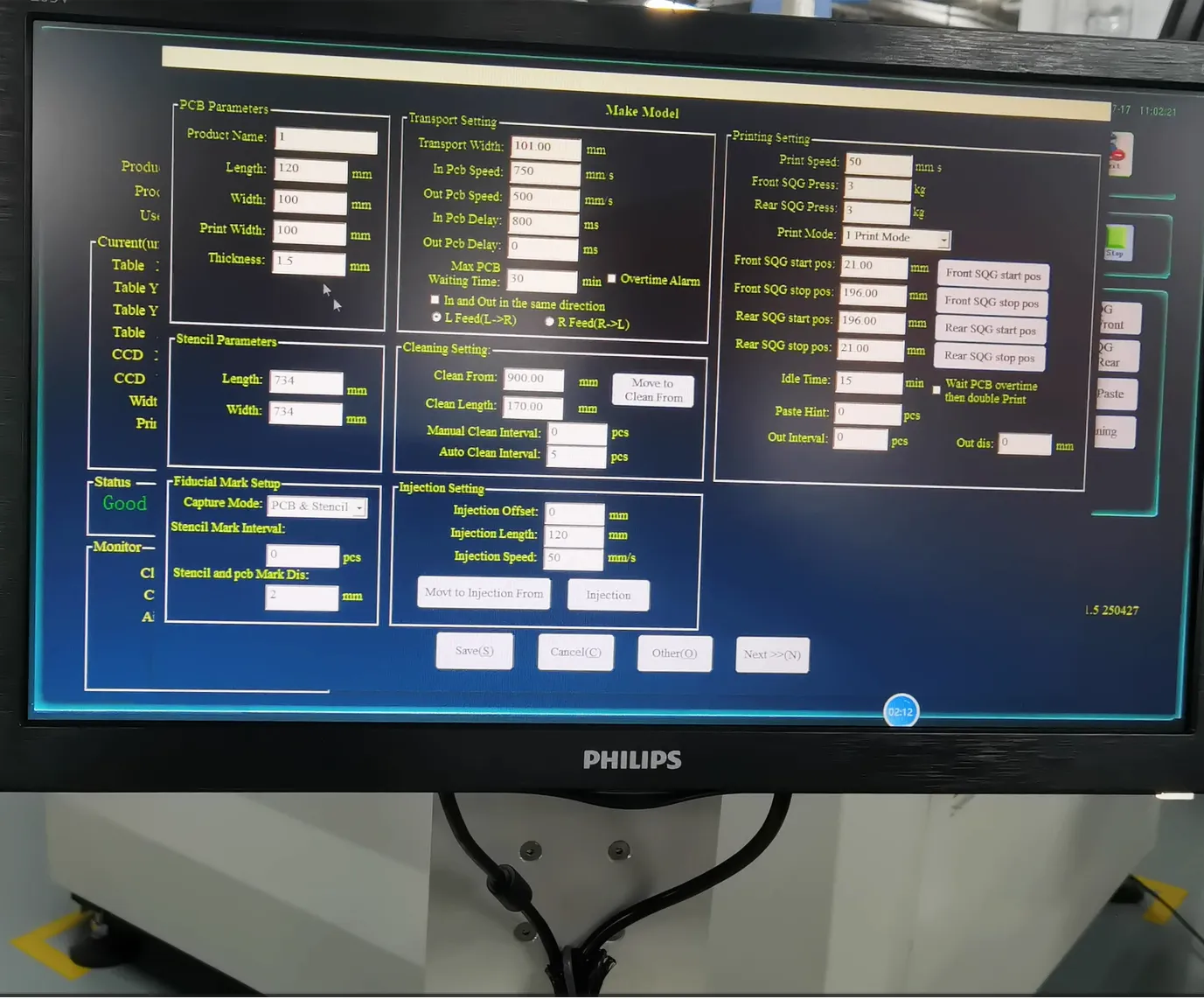
| Deposit consistency | Squeegee setting and stencil release decide how much paste transfers to each pad | Programmable print parameters recalled per product |
| Blocked apertures | Paste left in fine-pitch apertures reduces deposit volume or removes it entirely | Automatic dry, wet and vacuum stencil cleaning with spray function |
| Defect detection timing | A printing defect found after reflow costs a board and a rework cycle | Real-time 2D inspection measuring area, position offset and bridging |
| Operator variability | Manual loading, cleaning and setting changes introduce cycle-to-cycle differences | Full automation of loading, printing, inspection and cleaning |
| Uptime | A printer stop interrupts the Mini LED build schedule behind it | Pre-shipment aging tests and CPK precision checks before delivery |
| Product changeover | A new product needs a new program and new alignment teaching | Automatic program recall with mark-point teaching during commissioning |
The requirements show how the customer intended to qualify the machine — including real-time 2D inspection on 650 × 610 mm boards, so deposit defects are caught before reflow, not after.
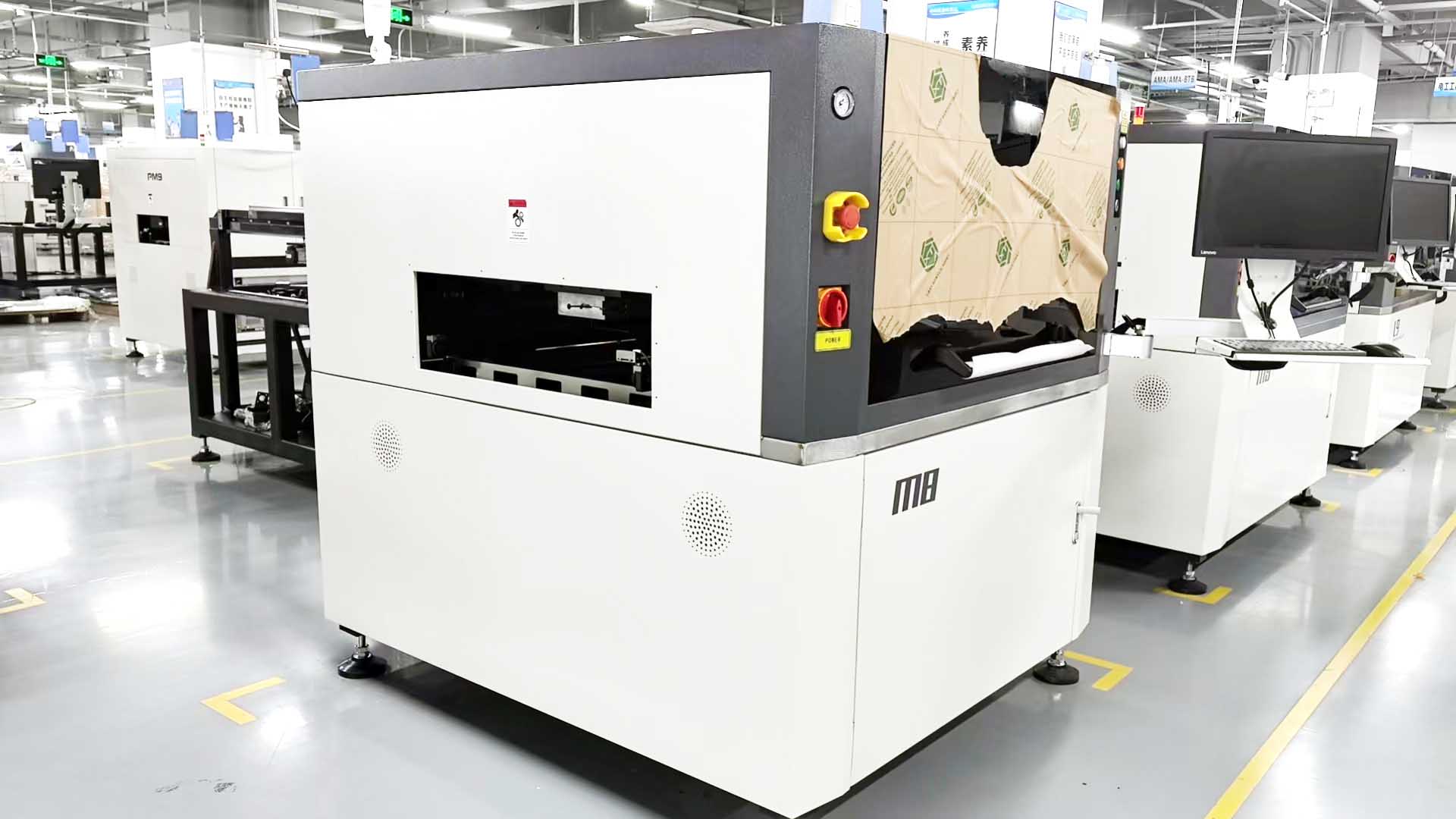
The JHIMS M8 — full-automatic with vision — was configured for the Mini LED line: ±0.025mm print accuracy, ±0.001mm repeatability, an 8-second printing cycle and automatic program recall.
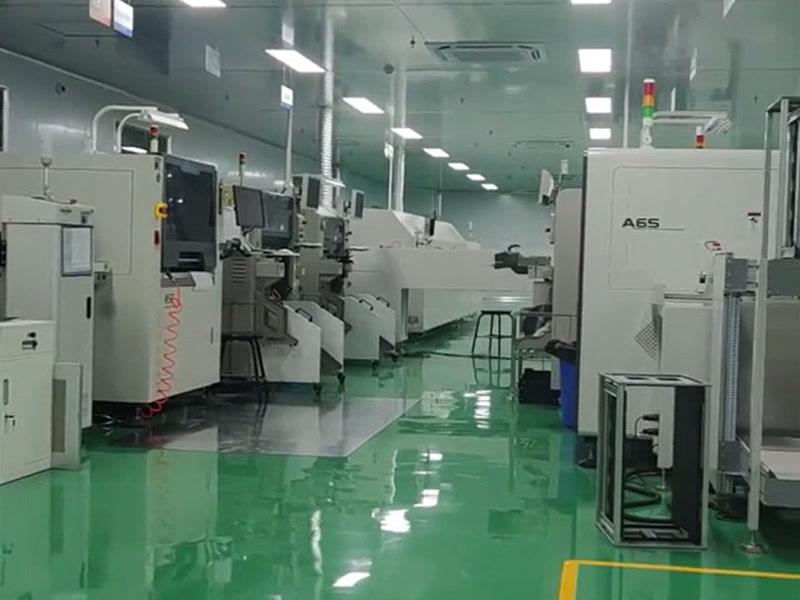
The M8 joined a line already supported by JHIMS equipment bought over several years:
| Date | Equipment | Model | Qty |
|---|---|---|---|
| 2022-11-01 | LED display dispensing machine | JH-G810 | 1 |
| 2022-11-01 | PCB drying rack | QCJ-25 | 2 |
| 2022-11-01 | PCB loader / unloader | JH-S250 / JH-X250 | 2 |
| 2023-04-01 | SMD part counter | LWL-920 | 1 |
| 2023-12-01 | Offline 6-axis screw machine | 2P-LXS500 | 1 |
| 2024-08-01 | Custom PCB storage racks & ESD boxes | — | 13 |
| 2025-06-25 | Full-automatic SMT printer | JHIMS M8 | 1 |
| 2025-11-01 | GOB line: conveyors, inline dispenser, GOB vacuum coating machine, CNC carving | LM661 / GOB-LXS650 / JD-760SBC | 6 |
| 2025-11-01 | Materials (tempered glass, counterweights, vacuum pump) | — | 301 |
| Feature | Details |
|---|---|
| Print Accuracy | ±0.025mm |
| Repeat Accuracy | ±0.001mm |
| PCB Size | 50×50mm to 650×610mm (thickness 0.2–6mm) |
| Cycle Time | 8 seconds (excluding cleaning) |
| Stencil Size | Up to 850×850mm frame |
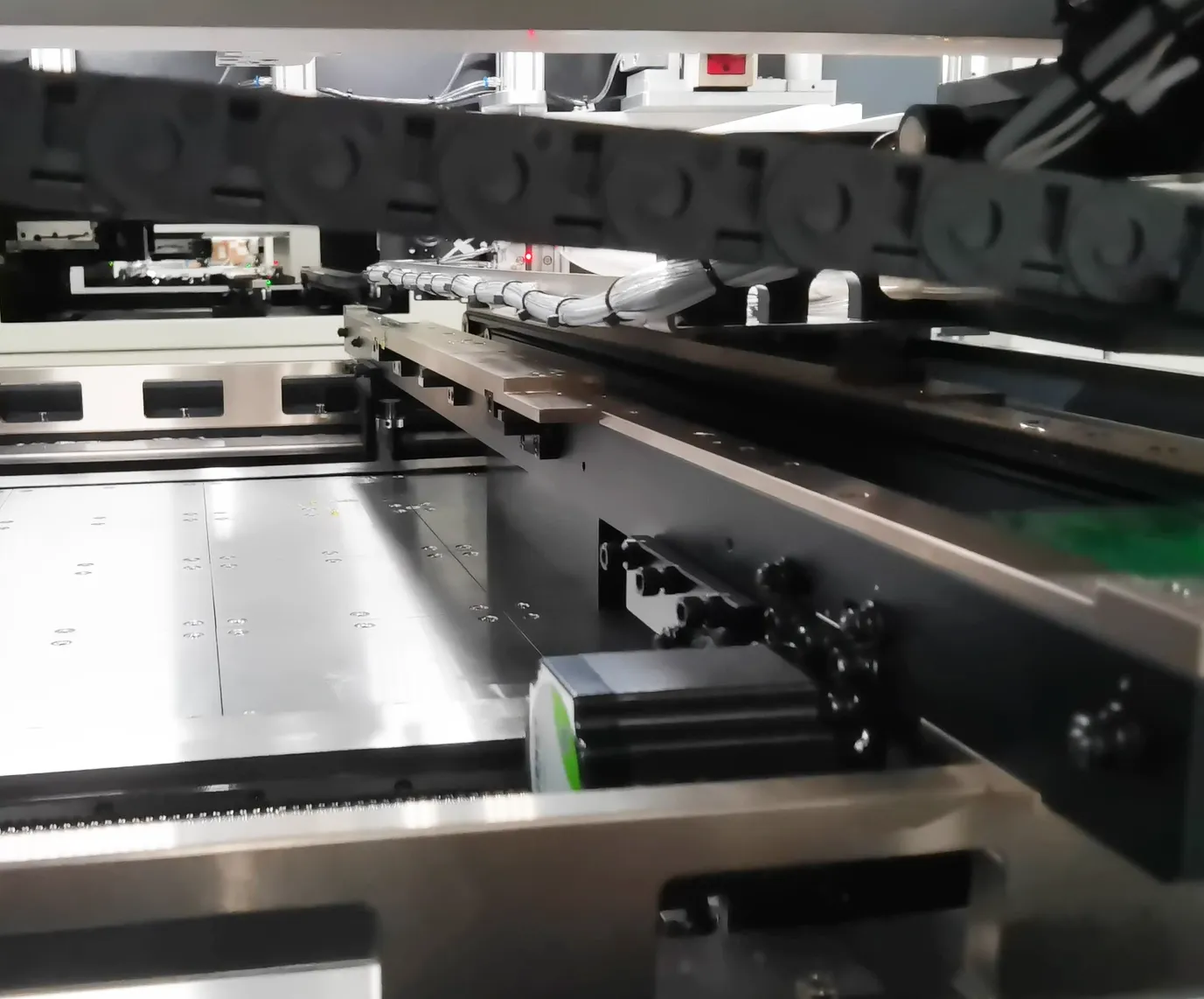
| 2D Inspection | 1.3MP CCD — area measurement, position offset, bridging detection |
| Cleaning System | Dry / Wet / Vacuum (3-in-1 + spray) |
| Power Supply | AC 220V ±10%, 50/60Hz, 3KW |
| Air Supply | 4–6 kgf/cm², approximately 95 L/min |
The printing parameters that decide Mini LED deposit quality, and the defect each one controls.
| Parameter | Defect it controls | How it is managed on the M8 |
|---|---|---|
| Print position accuracy | Pads receiving paste off-center, leading to bridging or weak joints | ±0.025 mm print accuracy across the board area |
| Repeat accuracy | Board-to-board variation in deposit volume | ±0.001 mm repeat accuracy maintaining the same result across a run |
| Alignment method | Registration error that grows towards the edges of a large panel | 1.3 MP CCD mark-point alignment with diagonal teaching |
| Board support and clamping | Uneven stencil-to-board contact on large carriers | Support for boards 50 x 50 mm to 650 x 610 mm, 0.2-6 mm thick |
| Squeegee and release setting | Ragged or incomplete deposit transfer at the end of the stroke | Programmable print parameters stored with the product program |
| Stencil cleaning | Blocked apertures causing missing deposits | Dry, wet and vacuum 3-in-1 cleaning with spray |
| Inspection | Defects reaching placement and reflow undetected | Real-time 2D inspection of area, offset and bridging |
| Cycle time | Printing becoming the rate limit of the SMT line | 8-second printing cycle excluding cleaning |
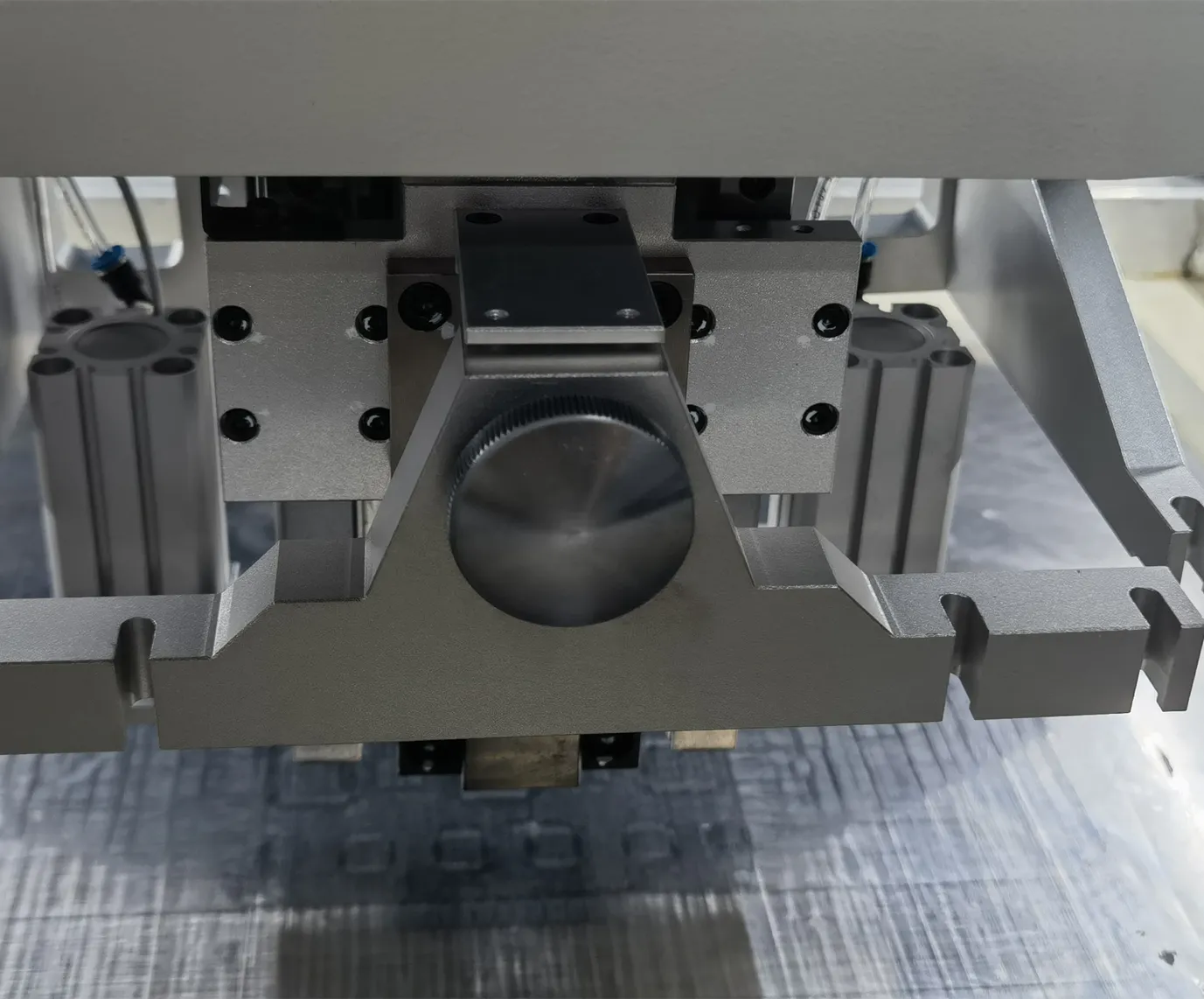
Five phases turn a printer into a qualified process, not just an installed machine — factory aging tests and CPK checks before shipment, then first-article validation on the customer’s own Mini LED product.
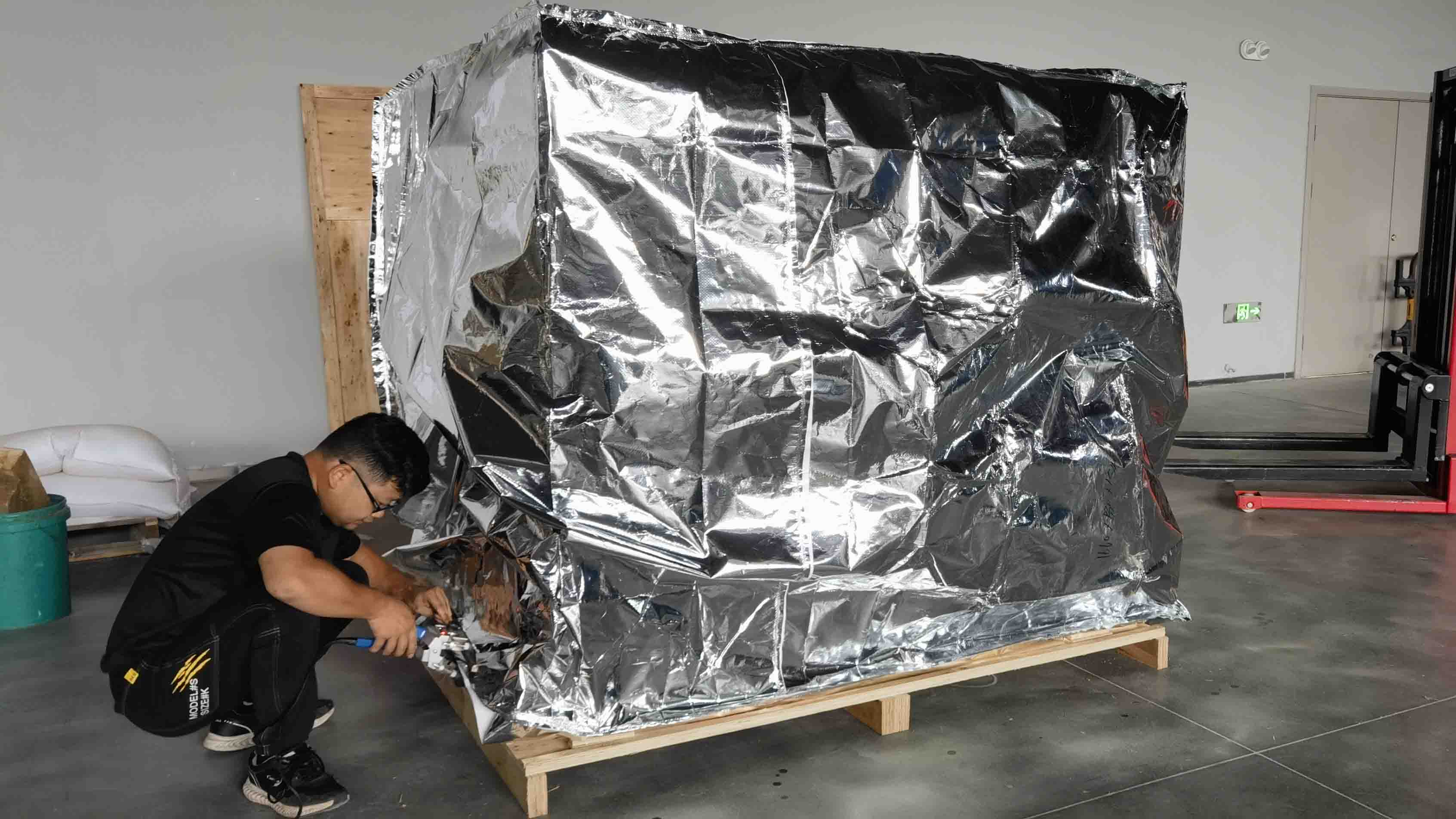
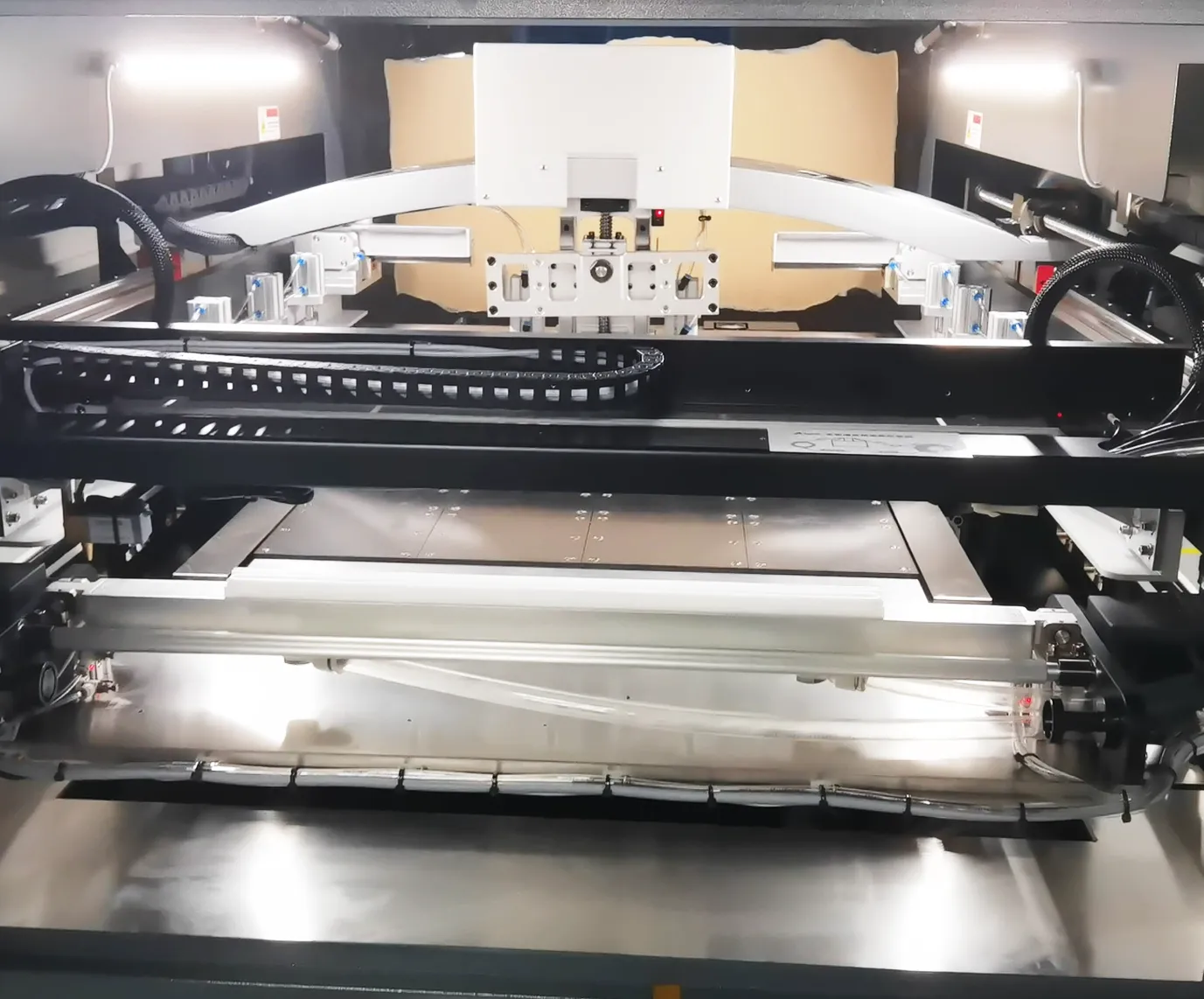
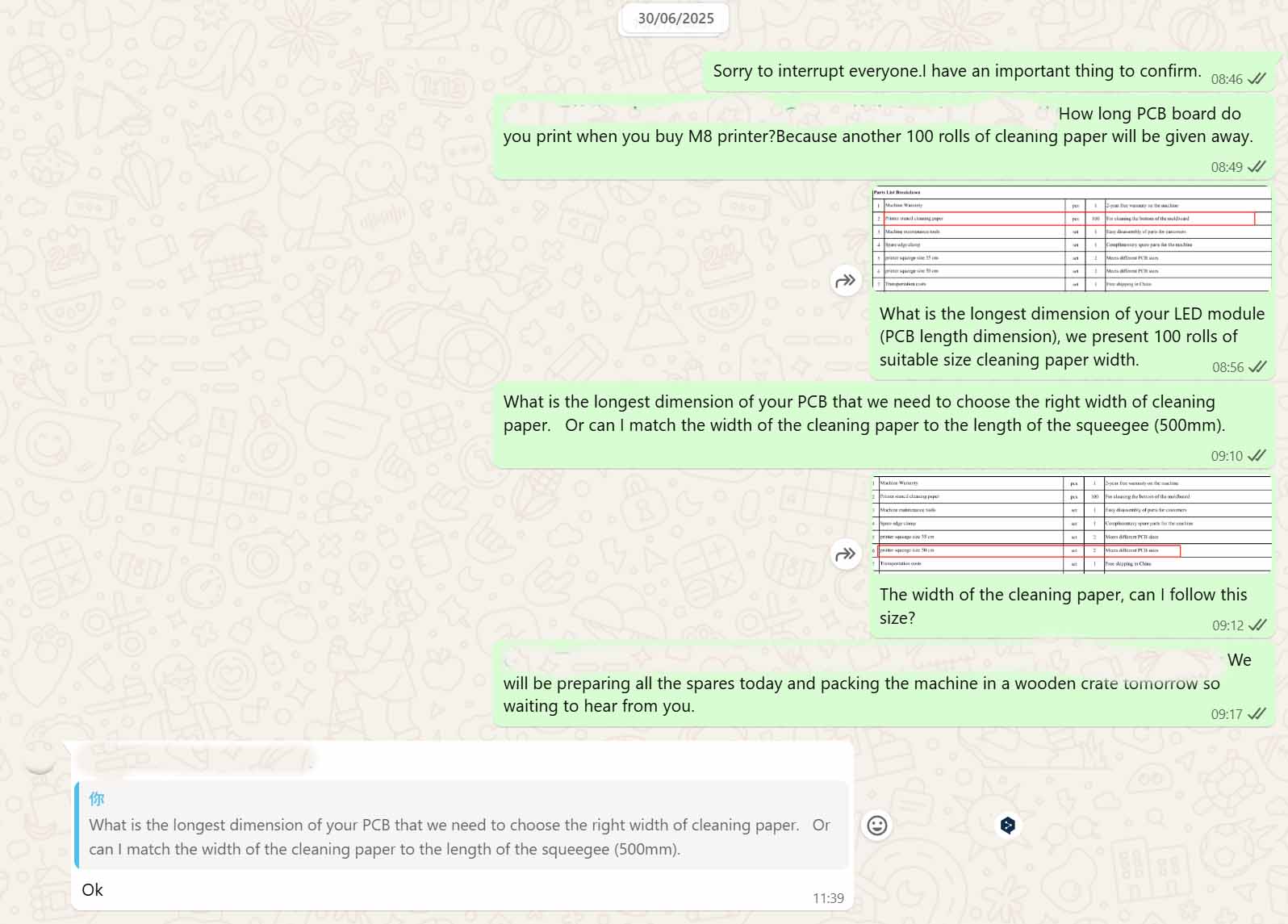
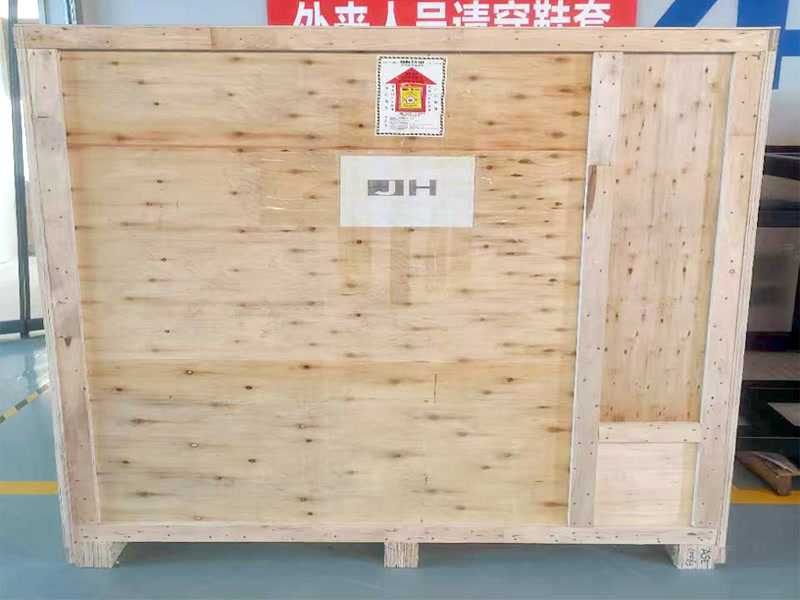
Communication records with the Saudi Arabian client show a seamless purchasing process and positive feedback on the M8 solder paste printer.
Configuration, schedule, documentation and training ride on correspondence — any ambiguity becomes a delay after crating. After delivery the same channel handles engineering questions without waiting for a service visit.

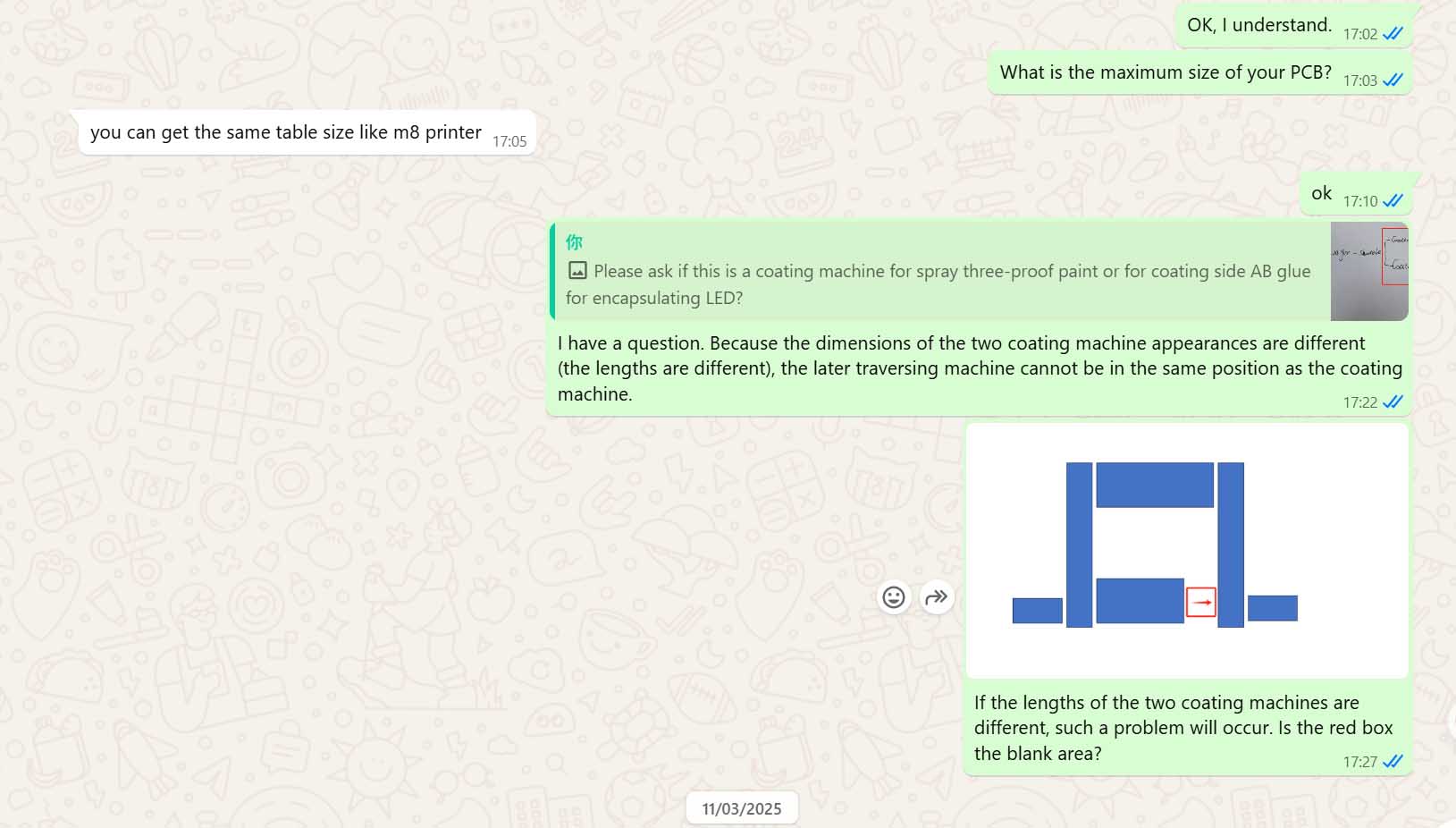
Watch how JHIMS high-precision solder paste printers are built and what to look for in a vision printer for Mini LED lines. Watch the full guide on YouTube.
Watch the parts of the cycle that decide Mini LED yield:
The M8 delivered measurable improvements for the Saudi manufacturer:
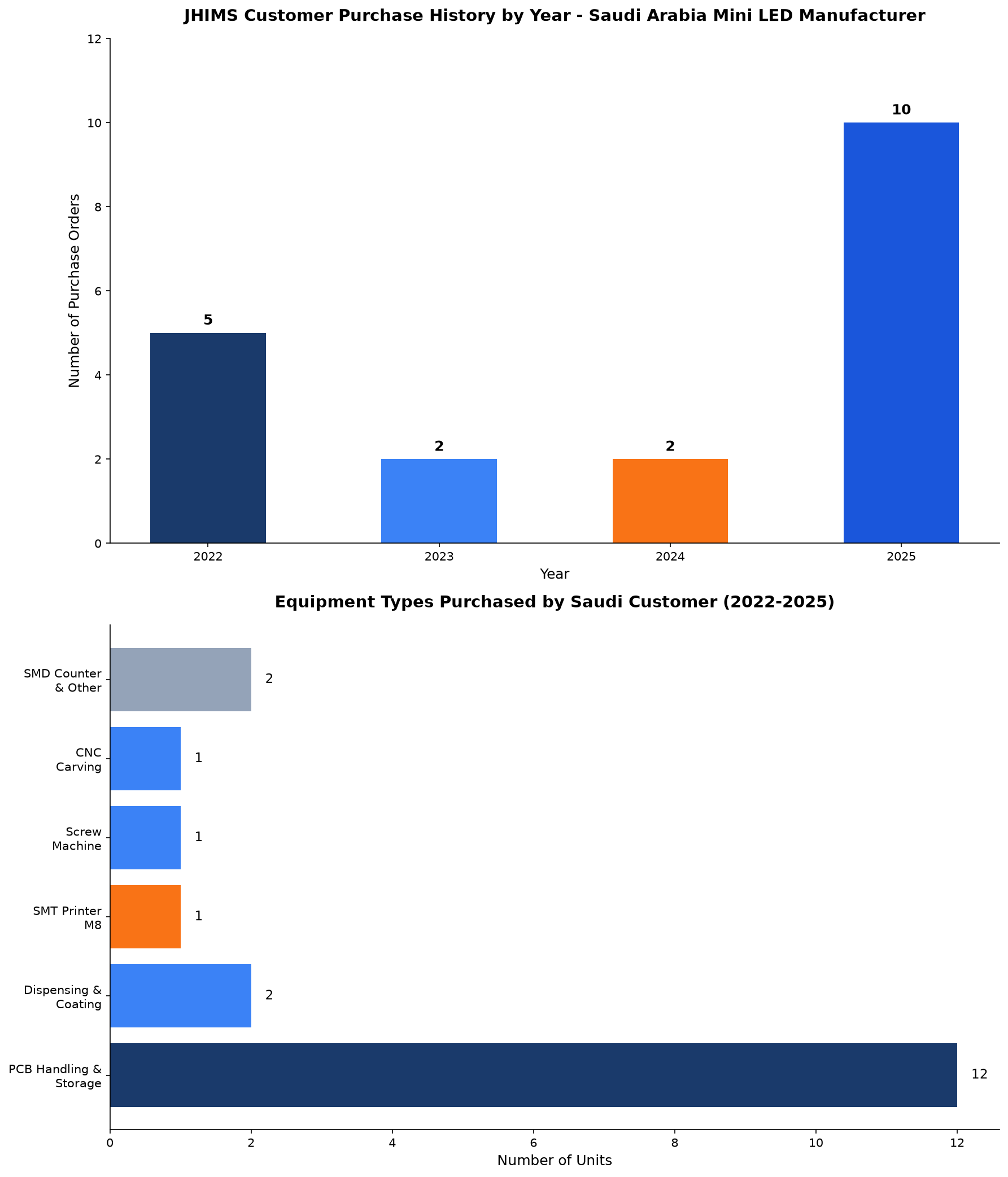
Reported outcomes: up to 25% efficiency from an 8-second cycle; ±0.025 mm accuracy with ±0.001 mm repeatability and 2D inspection; boards from 50 × 50 mm to 650 × 610 mm, stencils to 850 × 850 mm.
On a Mini LED carrier, accuracy is a process gate: smaller pads make the same error bigger. Offset toward a neighbour bridges in reflow; short paste leaves too little solder. ±0.025 mm keeps deposits inside the aperture.
±0.001 mm repeatability decides whether the process runs in production rather than being sampled:
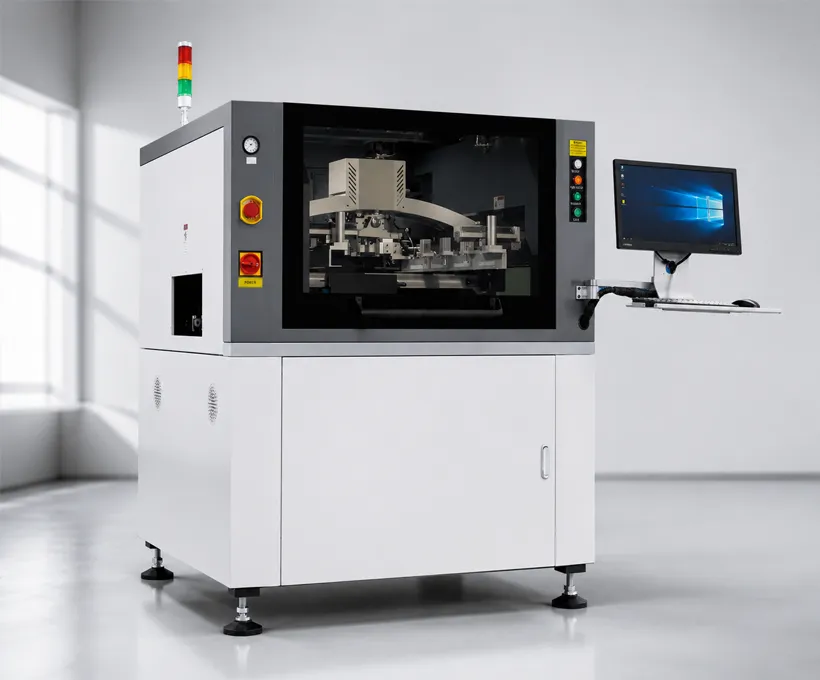 FeaturedJHIMS M8 Solder Paste PrinterFull-automatic vision solder paste printer – ±0.025mm print accuracy, 650×610mm PCB support.View product →
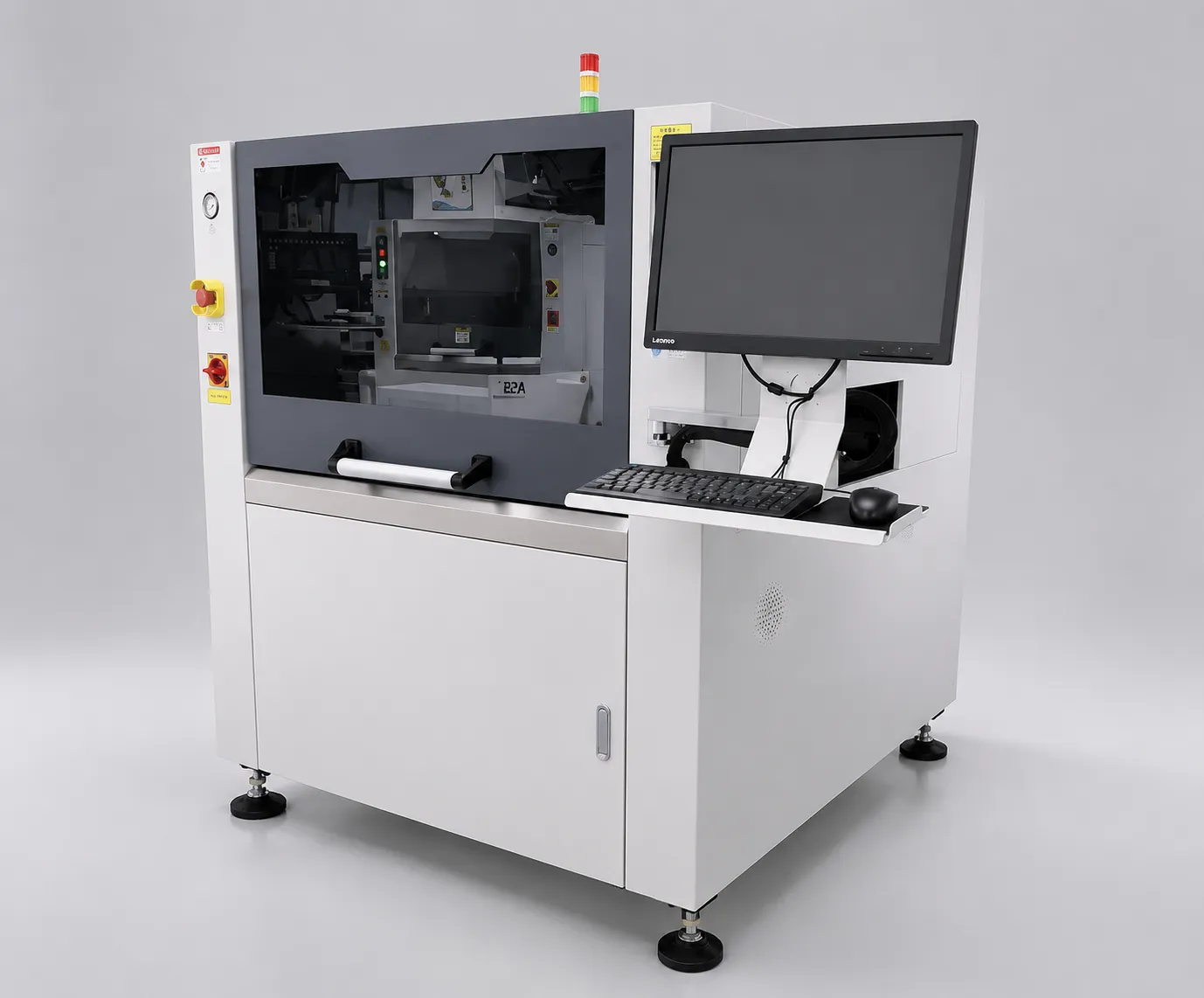 JHIMS L5 Solder Paste PrinterAutomatic SMT stencil printer – ±0.025mm accuracy with vision-aligned printing for the SMT line.View product →
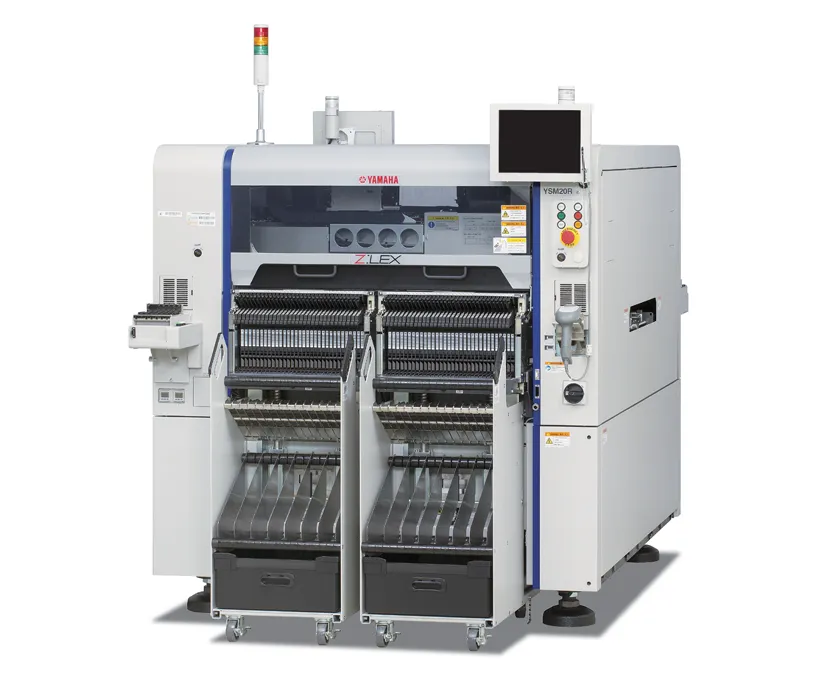 FeaturedYamaha YSM20R MounterHigh-speed modular mounter – 95,000 CPH, 140 feeders, 0201 to 55×100mm components.View product →
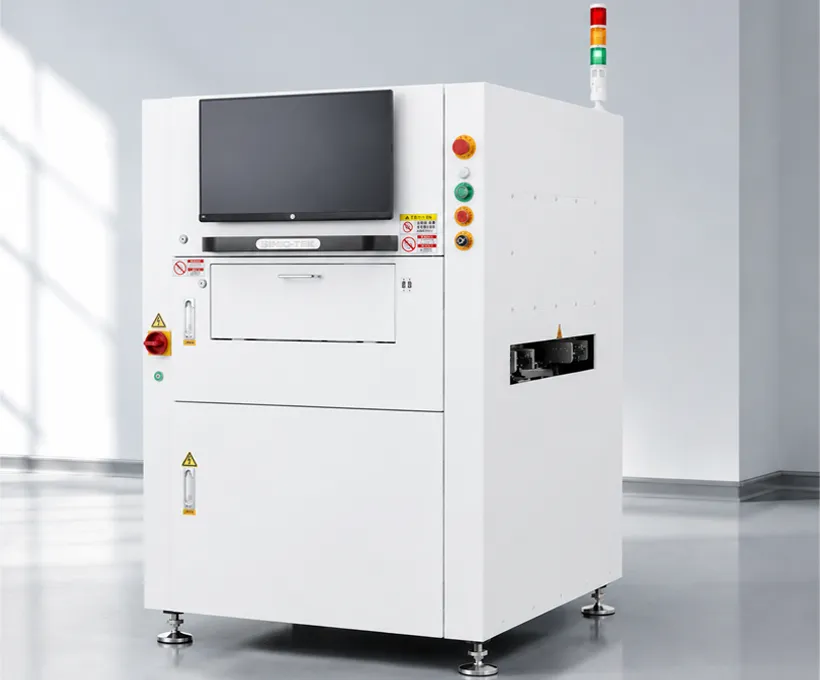 RelatedJHIMS S630 3D SPI3D solder paste inspection – verifies print quality before reflow.View product →
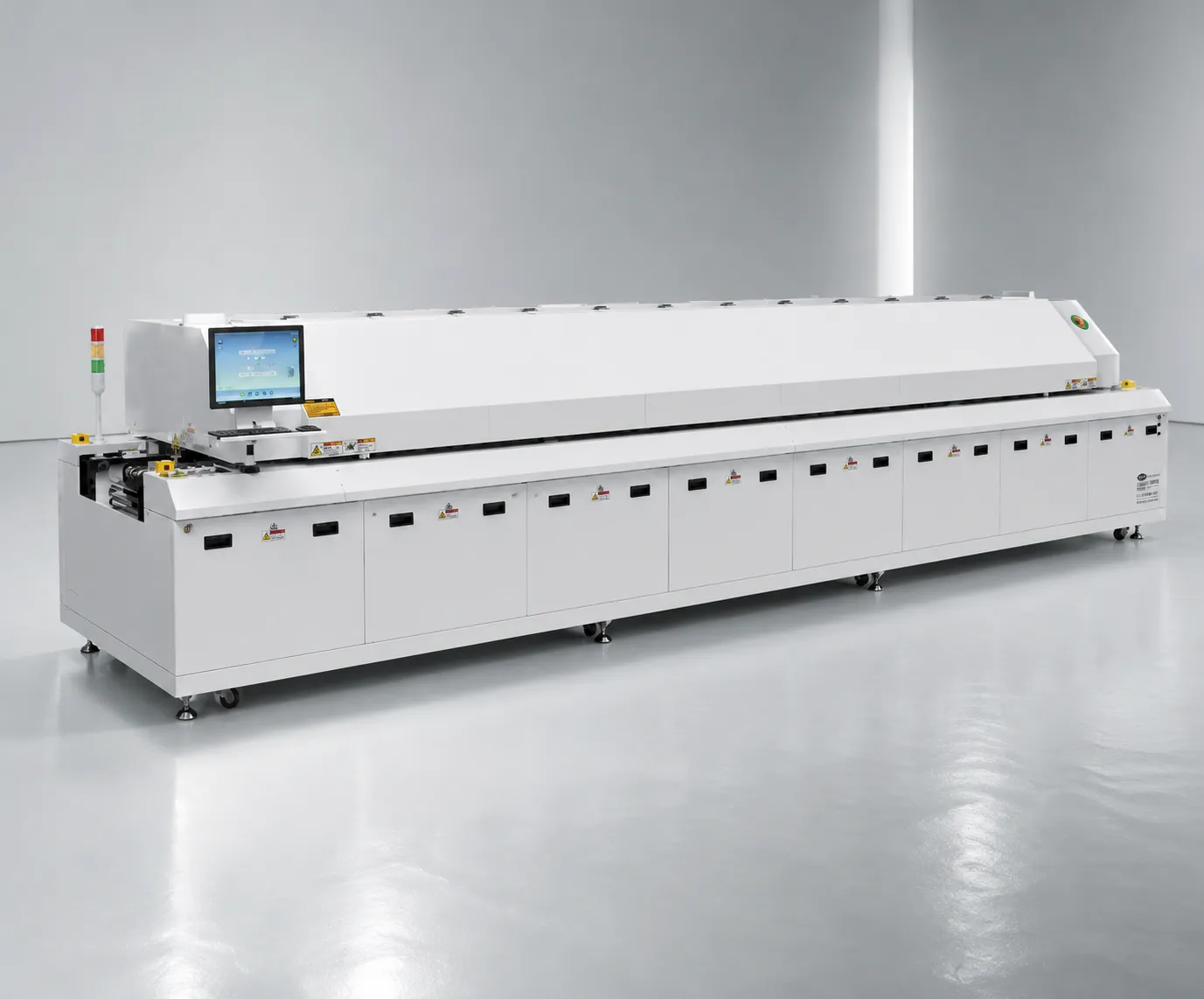 RelatedJHIMS R10 Reflow OvenLead-free hot-air reflow soldering for SMT lines – 20 heating zones, up to 300°C peak.View product →
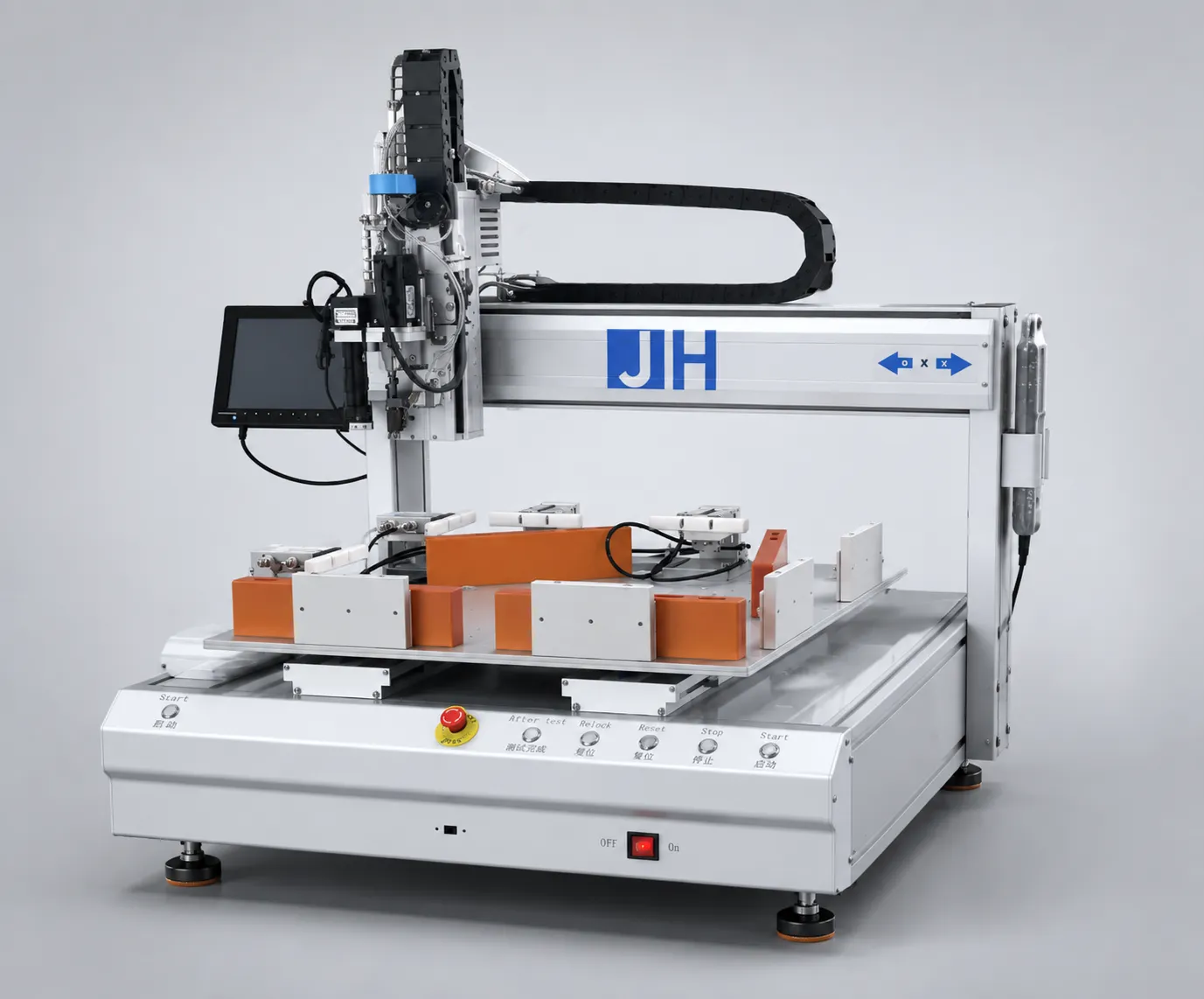 RelatedJHIMS ZM500 Screw MachineAutomated screw tightening and removal for electronics assembly.View product →
 M8 Solder Paste Printer GuideStep-by-step M8 guide: setup, programming, and 2D solder paste inspection.Read article →
 JHIMS L5 Solder Paste Printer: India Case StudyHigh-precision solder paste printing for an Indian electronics OEM.Read article →
 SMT Production Line Case Study: MalaysiaFully automated turnkey SMT line with Yamaha placement — 100% DDP delivery.Read article →
 Yamaha YSM20R Case Study: ChangshaHigh-speed SMT lines rated up to 95,000 CPH for a Changsha PCB assembly OEM.Read article →
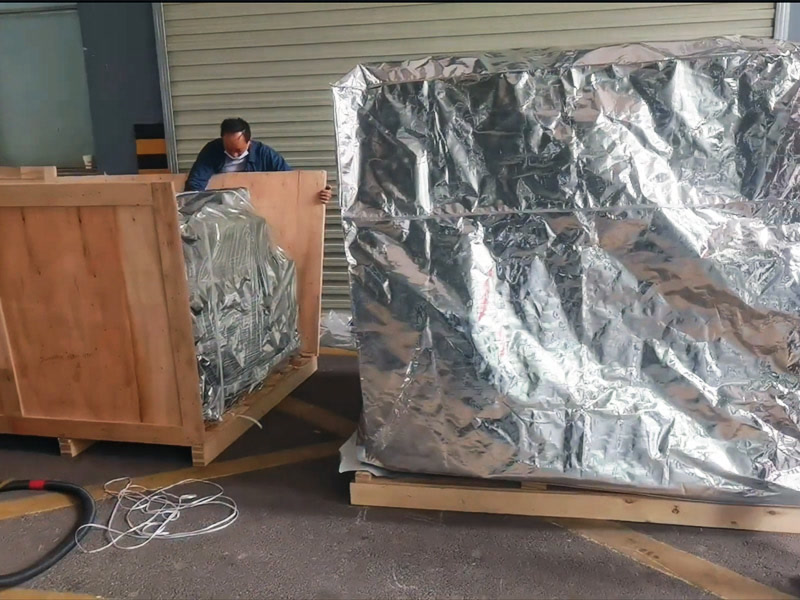 Used YSM20R Case Study: LED Manufacturing in SpainFour used YSM20R machines with two years of zero breakdowns for a Spanish LED maker.Read article →
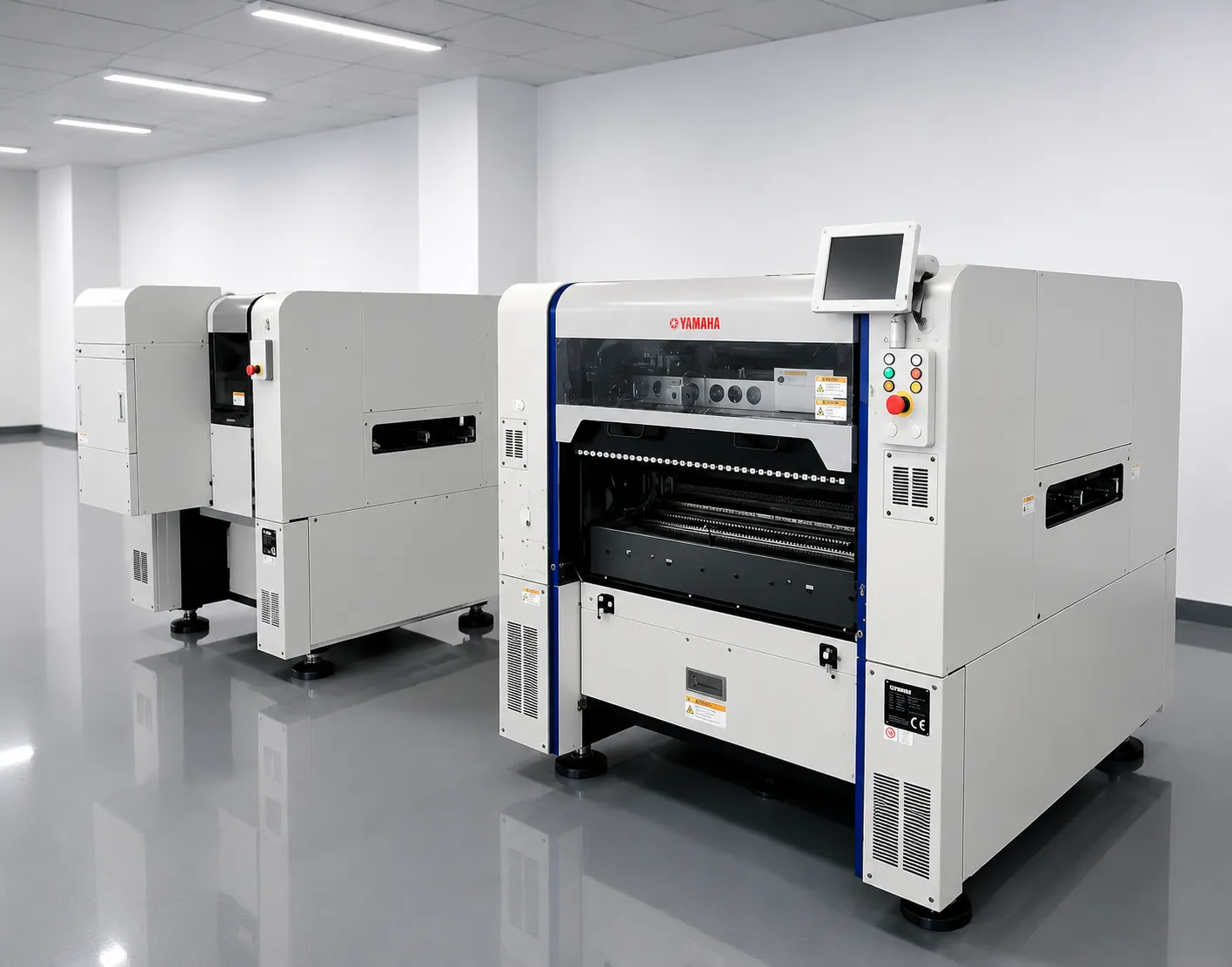 Sourcing SMT Equipment from China: Risk-Managed GuideHow to source SMT equipment from China safely — a procurement guide.Read article →
Contact our engineers for a free M8 solder paste printer consultation and custom configuration — we reply within 12 working hours (Mon–Sat, 09:00–23:00 China Standard Time, UTC+8).