Address
Building A1, Runteng Industrial Park, No. 4 Xishan Road, Longteng Community, Shiyan Subdistrict, Bao'an District, Shenzhen 518000, China
Work Hours
Monday to Saturday: 09:00 – 23:00 (UTC+8)
Sunday: closed
Address
Building A1, Runteng Industrial Park, No. 4 Xishan Road, Longteng Community, Shiyan Subdistrict, Bao'an District, Shenzhen 518000, China
Work Hours
Monday to Saturday: 09:00 – 23:00 (UTC+8)
Sunday: closed


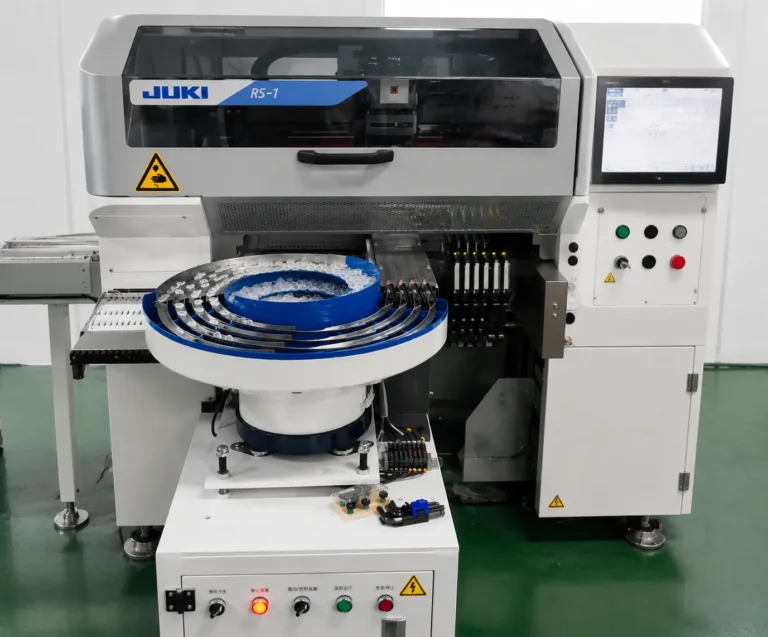
A measured comparison of throughput, quality and labour between manual, semi-automatic and automatic lens feeding, with arithmetic you can check on your own line.
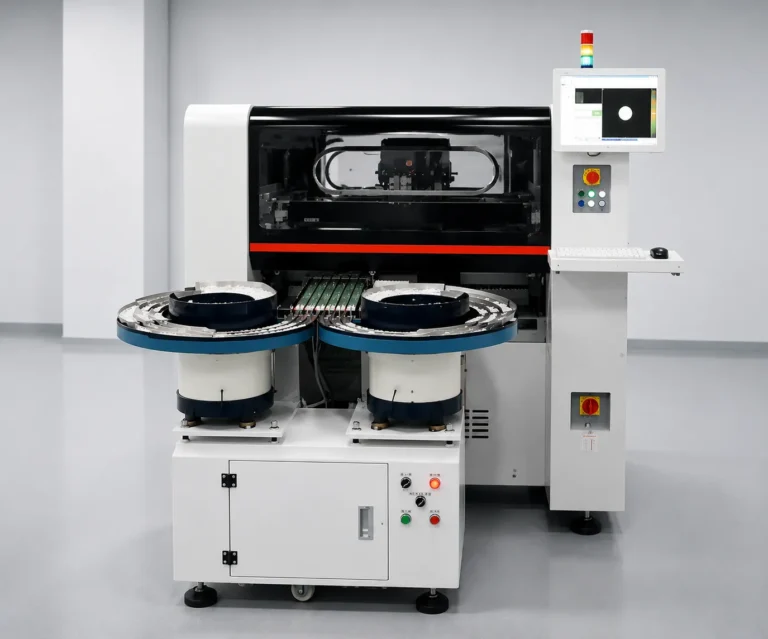
40 answers on the JHIMS DPS-2 lens vibratory feeder: specifications, capacity, machine compatibility, lens range, tooling, commercial terms and how to run a sample test.
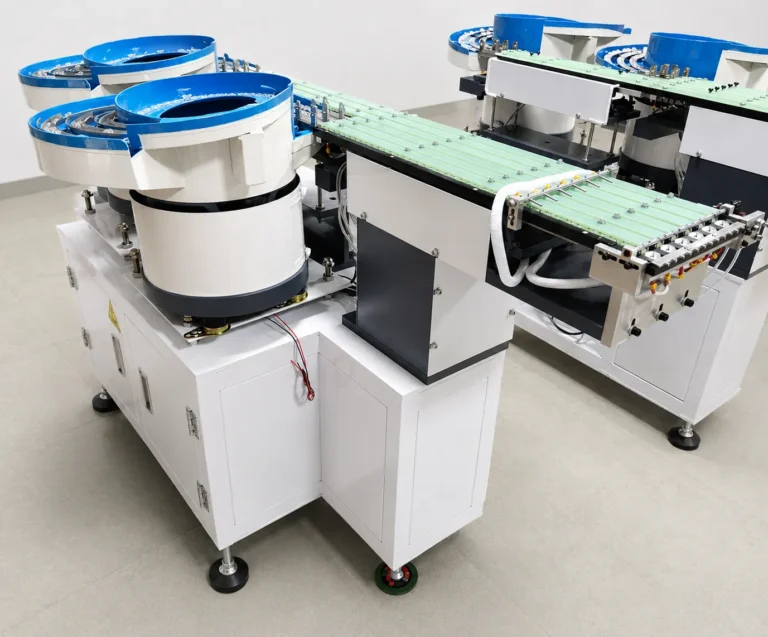
Dual-frequency vs single-frequency vibratory feeding compared on amplitude stability, drift across bowl load, alignment quality and rejection — plus three checks for your own lens.
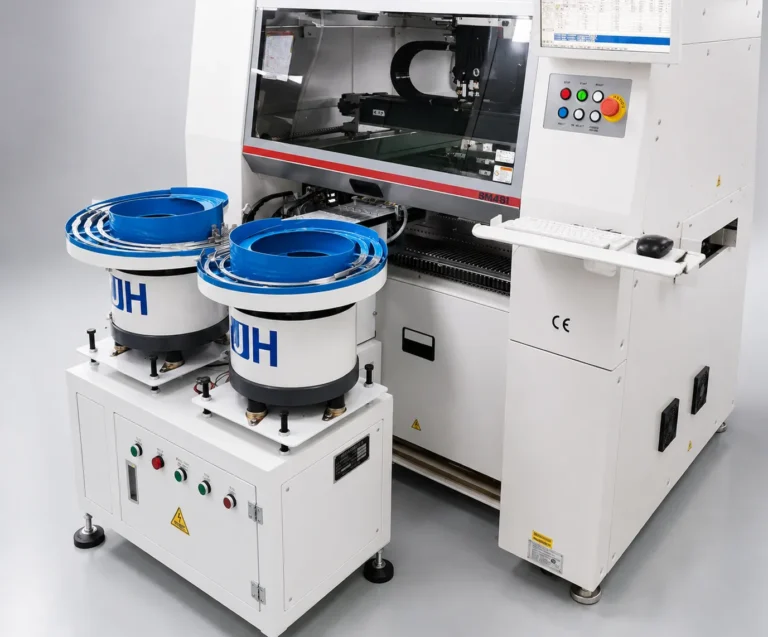
A working glossary of SMT lens feeding: 30 terms, plus the throughput, rejection and changeover numbers behind them and how to verify each figure on your lens.
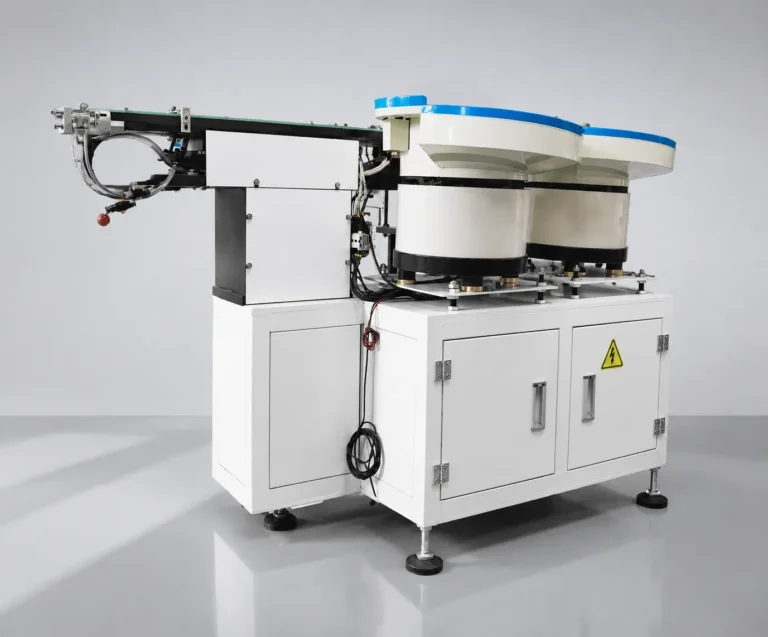
How a 12-line TV backlight plant moved from hand-placed lenses to 24 DPS-2 feeders: rejection 12% to 0.3%, throughput 900 to 3,420 UPH, OEE 58% to 81%, payback in 7 months.
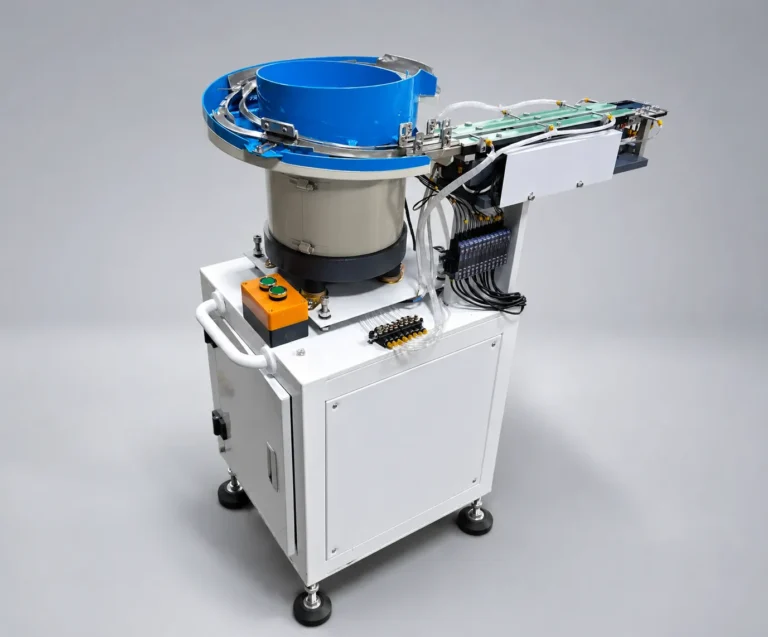
85% faster lens changeover (25+ min to under 5) and 30% more throughput at a leading Chinese TV brand — two JHIMS DPS-2 multi-channel feeders, 15+ lens types.
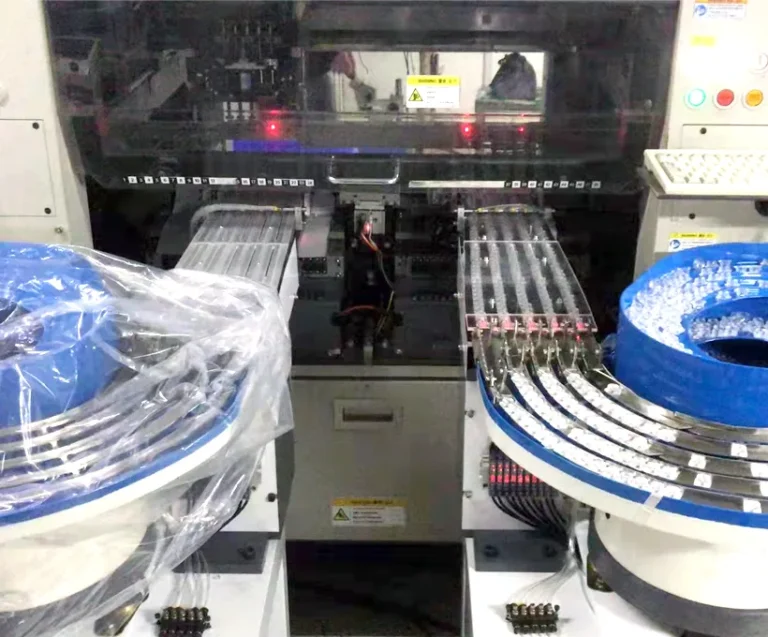
Toyota-audit lens feeding case study in Vietnam: a custom DPS-2 feeder for LED lens assembly — jams eliminated, 30% faster feeding and 15% lower cost on a Samsung SLM120S line.
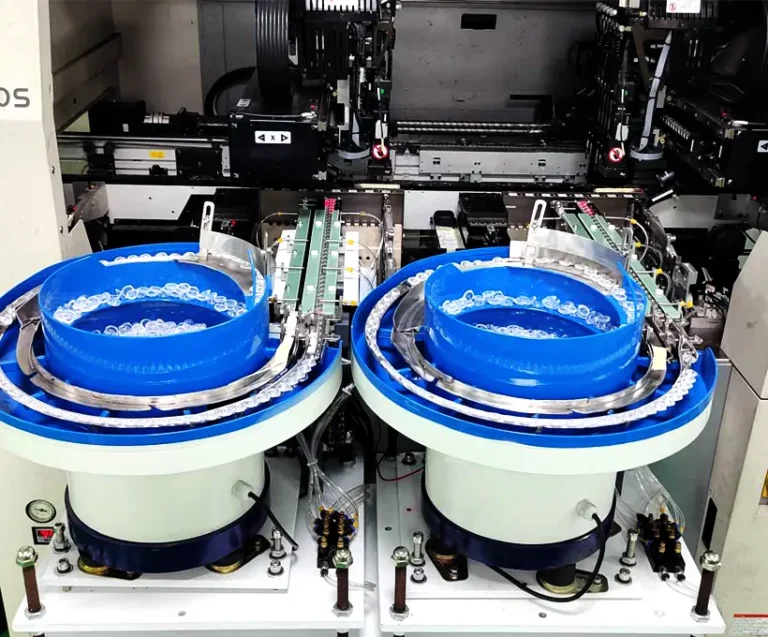
Repeat order case study: how a TV backlight maker in Xiamen added DPS-2 lens feeders and reproduced 10,000 CPH, a 2% jam rate and 99% alignment on new lines.
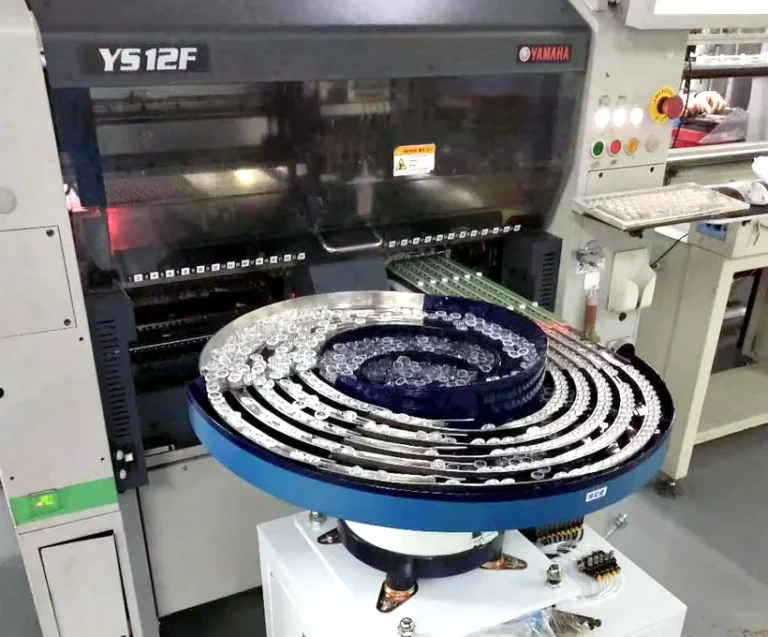
8-step buying path for SMT lens vibratory feeders: requirements, technology, BOM, verification, TCO, and de-risking — with the acceptance numbers to sign against.
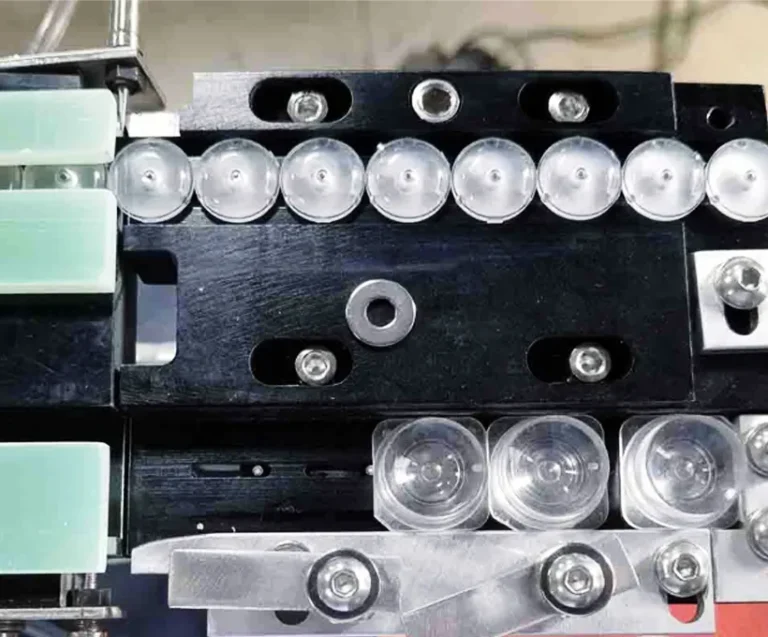
Diagnose DPS-2 lens feeder faults in order: decision tree, the 5 faults behind most service calls, the fixes to avoid, and the maintenance routine that stops them returning.