Address
Building A1, Runteng Industrial Park, No. 4 Xishan Road, Longteng Community, Shiyan Subdistrict, Bao'an District, Shenzhen 518000, China
Work Hours
Monday to Saturday: 09:00 – 23:00 (UTC+8)
Sunday: closed
Address
Building A1, Runteng Industrial Park, No. 4 Xishan Road, Longteng Community, Shiyan Subdistrict, Bao'an District, Shenzhen 518000, China
Work Hours
Monday to Saturday: 09:00 – 23:00 (UTC+8)
Sunday: closed

Russian LED panel light bar maker added a JHIMS DPS-2 lens feeder to its Hanwha SM481 line: throughput +35%, downtime -25%.
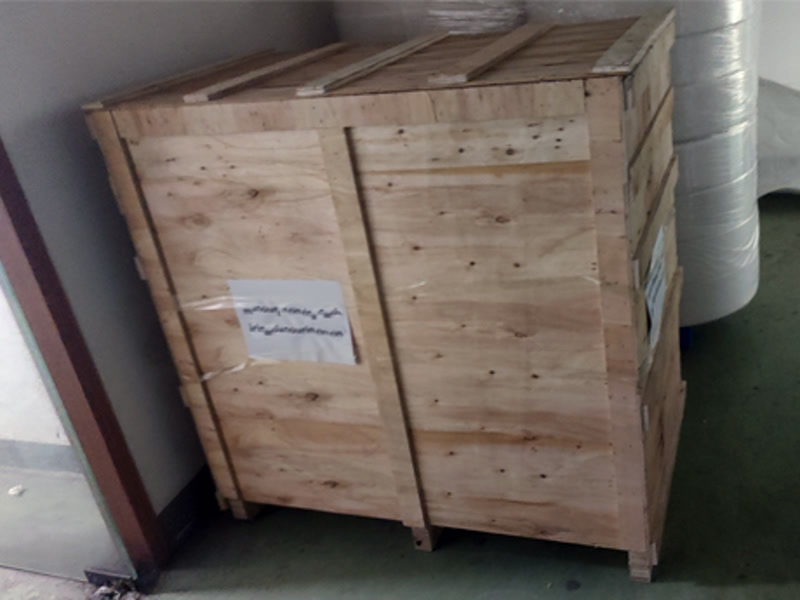
DPS-2 lens vibrating feeder integrated with an existing Hanwha SM481 line for a Russian LED panel light bar maker: +35% throughput, -25% downtime.
At a glance: who the customer is, where the machine was delivered, and what drove the investment.
LED panel light bar assembly is a case where the economics are visible: precise, high-volume lens placement, few variants, and a cost set by labor time and rework. Manual work sets the ceiling.
Shenzhen Jinghe Technology Co., Ltd. (JHIMS) supplies SMT and PCB assembly equipment to clients worldwide; a project with a Russian LED lighting manufacturer used its lens vibrating feeder.
The customer makes LED panel light bars, where lens placement accuracy and volume decide quality and delivery. Lenses were oriented and placed by hand, which limited output and raised labor cost as demand grew.
The constraint was a manual lens assembly step, published as a 40% efficiency gap. The operator held the quality standard, but the pace was set by the person, not the machine, and hand handling added its own defects.
Three challenges decide the outcome: the 40% efficiency gap that sets the size of the prize, several lens types to run without changeover delays, and fitting an installed Hanwha SM481 line without stopping it.
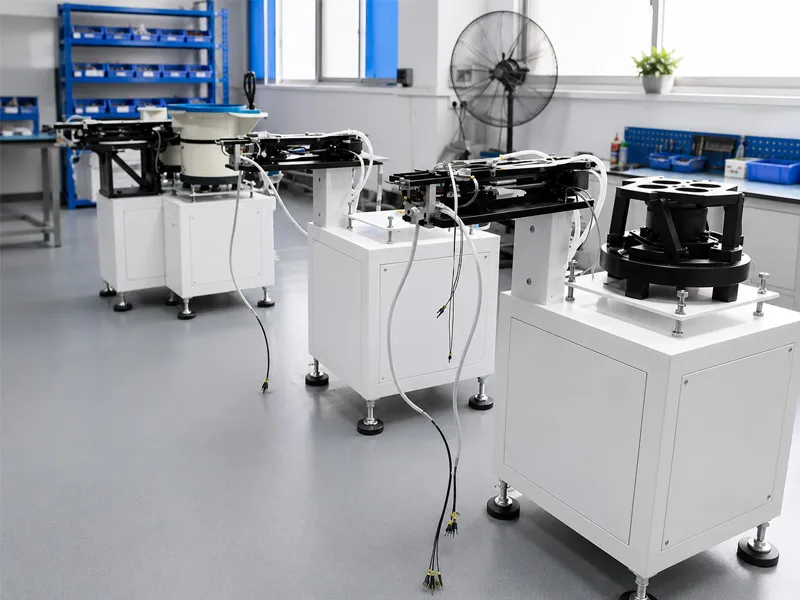
Before selecting the DPS-2, the customer verified five non-negotiable requirements:
Five non-negotiable requirements were confirmed before selection: Hanwha SM481 compatibility, lens types without retooling, throughput that clears the bottleneck, consistent quality, and no disruption to production.
The five requirements the customer confirmed before selecting the DPS-2, and how each was addressed.
| Requirement | What it means in practice | How it was met |
|---|---|---|
| Proven compatibility | Must work with the machines already on the line | DPS-2 integrated with the existing Hanwha SM481 line |
| Multi-type flexibility | Several lens types without retooling delays | Up to five lens types handled with adjustable 50–120 Hz frequency |
| High throughput | Feeding must stop limiting line output | Automated presentation removes the manual pace limit |
| Consistent quality | Every panel light bar identical | Stable amplitude and orientation at the escapement |
| Plug-and-play installation | No disruption to running production | Standalone control cabinet, head-specific bracket, no machine modification |
Why JHIMS: decades of automation experience, rigorous testing for reliable products, and real, transparent success stories — backed by open customer feedback shared on YouTube.
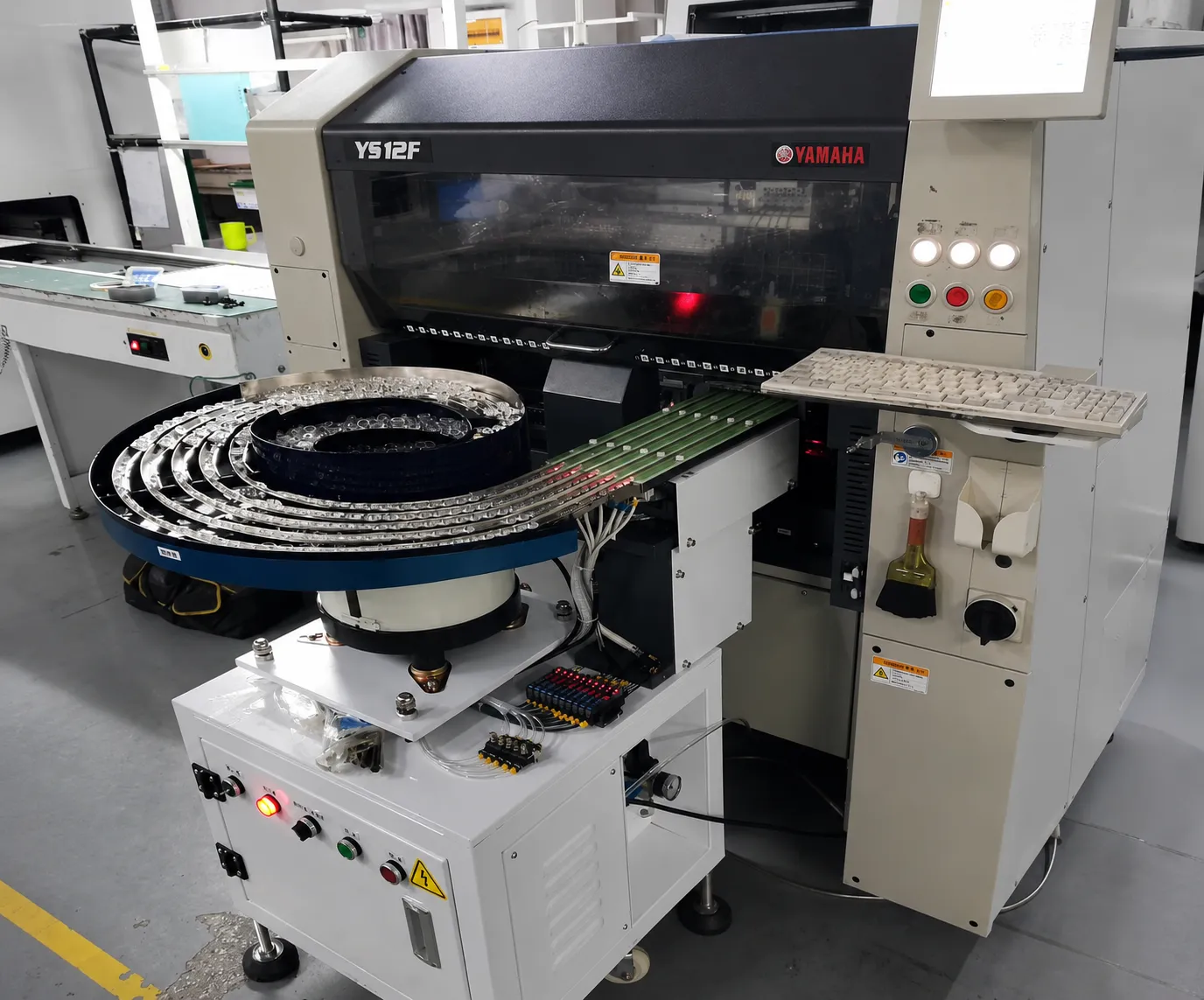
A single DPS-2 lens vibrating feeder was integrated with the customer’s existing Hanwha SM481 machines: placement was automated, the line was not replaced. It runs up to five lens types at 50–120 Hz without retooling.
| Item | Model | Qty |
|---|---|---|
| Lens Vibratory Feeder | JHIMS DPS-2 | 1 |
| Pick-and-Place Integration | Hanwha SM481 (existing) | 1 |
The DPS-2 was delivered and integrated with the customer’s existing Hanwha SM481 line.
| Feature | Details |
|---|---|
| Model | JHIMS DPS-2 Lens Vibratory Feeder |
| Lens Diameter Range | 3 mm – 25 mm |
| Lens Types | Round, three-foot, four-angle, rectangular-cutout |
| Transfer Speed | 0.5–1 s per lens per channel (3,600–7,200 UPH/channel) |
| Rejection Rate | Under 0.5% (typically 0.2–0.4%) |
| Alignment Tolerance | ±1 mm |
| Tracks | 2 disc tracks standard, expandable to 10 |
| Vibration Frequency | Circular 50–120 Hz; direct 100–200 Hz |
| Dimensions | 1050 × 700 × 750 mm (approx. 130 kg) |
| Power Supply | 220V AC, 50–60 Hz, single phase, 0.55 KVA |
| PLC / HMI | Mitsubishi FX5U / 7-inch Weintek HMI (50 profiles) |
| Compatibility | Hanwha SM481/482/HM520/DECAN, Yamaha, JUKI, Samsung, Hitachi, Fuji |
The delivered configuration was one DPS-2 feeder with its own control cabinet mounted on the existing Hanwha SM481 line. Lens diameters from 3 mm to 25 mm are covered, so the placement machine is not modified.
The configuration as delivered, against the published DPS-2 specification.
| Item | Configuration |
|---|---|
| Feeder | JHIMS DPS-2 lens vibratory feeder, one unit |
| Integration | Existing Hanwha SM481 pick-and-place line |
| Lens diameter range | 3 mm – 25 mm |
| Lens types | Round, three-foot and other common LED lens outlines |
| Frequency range | Adjustable 50–120 Hz |
| Stored profiles | Up to 50, recalled in under 3 seconds |
| Changeover | Under 5 minutes per lens type |
| Burn-in | 48 hours with the customer’s own lens samples |
| Published outcome | +35% throughput, −25% downtime |
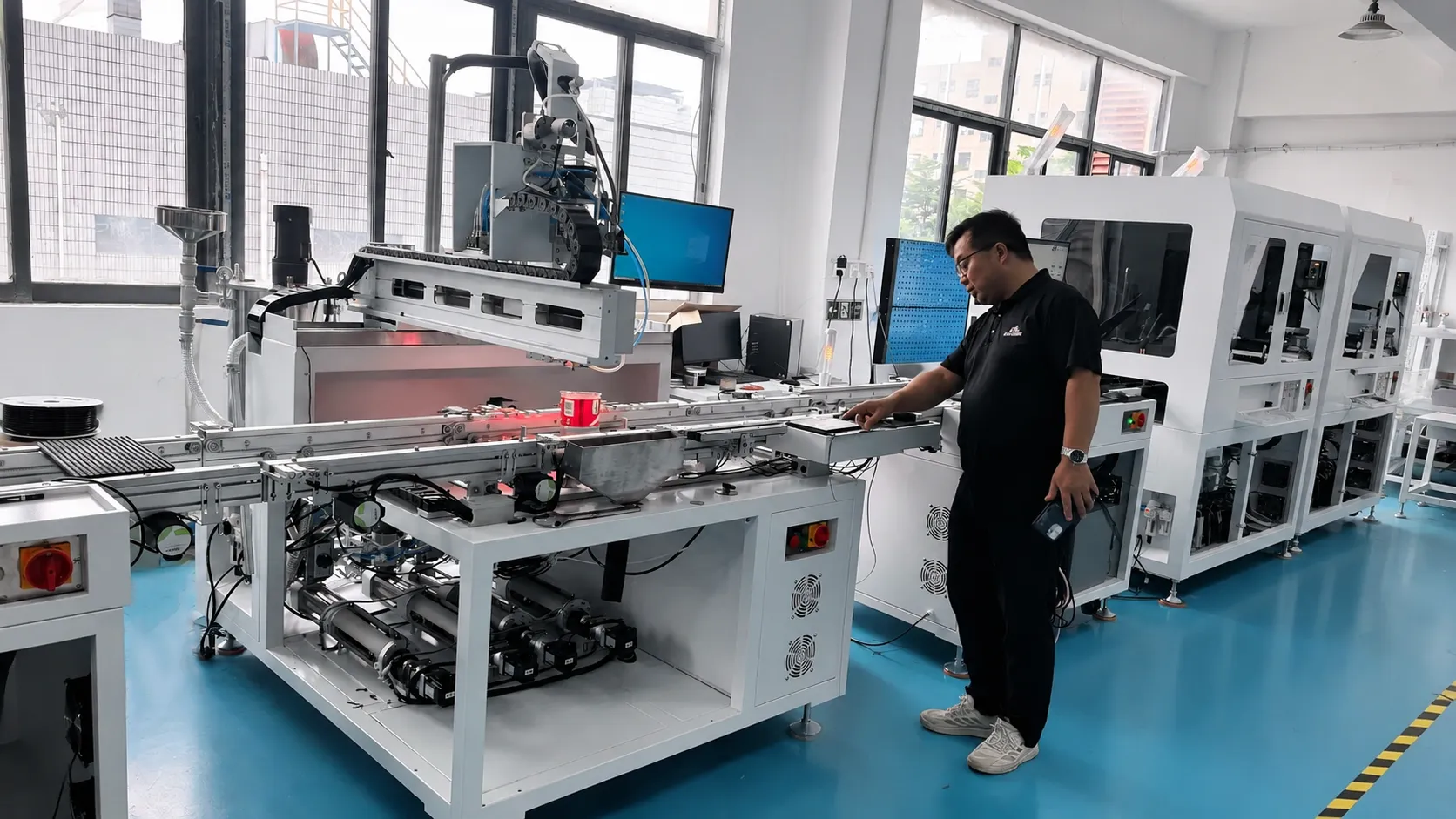
The DPS-2 was built, tuned and burned in for 48 hours with the customer’s own lenses at the JHIMS factory, then integrated with the Hanwha SM481 line. Changeover takes under 5 minutes, with up to 50 saved profiles.
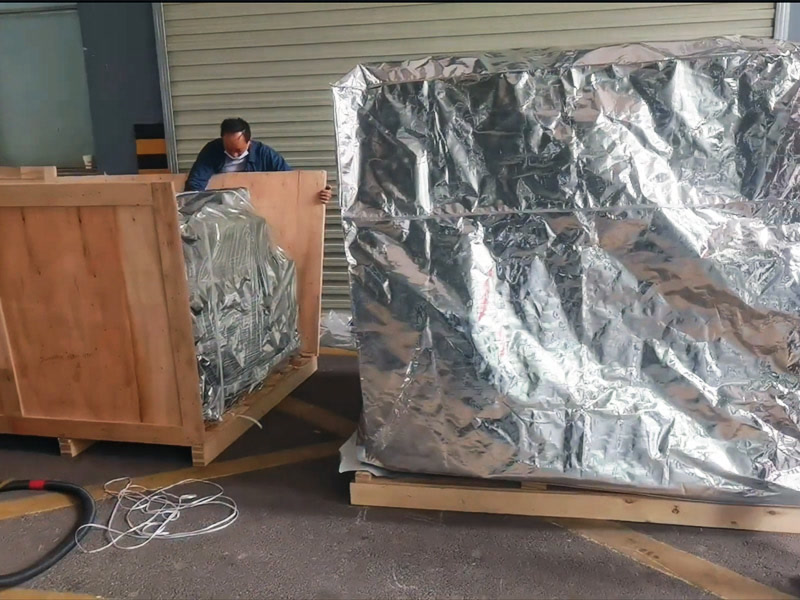
Delivery followed the sequence used for every feeder of this class.

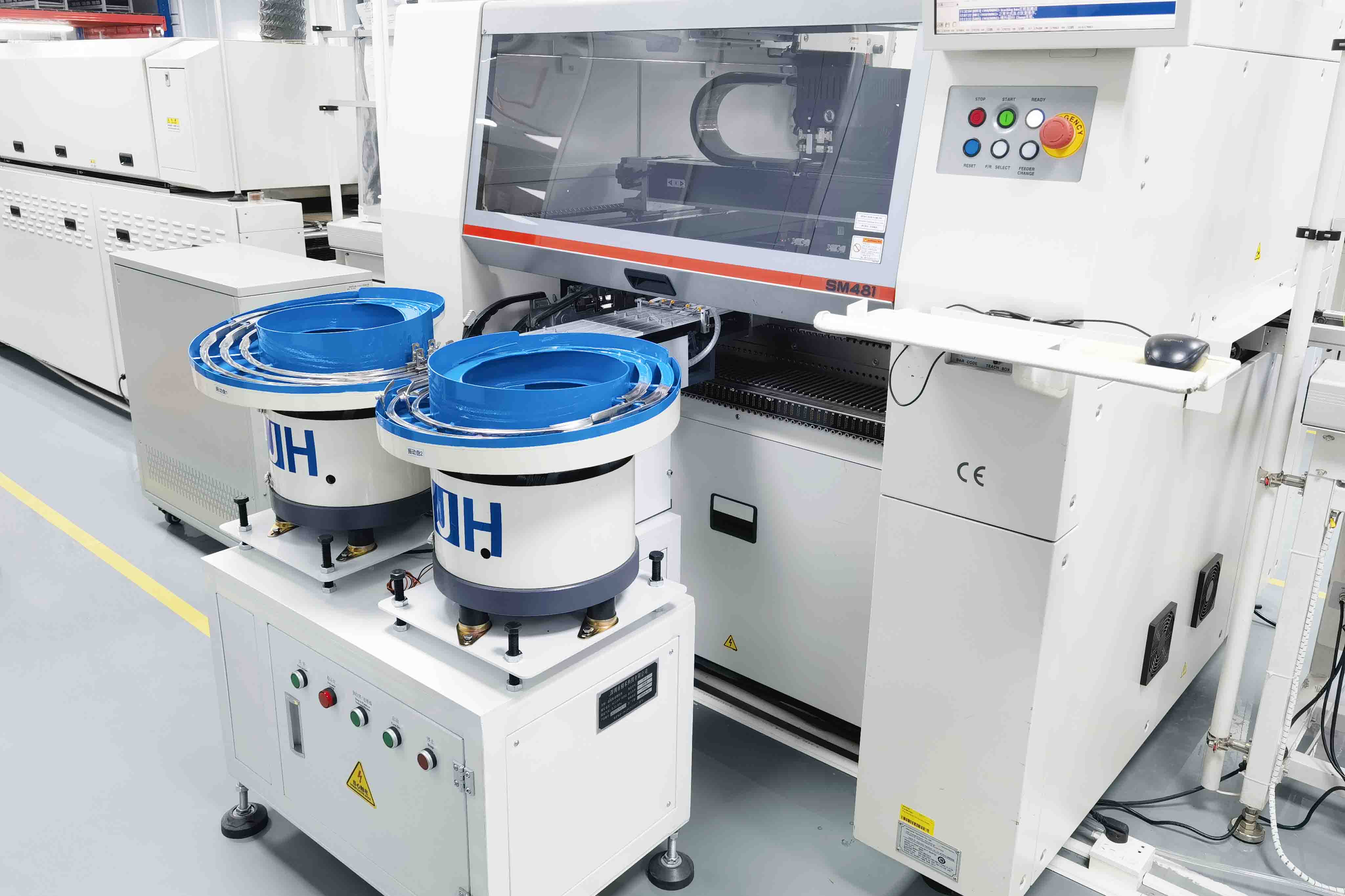
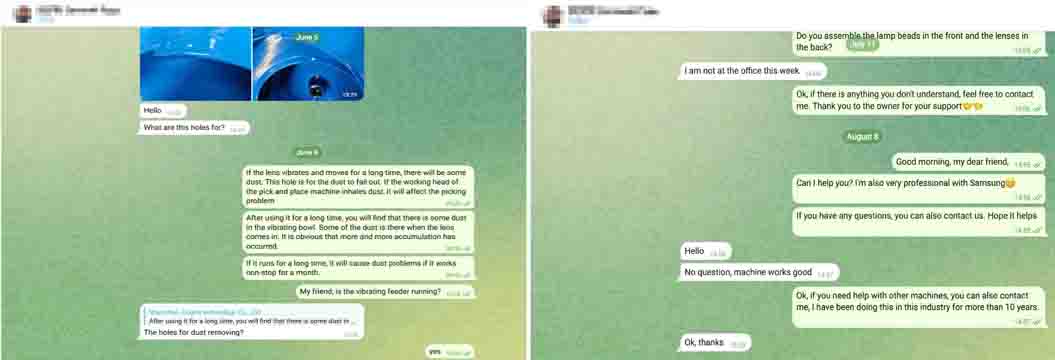
Watch the JHIMS lens vibrating feeder feeding lenses on a pick-and-place line — the same feeder model delivered to this Russian LED lighting customer. Watch the full lens feeder video on YouTube.

The video shows the feeder feeding lenses on a pick-and-place line.
Production efficiency rose with a 35% throughput boost and 25% less downtime after automation: the feeder removed manual lens handling and its vibration control cut jams to near zero.
JHIMS’s feeder transformed our workflow — no issues, just results. — Russian LED Lighting Customer
The production manager from the Russian client shared: “The lens vibrating feeder not only increased our SMT efficiency by 35%, but its reliability has saved us countless hours in maintenance. JHIMS delivered beyond expectations.”
The published result is +35% throughput and -25% downtime: manual lens handling was eliminated and jams fell to near zero. The gain came from removing the human pace limit, the downtime cut from fewer stoppages.
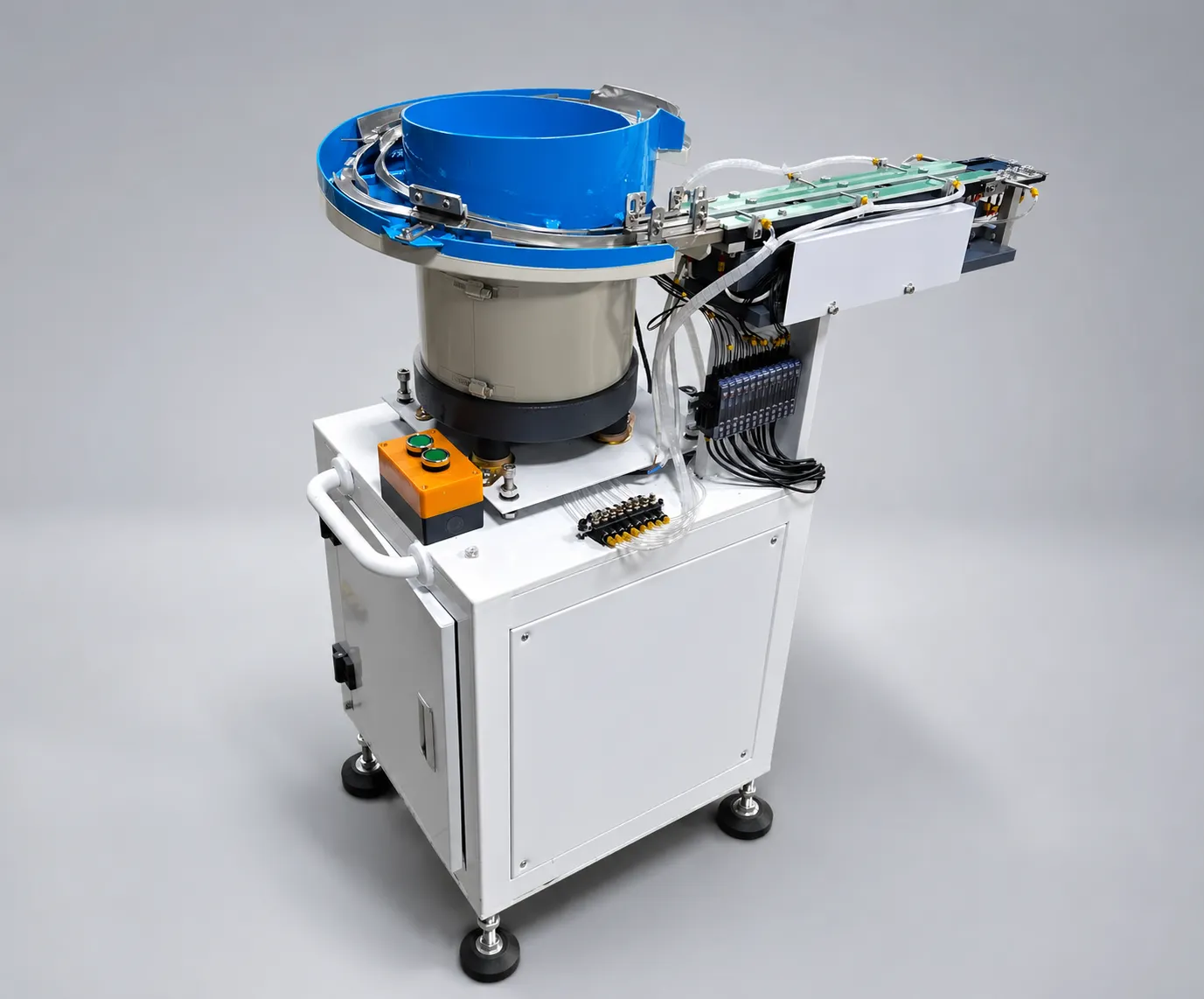
Most lens feeding projects are additions to an existing line, not new lines: the constraint is the interface with a machine the customer owns. Disruption is the main risk — platform position, triggering, lens recovery.
A feeder with its own control cabinet answers the three concerns without touching the customer’s machine.
 FeaturedDPS-2 Lens Vibratory FeederDual-frequency vibratory lens feeder — 0.5–1s per lens, 3–25mm lenses, 2 disc tracks expandable to 10.View product →
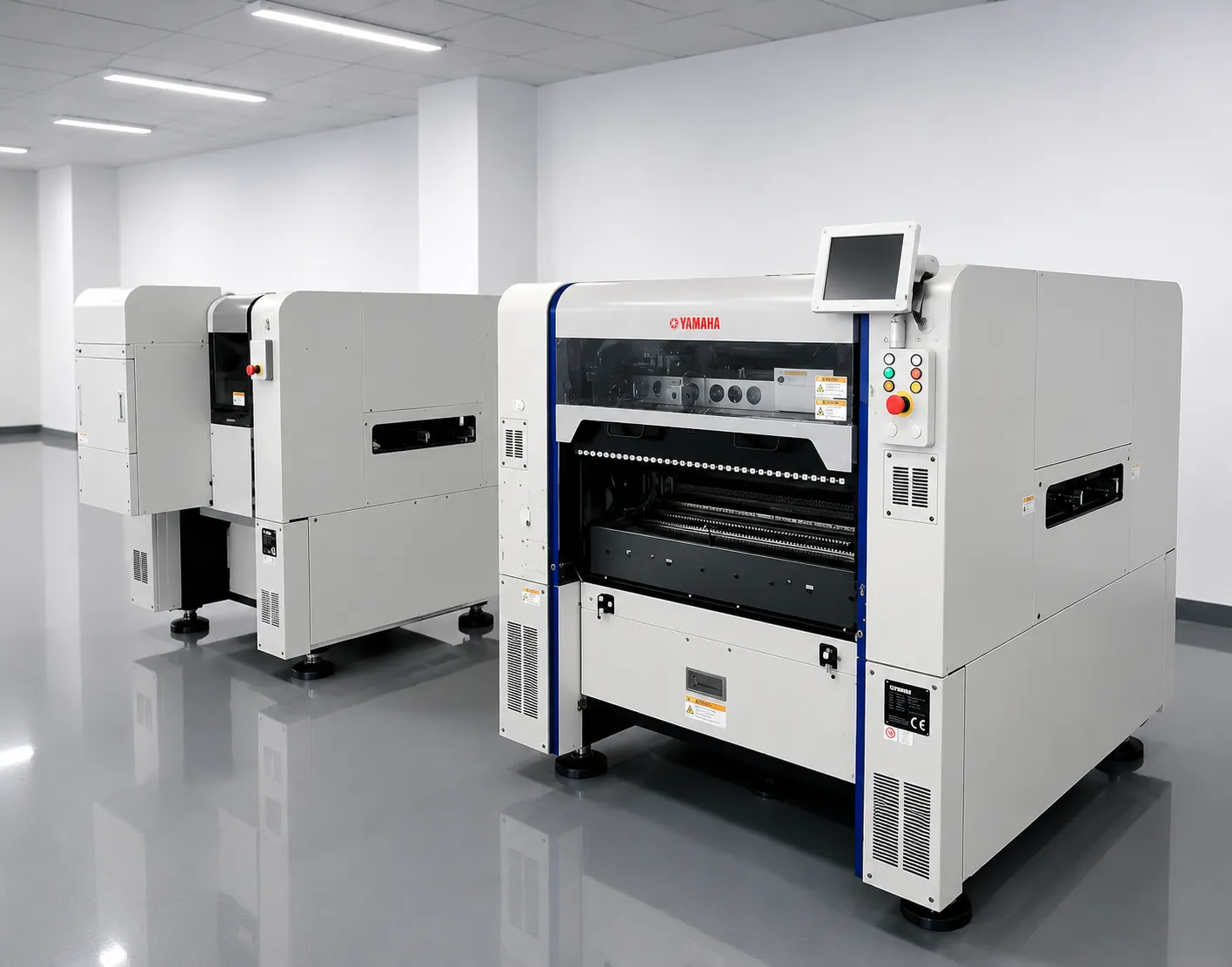
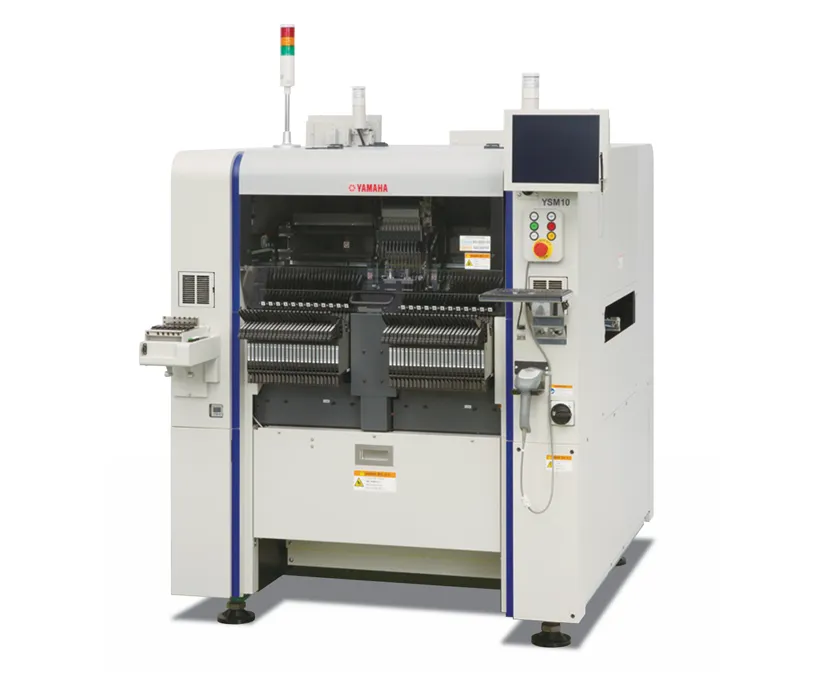 CompanionYamaha YSM10 MounterHigh-speed compact modular mounter – 46,000 CPH, 96 feeders, e-Vision + Side View.View product →
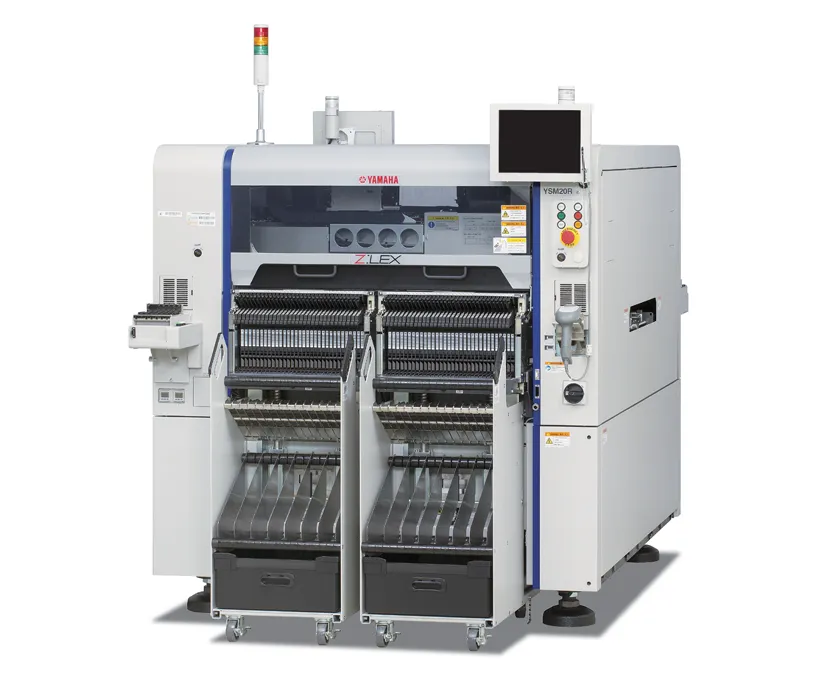 RelatedYamaha YSM20R MounterHigh-speed modular mounter – 95,000 CPH, 140 feeders, 0201 to 55×100mm components.View product →
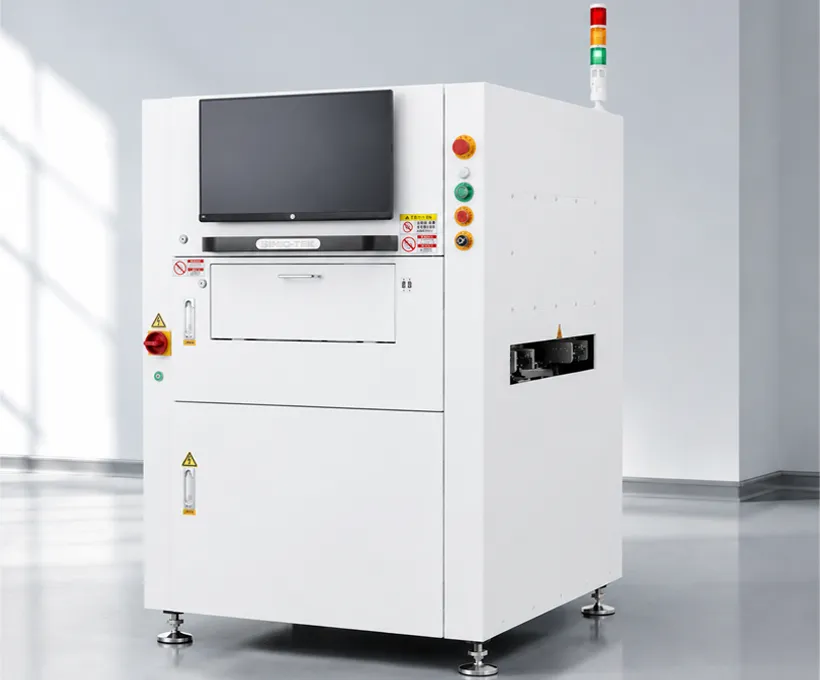 RelatedJHIMS S630 3D SPI3D solder paste inspection – verifies print quality before reflow.View product →
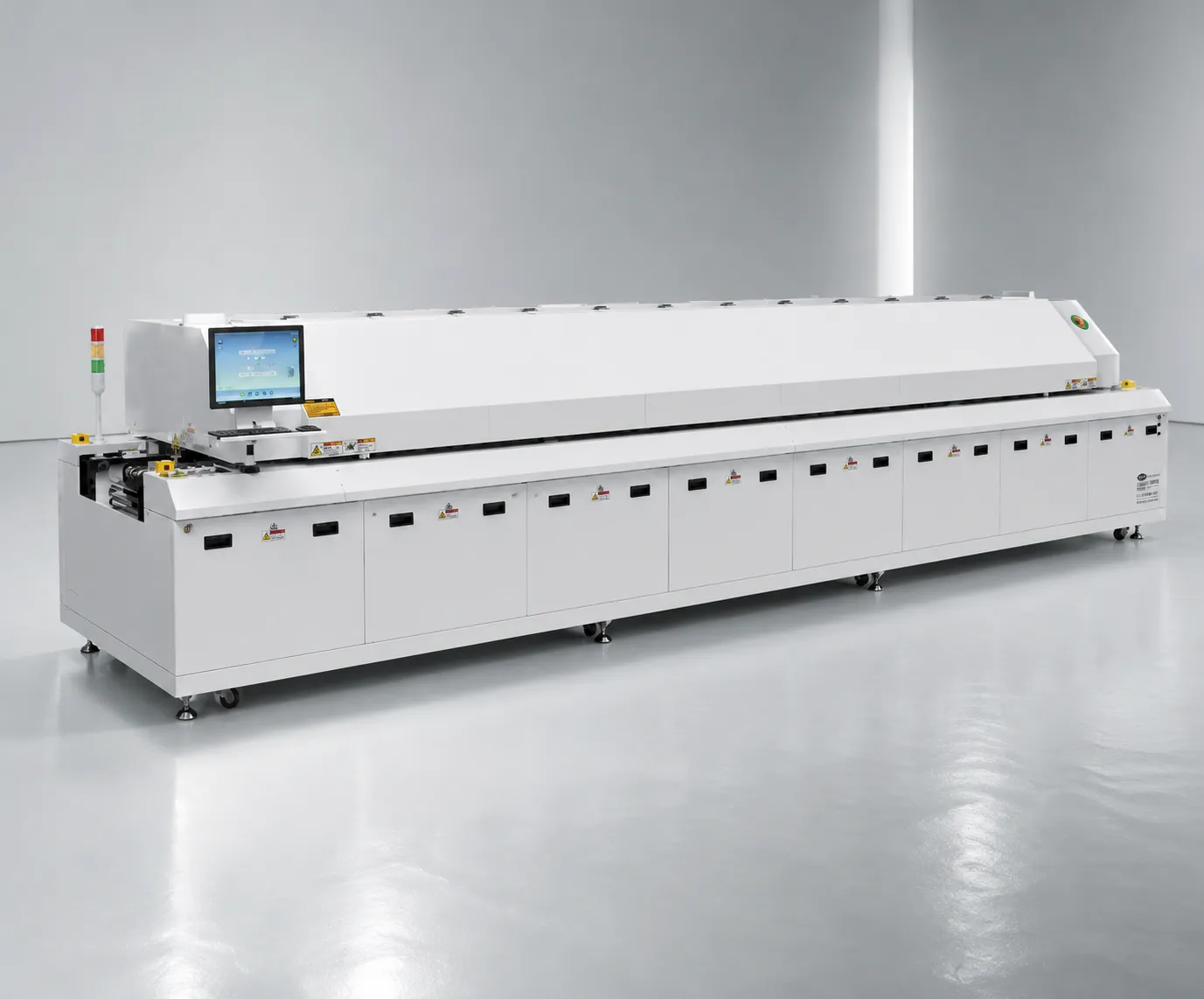 RelatedJHIMS R10 Reflow OvenLead-free hot-air reflow soldering for SMT lines – 20 heating zones, up to 300°C peak.View product →
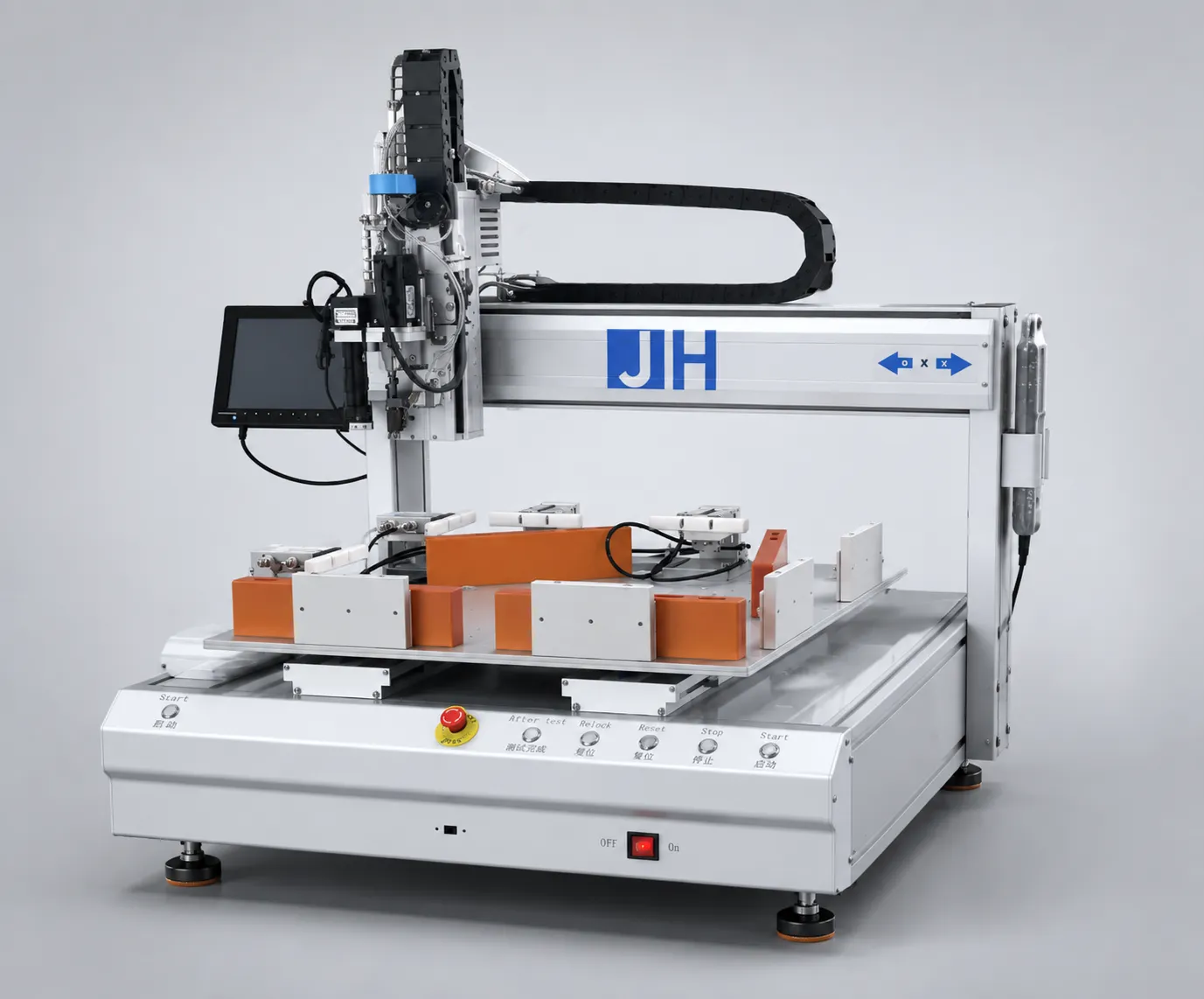 RelatedJHIMS ZM500 Screw MachineAutomated screw tightening and removal for electronics assembly.View product →
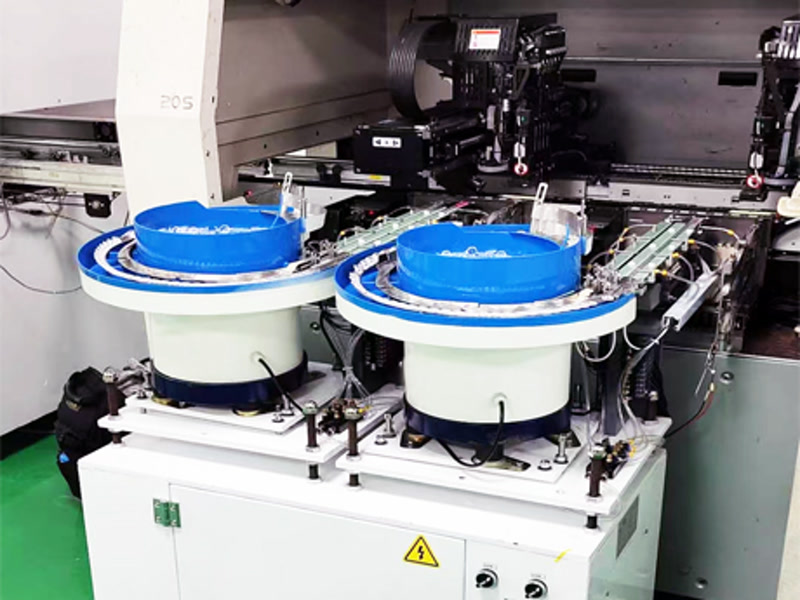 Case StudyXiamen TV Backlight CaseSMT lens feeder for a Xiamen TV panel manufacturer.Read article →Case StudyHanwha SM481 Dongguan CaseCustom lens feeder for a Dongguan LED manufacturer.Read article →ComparisonSMT Lens Feeder Comparison 2026An objective comparison of technology, component quality, price positioning, and best-fit customer profiles across global brands.Read article →
 GuideSourcing SMT Equipment from ChinaA risk-managed procurement guide – sourcing, QC and delivery for SMT equipment from China.Read article →
 Case StudySpain LED YSM20R CaseFour used YSM20R machines powering a Spanish LED display manufacturer’s production lines.Read article →
 SupportTechnical SupportGlobal after-sales support, remote training, spare parts and service requests.Get support →
Contact JHIMS for a free consultation on lens feeder integration — we reply within 12 working hours (Mon–Sat, 09:00–23:00 China Standard Time, UTC+8).