Address
Building A1, Runteng Industrial Park, No. 4 Xishan Road, Longteng Community, Shiyan Subdistrict, Bao'an District, Shenzhen 518000, China
Work Hours
Monday to Saturday: 09:00 – 23:00 (UTC+8)
Sunday: closed
Address
Building A1, Runteng Industrial Park, No. 4 Xishan Road, Longteng Community, Shiyan Subdistrict, Bao'an District, Shenzhen 518000, China
Work Hours
Monday to Saturday: 09:00 – 23:00 (UTC+8)
Sunday: closed

Xiamen TV backlight maker cut its lens-feeding bottleneck with a JHIMS DPS-2 feeder on Hanwha lines: throughput +67% (6,000 to 10,000 CPH), jams -87%, 99% lens alignment.
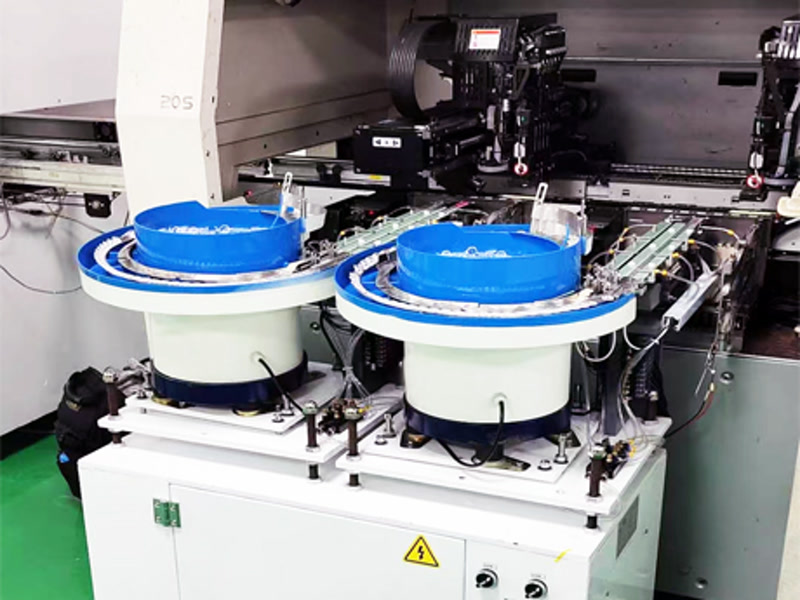
Xiamen TV backlight maker removed its lens-feeding bottleneck with a JHIMS DPS-2 feeder on Hanwha SM482 and SLM120S lines.
At a glance: who the customer is, where the machine was delivered, and what drove the investment.
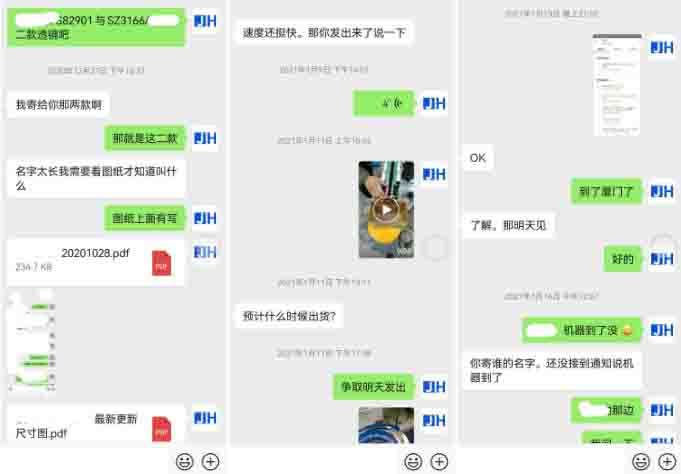
A Xiamen TV-panel and backlight maker was still running lens feeders specified for an earlier lens generation. As designs moved to thinner bezels, complex pin geometries caused orientation errors, lenses rotated under vibration and high-speed runs jammed — cutting throughput and raising cost.
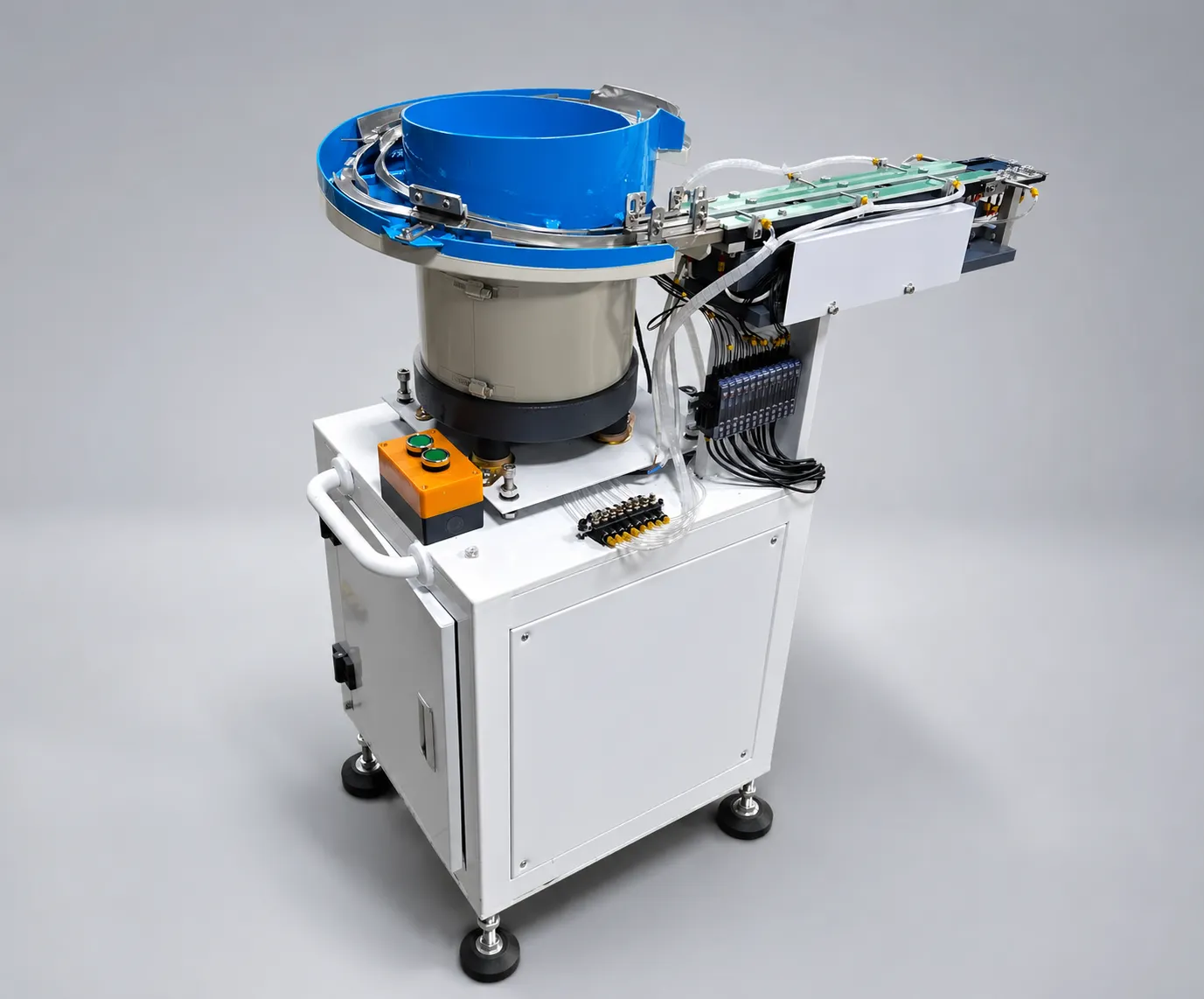
The five reported problems were symptoms of how a lens behaves in a vibrating bowl — not of machine speed. Fixing only one leaves the other four in place, so they were treated as a single problem.
A backlight lens is light and carries orientation features, so it is easy to move but hard to orient — the throughput limit usually appears at the orientation step, not at the transport step.
Each reported challenge, the mechanism behind it in the feeding path, and the design response that followed.
| Reported challenge | Mechanism in the feeding path | Design response |
|---|---|---|
| Orientation errors on complex pin designs | Pins give the lens a preferred attitude that a single-frequency drive cannot correct at the exit | Direct-vibration stage settles each lens into the correct attitude before pickup |
| Lens rotation during vibration | The same motion that conveys parts also spins them once amplitude is raised for speed | Circular and direct vibration controlled separately, so the bulk rate no longer disturbs alignment |
| Recurrent jamming in high-speed runs | Parts bridge at channel entries and stack at gates when the track is pushed past its conveying window | Narrowed bowl channels sized for 7-20 mm lenses, with frequency tuned per lens family |
| Feeding rate below 8,000 CPH | Lost feed time, recovery time and re-orientation of disturbed lenses after every jam | 10,000+ CPH achieved at 0.2 s per lens with jam rate reduced to 2 percent |
| Poor adaptability across lens variants | Each lens generation needs its own track geometry and drive settings | Customizable routes plus independent channels and stored profiles |
| Alignment accuracy of 85 percent | Lenses fed correctly but arrived turned, so the nozzle picked them off-position | Alignment accuracy raised to 99 percent with a plus or minus 1 mm pickup window |
| Defects discovered downstream | Lens supply faults were only visible after placement and later optical test | Rejection held below 0.5 percent, typically 0.2-0.4 percent, measured at the feeder |
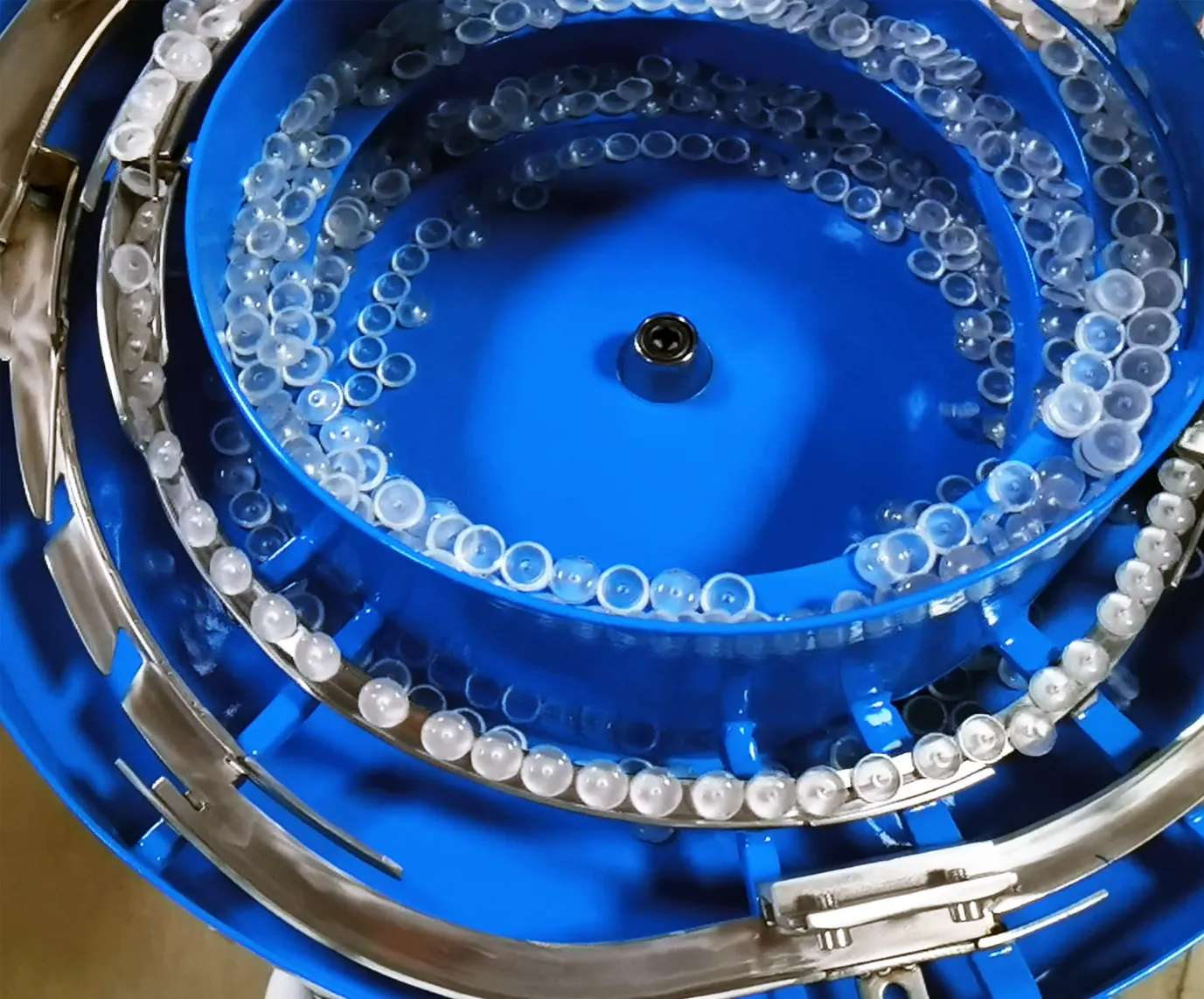
Before selecting the JHIMS SMT lens feeder, the customer verified three non-negotiable requirements:
The three requirements were written as measurable acceptance conditions: hold the line rate on every 7–20 mm lens variant, work with the Hanwha SM482 and SLM120S machines already on the floor, and make a lens change a recalled setup instead of an engineering project.
Why JHIMS: patented technology with a 20-year design lifespan, 10+ years of SMT automation expertise, a 1-year warranty with 24/7 support. Alignment is corrected continuously, not inspected afterwards: dual-vibration splits bulk conveying (50–120 Hz) from fine settling (100–200 Hz), so raising the rate does not disturb alignment, and the 48-hour burn-in runs on the customer’s own lens samples.
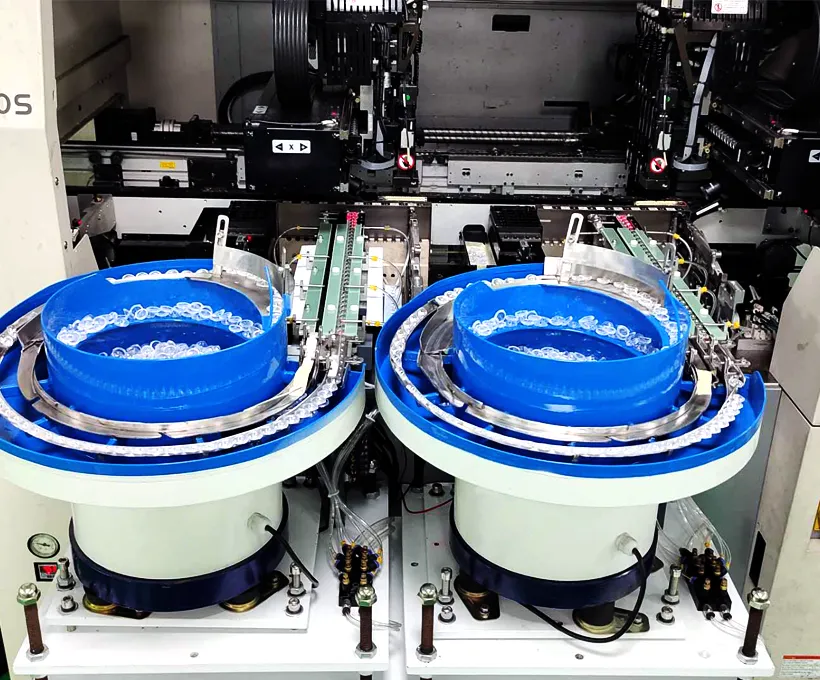
| Item | Model | Qty |
|---|---|---|
| SMT lens feeder | JHIMS DPS-2 | 1 |
| Pick-and-Place Integration | Hanwha SM482 / SLM120S (existing) | 1 |
The SMT lens feeder was delivered and integrated with the customer’s existing Hanwha pick-and-place infrastructure.
| Feature | Details |
|---|---|
| Channels | 1–10 |
| Lens Size | 7–20mm |
| Feeding Speed | 0.2s per lens (10,000+ CPH achieved) |
| Vibration Frequency | Circular 50–120 Hz; direct 100–200 Hz |
| Rejection Rate | Under 0.5% (typically 0.2–0.4%) |
| Alignment Tolerance | ±1 mm |
| Power Supply | 220V, 0.5 kW |
| Compatibility | Hanwha SM482, SLM120S, and other major SMT brands |
| Design Lifespan | 20 years (patented vibration technology) |
Two details matter on a mixed line: 1–10 independent channels let several lens types run without tooling swaps, and the rejection figure (under 0.5%, typically 0.2–0.4%) is measured at the feeder — before placement.
The published specification of the feeder delivered to this project, and what each figure governs on the line.
| Parameter | Published figure | What it governs in production |
|---|---|---|
| Feeder model | JHIMS DPS-2 lens vibratory feeder | Delivered as a drop-in unit for the existing Hanwha line |
| Lens size range | 7-20 mm | Covers the TV backlight lens families in the production schedule |
| Channels | 1-10, independently driven | How many lens types a shift can run without tooling changes |
| Feeding speed | 0.2 s per lens, 10,000+ CPH achieved | Line rate ceiling set by the feeder rather than by the mounter |
| Vibration frequency | Circular 50-120 Hz; direct 100-200 Hz | Bulk conveying separated from the final alignment stage |
| Alignment tolerance | Plus or minus 1 mm at the pickup window | How much nozzle teaching a new lens variant requires |
| Rejection rate | Under 0.5 percent, typically 0.2-0.4 percent | Rework and material waste generated upstream of placement |
| Power supply | 220V, 0.5 kW | Integration onto standard factory services |
| Compatible platforms | Hanwha SM482, SLM120S and other major SMT brands | Whether the feeder can be moved to another line later |
| Pre-shipment testing | 48-hour burn-in on the customer’s own lens samples | Confidence that the rate holds after installation |
| Design lifespan | 20 years, patented vibration technology | Replacement and maintenance planning for the line |
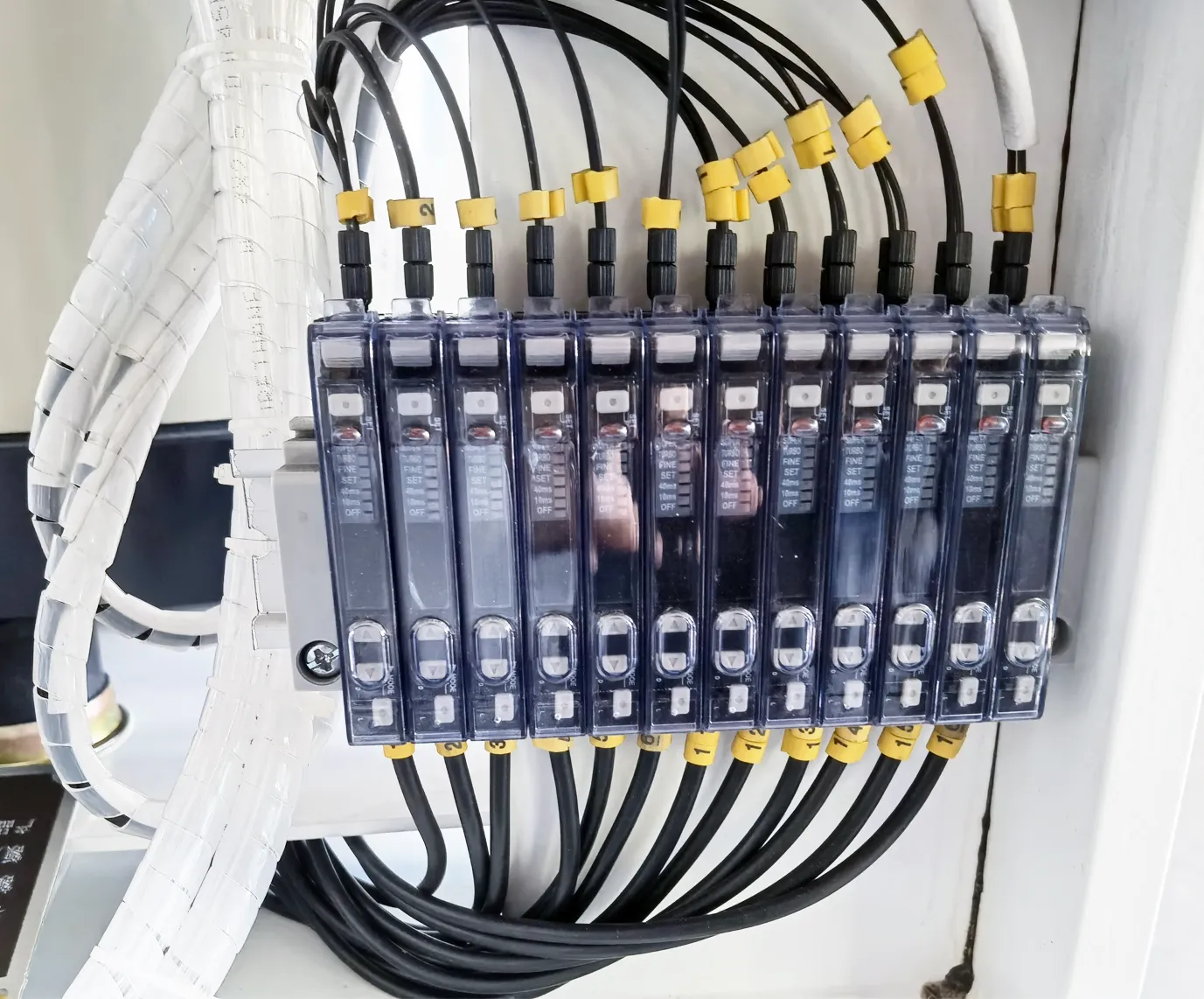
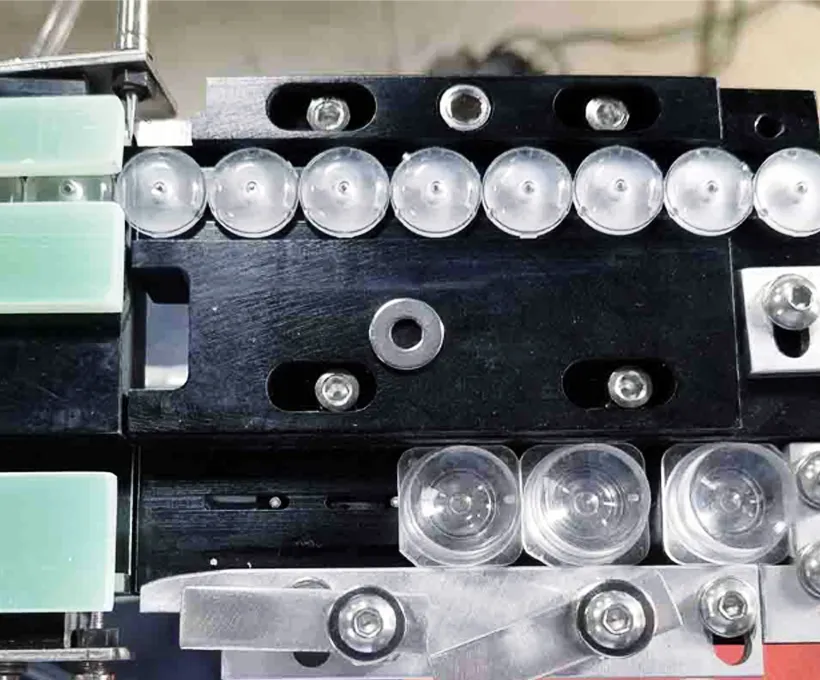
Within the first production week, the Xiamen facility confirmed the SMT lens feeder’s stable vibrations and reliable high-speed performance. The dual-vibration system eliminated lens rotation, while the optimized bowl channels kept every 7–20mm lens on a straight path to the pickup point.
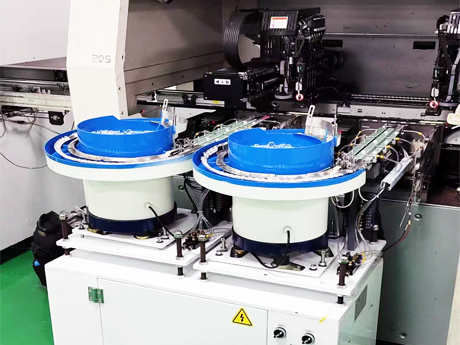
Scope was deliberately narrow: the feeder went onto the existing Hanwha line, and tuning ran on the customer’s own lens samples before shipment, so on-site work was pickup position and rate confirmation. The first production week — lenses from several moulds, full shift temperature drift — delivered the numbers below: 6,000 → 10,000 CPH, jams 15% → 2%, alignment 85% → 99%.
Watch the SMT lens feeder streamline TV backlight lens feeding on a Hanwha line. Watch the full feeder video on YouTube.

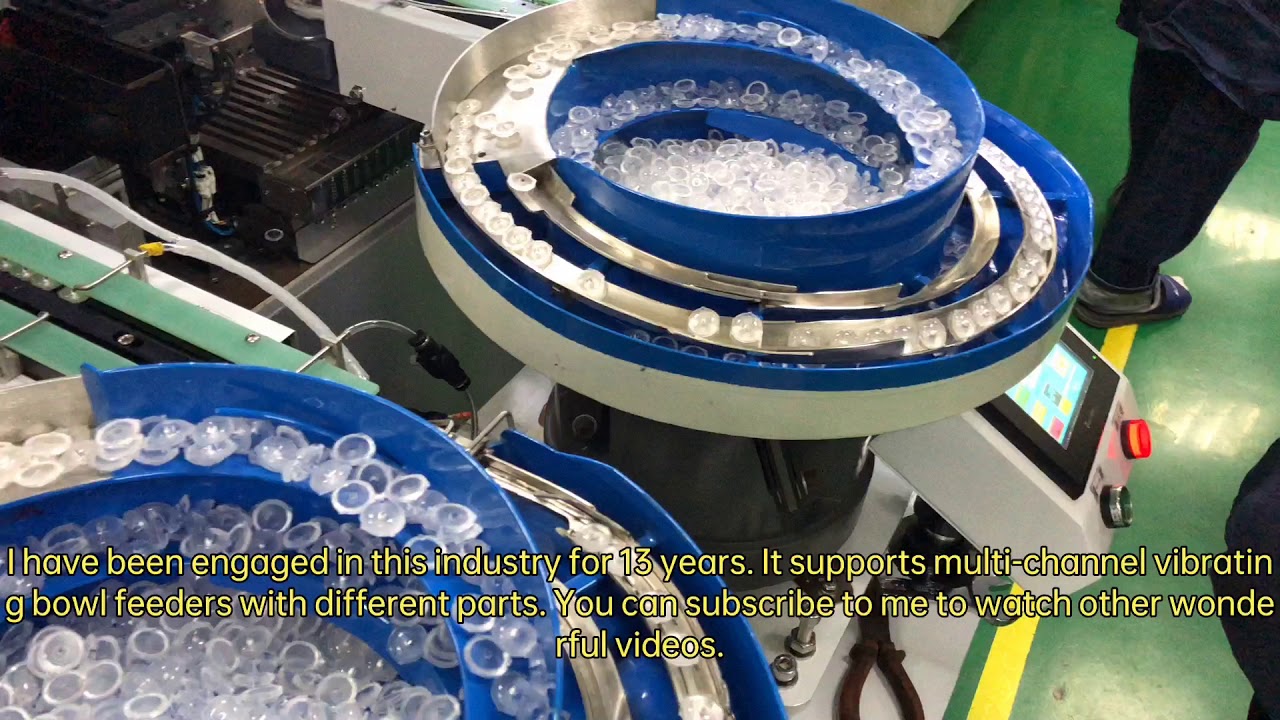
Watch the bowl-track exit: lenses should arrive one at a time, already correctly rotated, with no queue behind a turned part. Watch a starved channel refill — it should return to rate gradually, not in a burst. The 48-hour burn-in exists to expose settling, wear and thermal drift before shipment.
Post-implementation, the Xiamen facility reported that the SMT lens feeder delivered stable vibrations, enhanced routes, and reliable high-speed performance — solving diversity and speed issues while slashing costs.
| Metric | Before | After | Improvement |
|---|---|---|---|
| Throughput (CPH) | 6,000 | 10,000 | +67% |
| Jam Rate | 15% | 2% | -87% |
| Alignment Accuracy | 85% | 99% | +17% |
Throughput rose from 6,000 to 10,000 CPH (+67%), mainly because jams fell from 15% to 2%: every jam costs feeding time, recovery time and the re-orientation of parts behind it. Alignment rising from 85% to 99% removes a different loss — lenses that fed but arrived wrong, which shows up as rework and, in a backlight, as optical defects caught at a later test station.
Beyond throughput gains, the SMT lens feeder’s precision controllers reduced rework and material waste, supporting the manufacturer’s cost-reduction targets across its TV panel lines.
FeaturedDPS-2 Lens Vibratory FeederDual-frequency vibratory lens feeder — 0.5–1s per lens, 3–25mm lenses, 2 disc tracks expandable to 10.View product →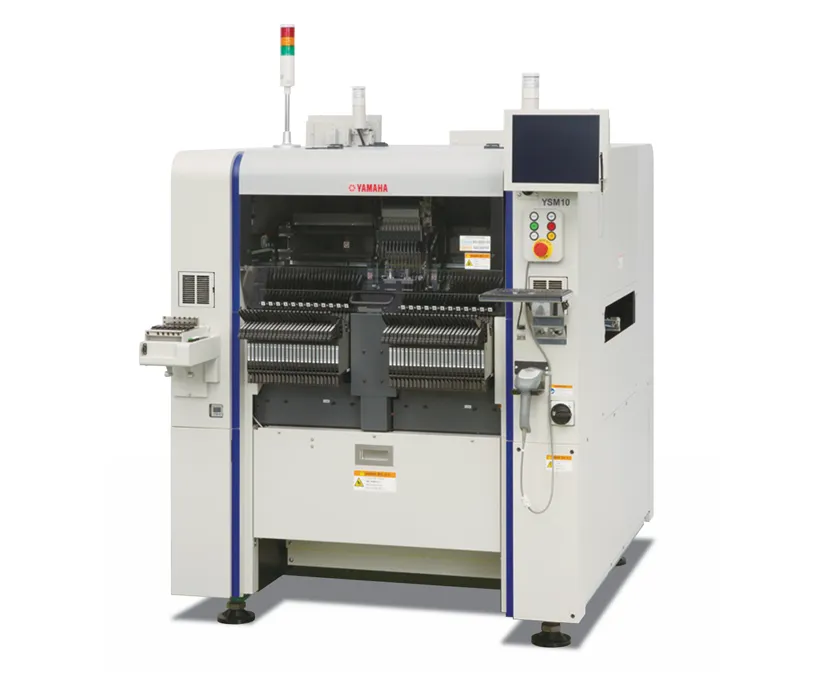 CompanionYamaha YSM10 MounterHigh-speed compact modular mounter – 46,000 CPH, 96 feeders, e-Vision + Side View.View product →
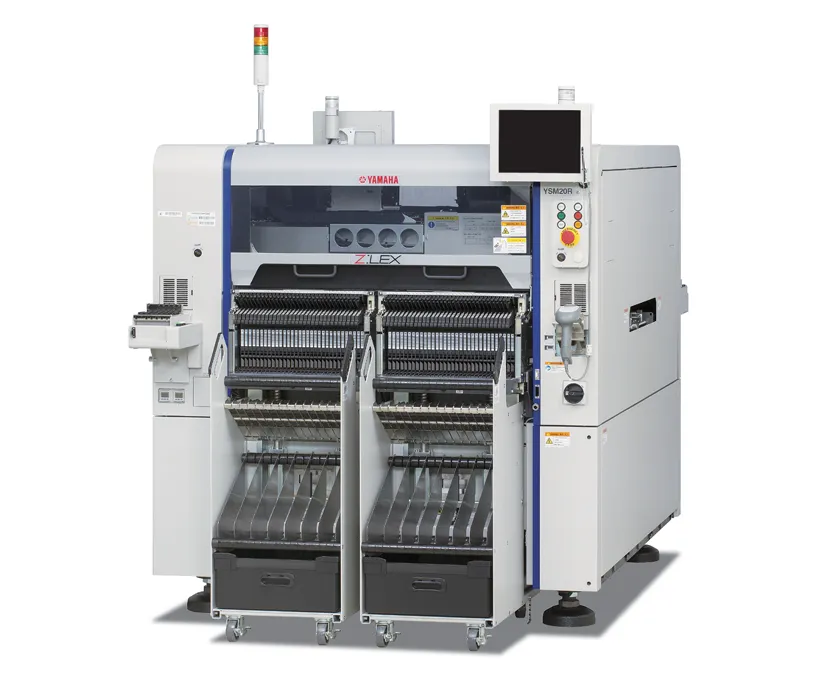 RelatedYamaha YSM20R MounterHigh-speed modular mounter – 95,000 CPH, 140 feeders, 0201 to 55×100mm components.View product →
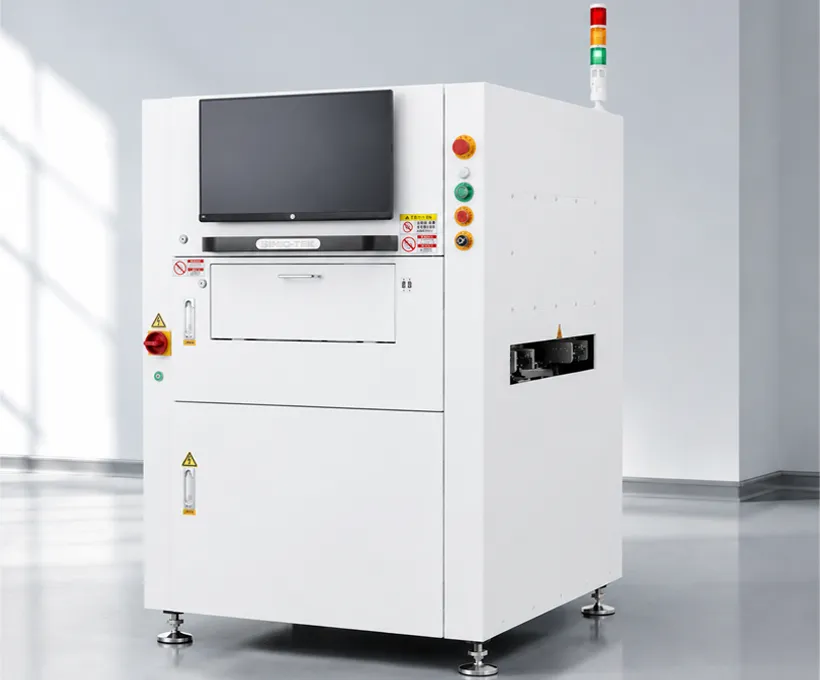 RelatedJHIMS S630 3D SPI3D solder paste inspection – verifies print quality before reflow.View product →
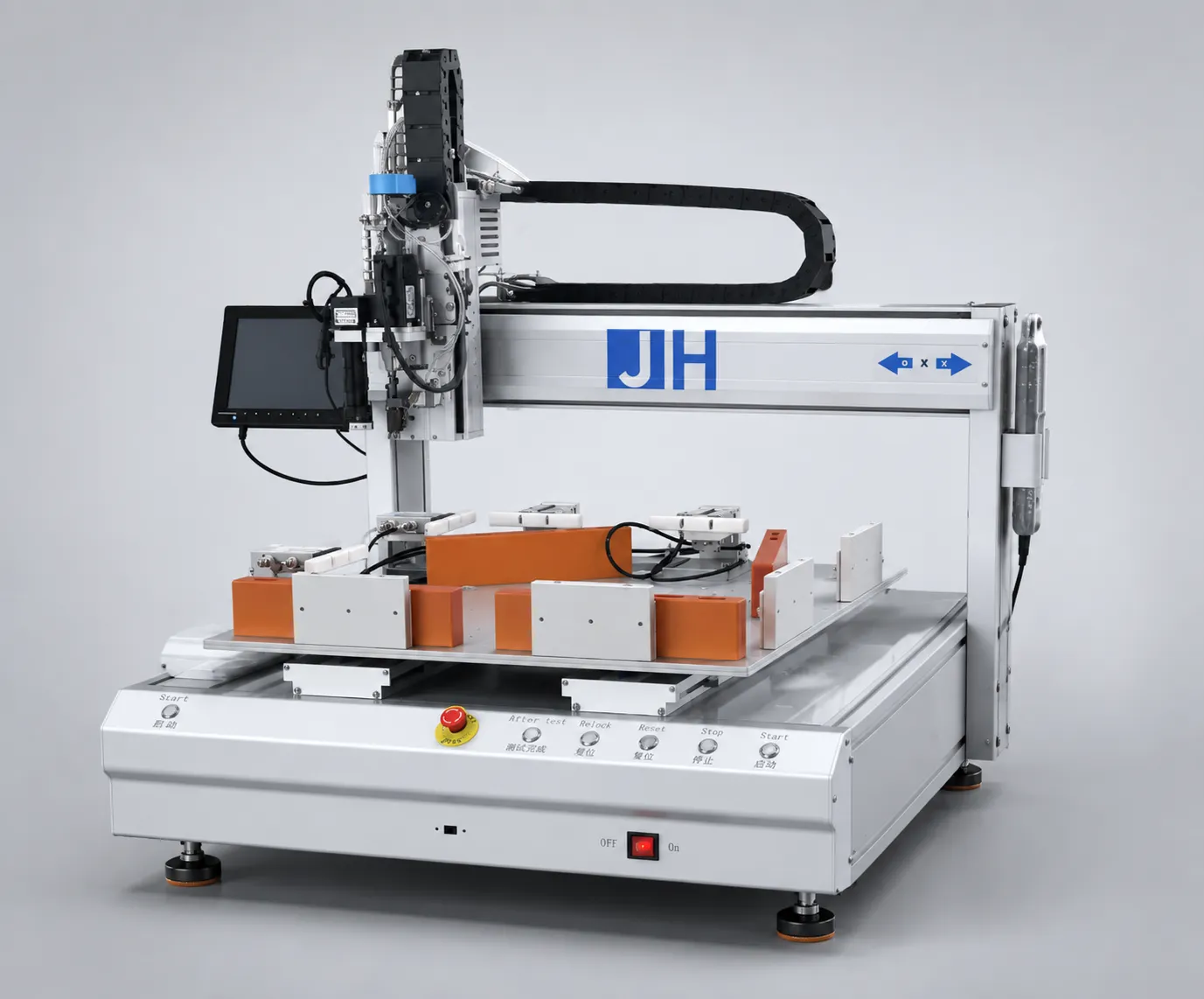 RelatedJHIMS ZM500 Screw MachineAutomated screw tightening and removal for electronics assembly.View product →
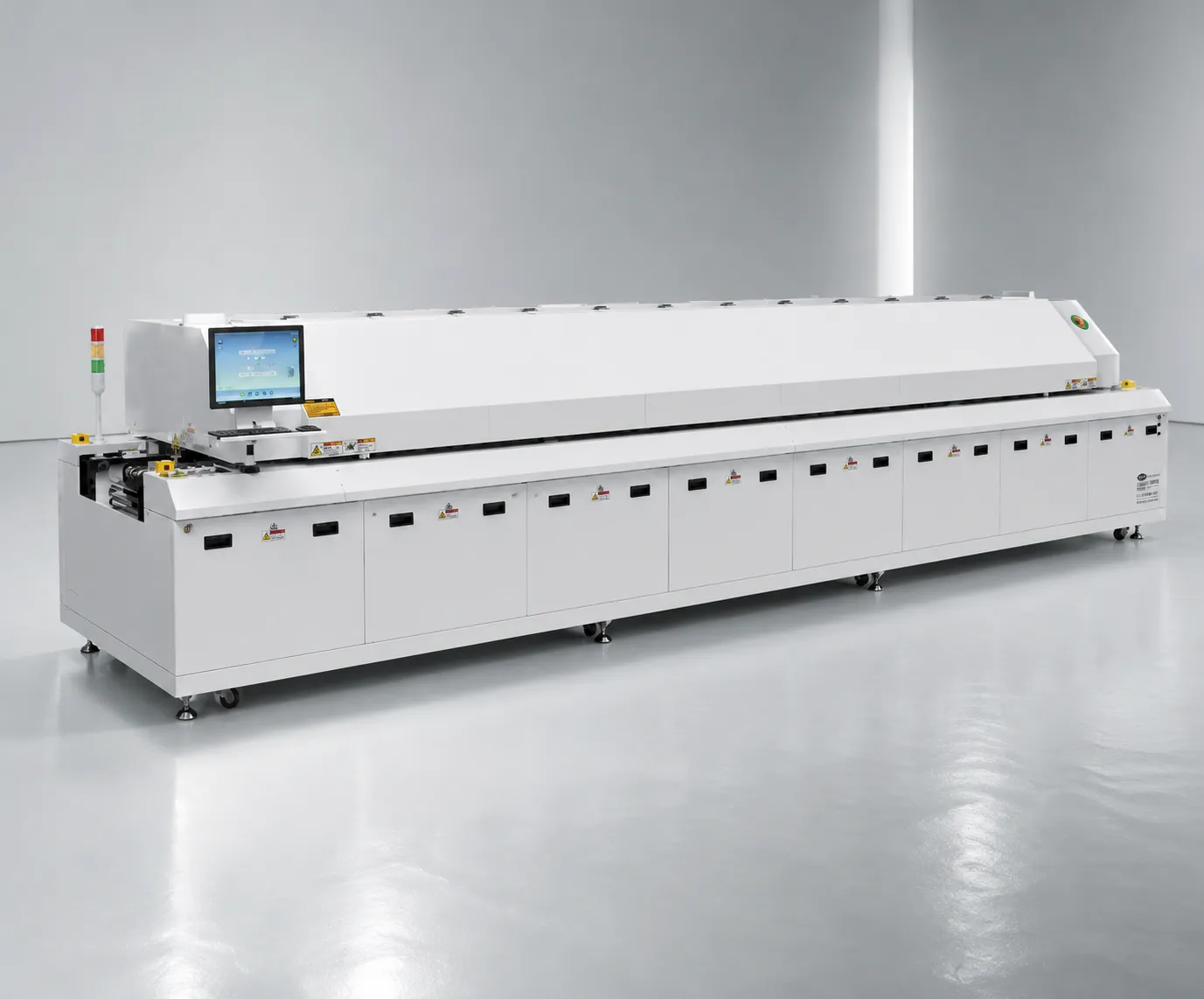 RelatedJHIMS R10 Reflow OvenLead-free hot-air reflow soldering for SMT lines – 20 heating zones, up to 300°C peak.View product →
 Case StudyRussia Lens Feeder CaseLens vibrating feeder automating lens assembly for a Russian LED lighting manufacturer.Read article →
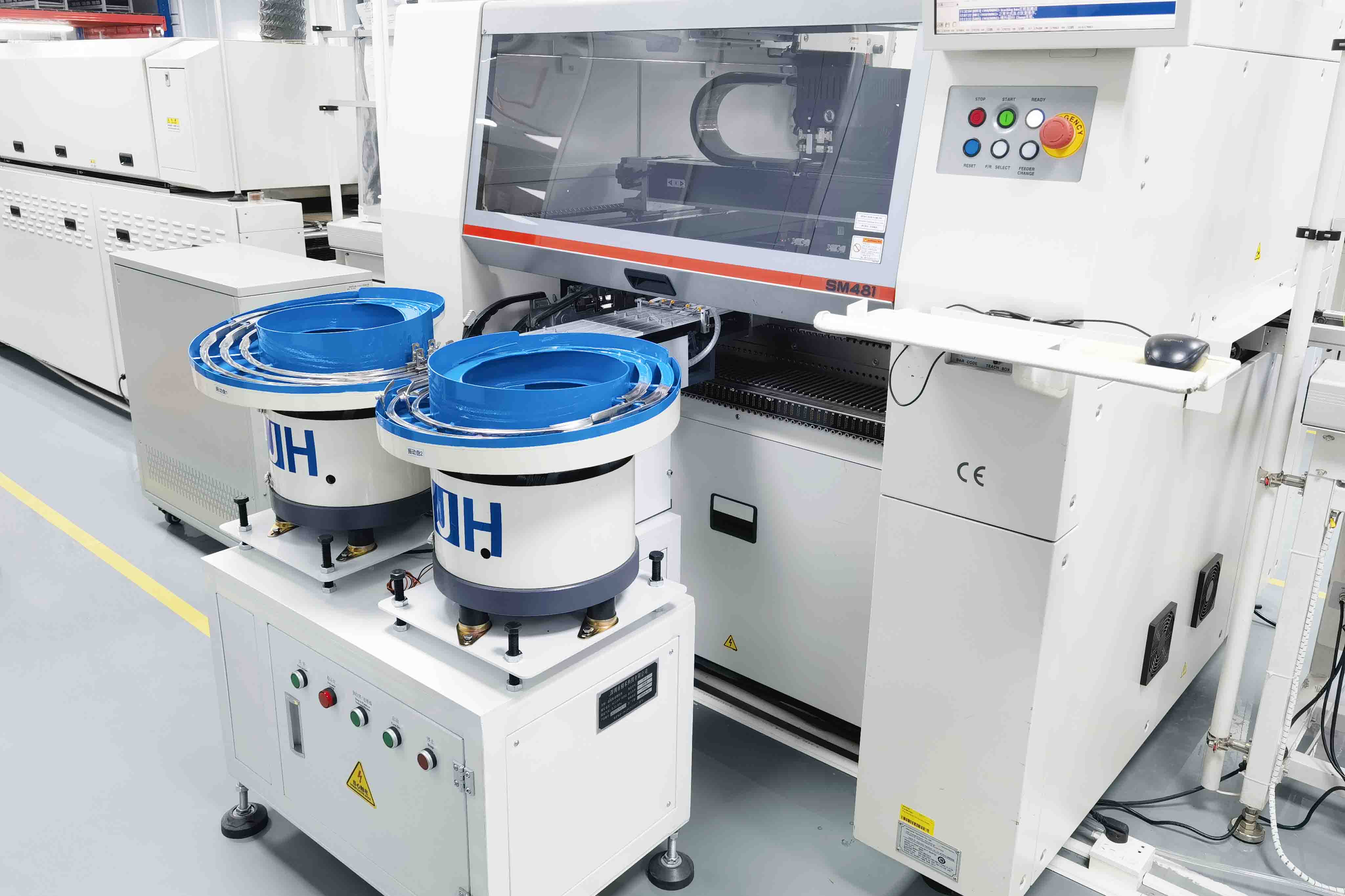 Case StudyHanwha SM481 Dongguan CaseCustom lens feeder for a Dongguan LED manufacturer.Read article →
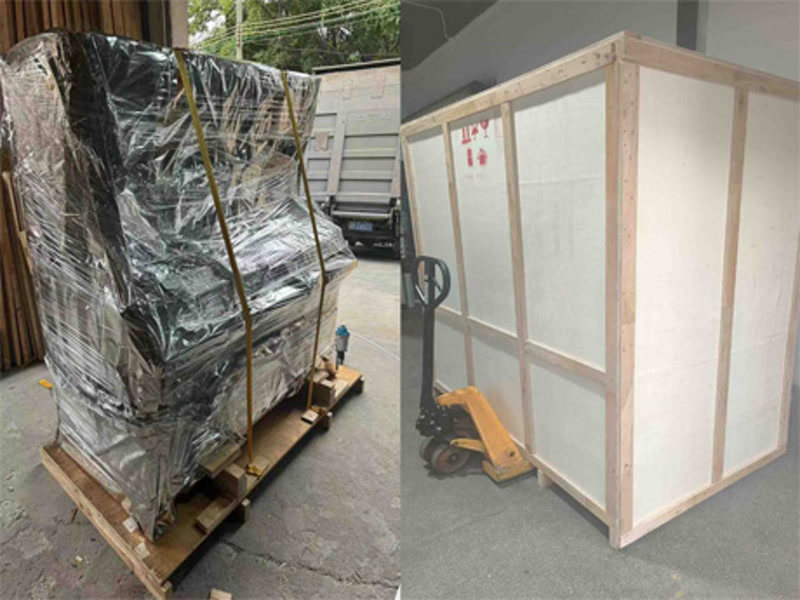 Case StudySaudi Screw Machine Case2P-LXS500 screw tightening automation for a Saudi LED display manufacturer.Read article →
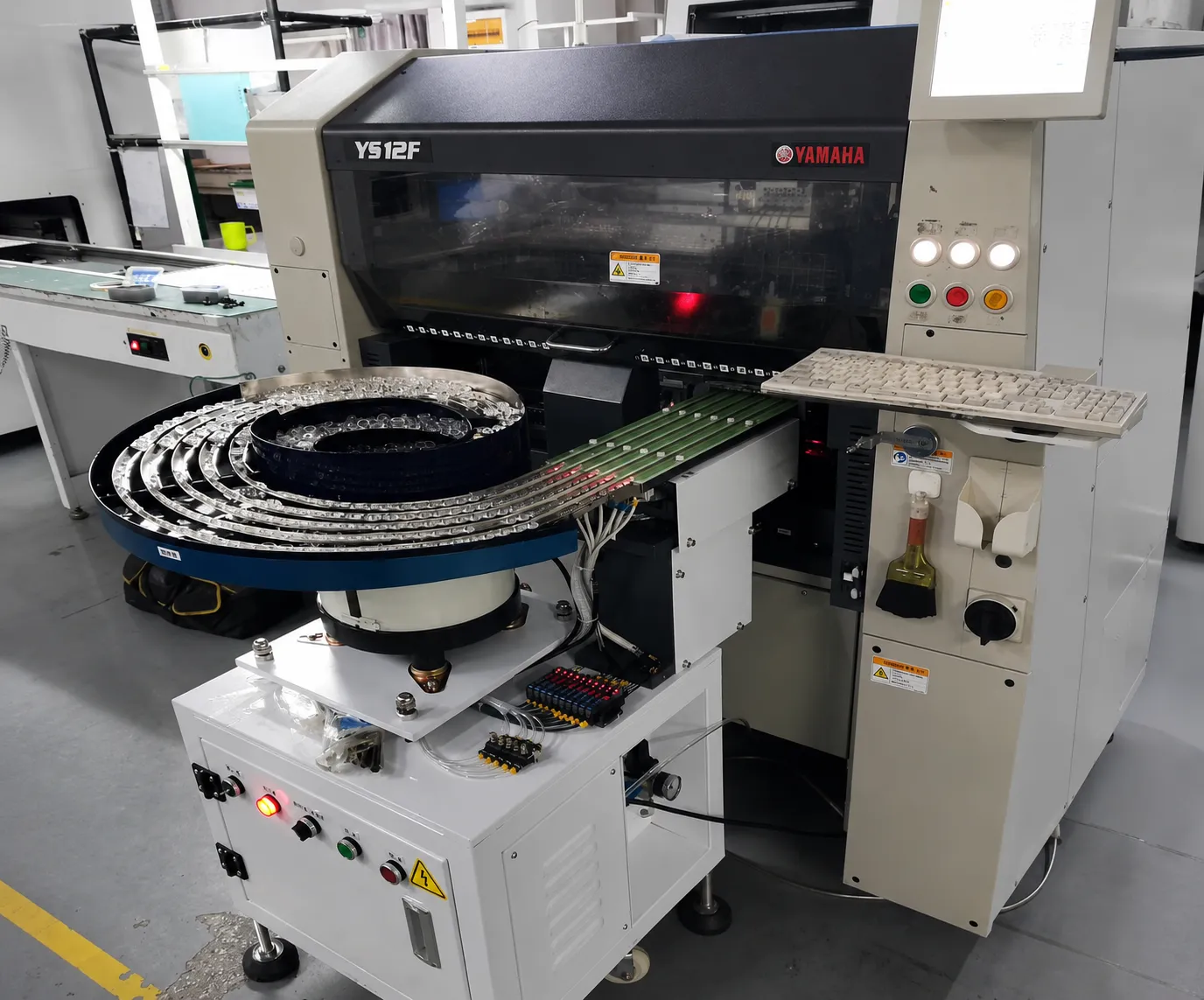 ComparisonSMT Lens Feeder Comparison 2026An objective comparison of technology, component quality, price positioning, and best-fit customer profiles across global brands.Read article →
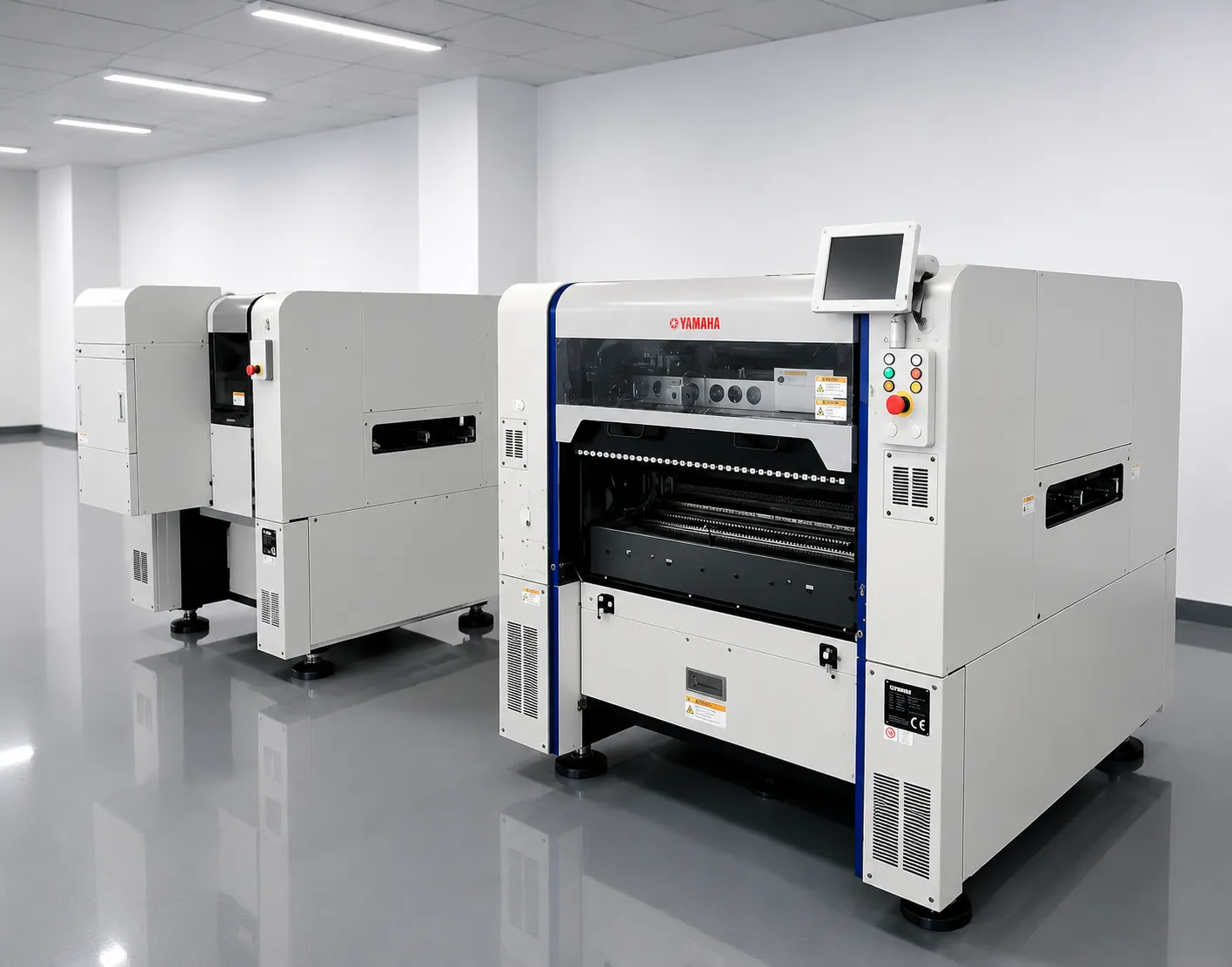 GuideSourcing SMT Equipment from ChinaA risk-managed procurement guide – sourcing, QC and delivery for SMT equipment from China.Read article →
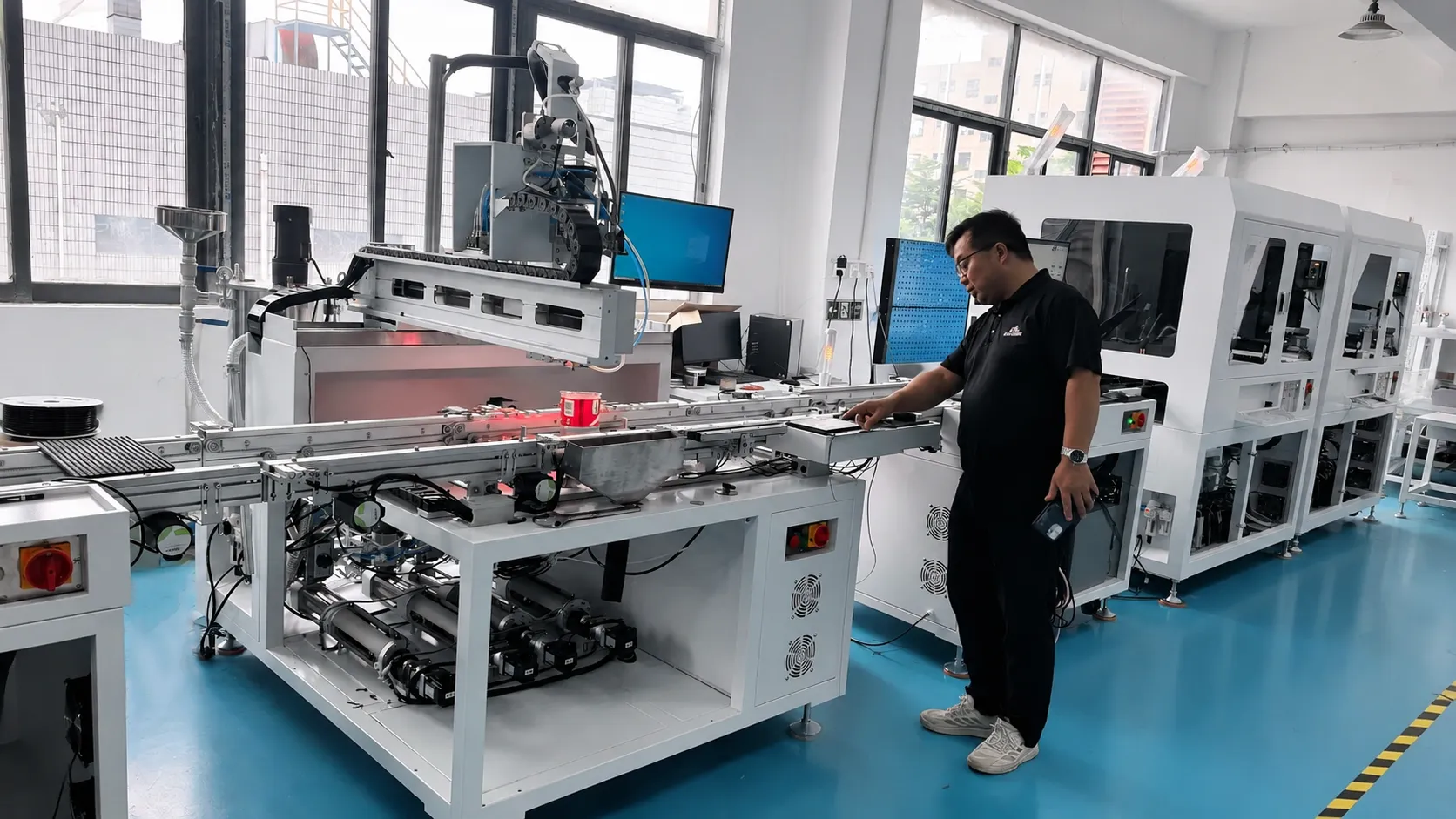 SupportTechnical SupportGlobal after-sales support, remote training, spare parts and service requests.Get support →
Send your lens samples for a free 48-hour SMT lens feeder test — we will validate throughput and jam rate on your line.